
Practice question
Question
Superweeds may arise due to transfer of genes conferring:
Explanation
Superweeds describe weedy populations that have acquired herbicide resistance via gene flow from cultivated crops, making control challenging. When transgenic crop expressing bar gene for glufosinate tolerance or cp4-epsps for glyphosate tolerance cross-pollinates with sexually compatible weed such as Brassica rapa, hybrid offspring inherit resistance allowing survival under herbicide application. Repeated selection in fields sprayed with same herbicide enriches resistant allele frequency, and backcrossing to weed parent restores weediness while retaining transgene. Documented cases include glyphosate-resistant canola volunteers and bentgrass. Resistance to insects does not provide similar advantage because herbivory rarely limits weed growth in cropped fields where competition decisive. Therefore concern about superweeds specifically links to herbicide resistance gene transfer, driving implementation of management practices like crop rotation, herbicide mode action rotation, and containment via chloroplast transformation or male sterility to reduce pollen-mediated gene escape. Population genetics model predicts rapid increase of resistance allele when selection pressure continuous, especially if herbicide applied annually over large area. Volunteer canola plants carrying transgene found outside fields illustrate escape potential. Management includes rotating herbicide modes of action, using multiple herbicide tolerant traits, and deploying crops with male sterility or chloroplast transformation. Understanding herbicide resistance transfer to weeds informs stewardship guidelines
Related blogs
Guides and insights connected to this topic
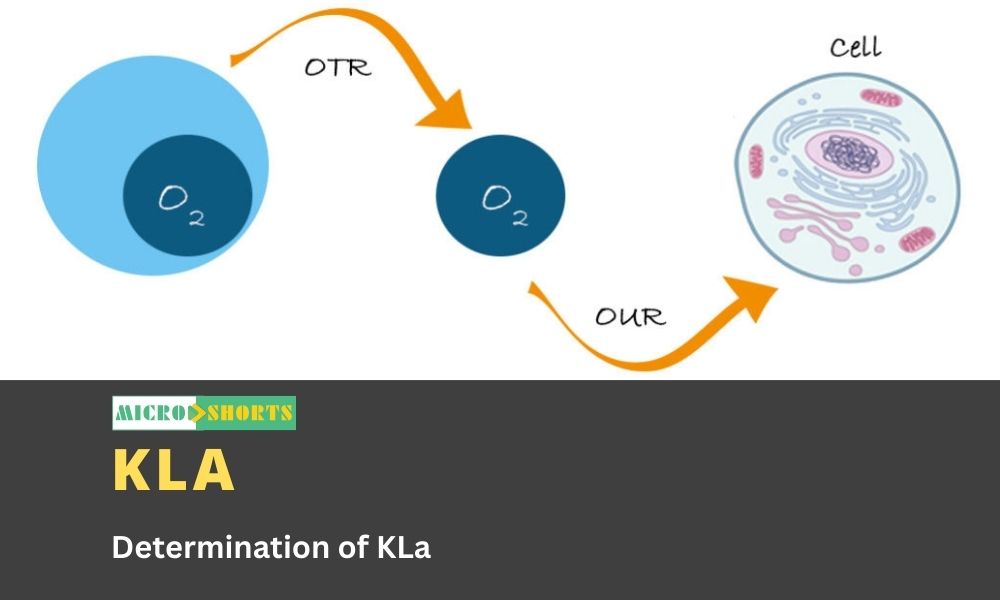
Determination of KLa
IntroductionThe volumetric liquid mass transfer coefficient (KLa) is a useful parameter to characterize the bioreactor's capacity for aerati...
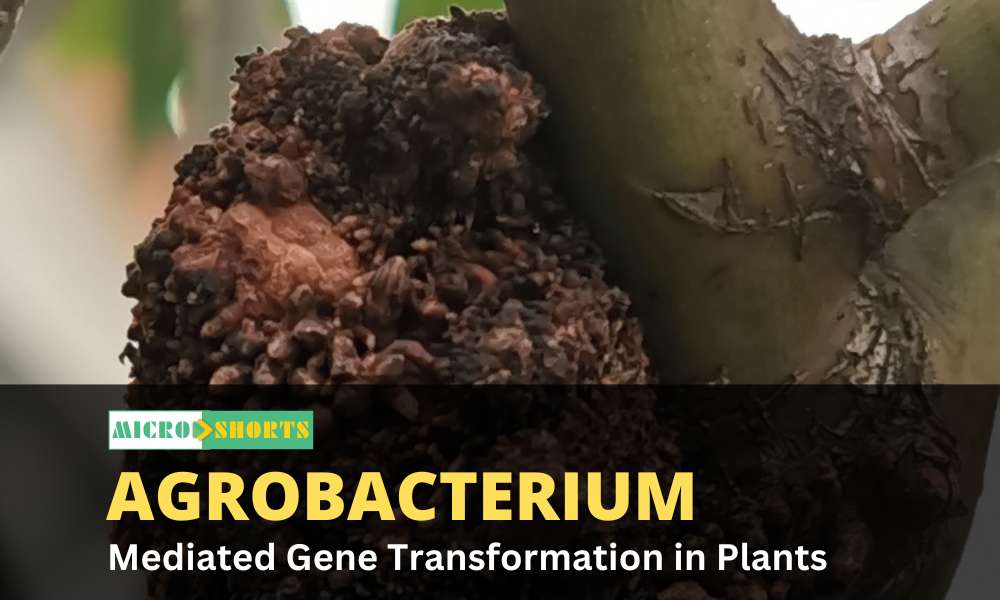
Agrobacterium-Mediated Gene Transfer (Transformation) in Plants
Agrobacterium is a phytopathogen that infects plants through wound sites, causing crown gall disease, and is one of the most popular pl...
Experiment 16: Flash Cards / Models / Specimens Showing Examples of Homologous and Analogous Organs
AIM To study homology and analogy with the help of models/charts of animals and models/charts/specimens of plants. PRINCIPLE Homologous organs are functionally dissimilar but anatomically or structurally similar. Different modes of life have modified the organs to enable survival...

Discussion
Comments
Please log in to join the discussion.
Login to commentNo comments yet. Be the first to start the discussion.