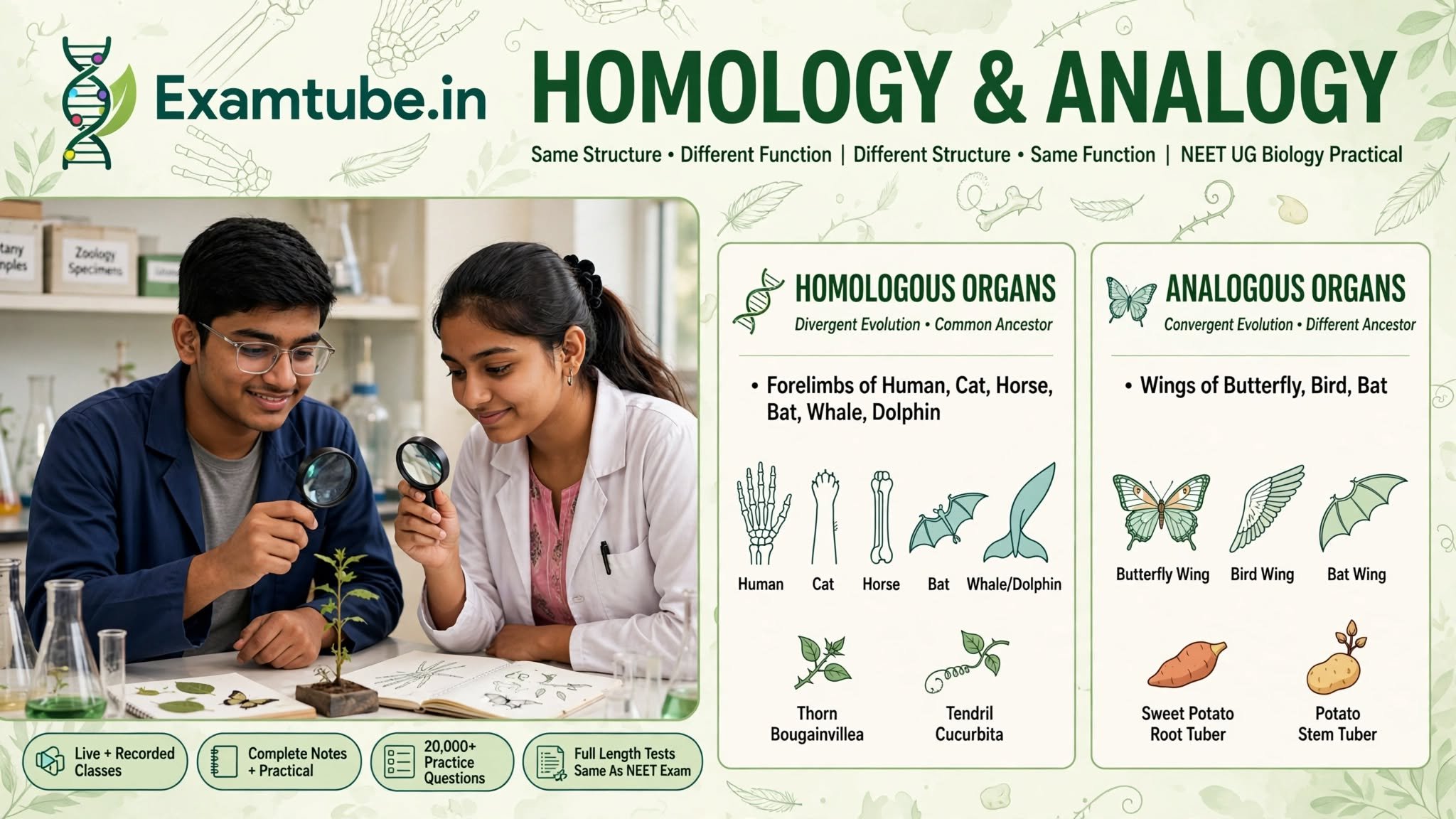
Experiment 16: Flash Cards / Models / Specimens Showing Examples of Homologous and Analogous Organs
Study homologous and analogous organs using flash cards, models and specimens of animal forelimbs and plant parts. Includes requirements, pr...
Practical preparation guides from mentors and educators.
Study homologous and analogous organs using flash cards, models and specimens of animal forelimbs and plant parts. Includes requirements, pr...
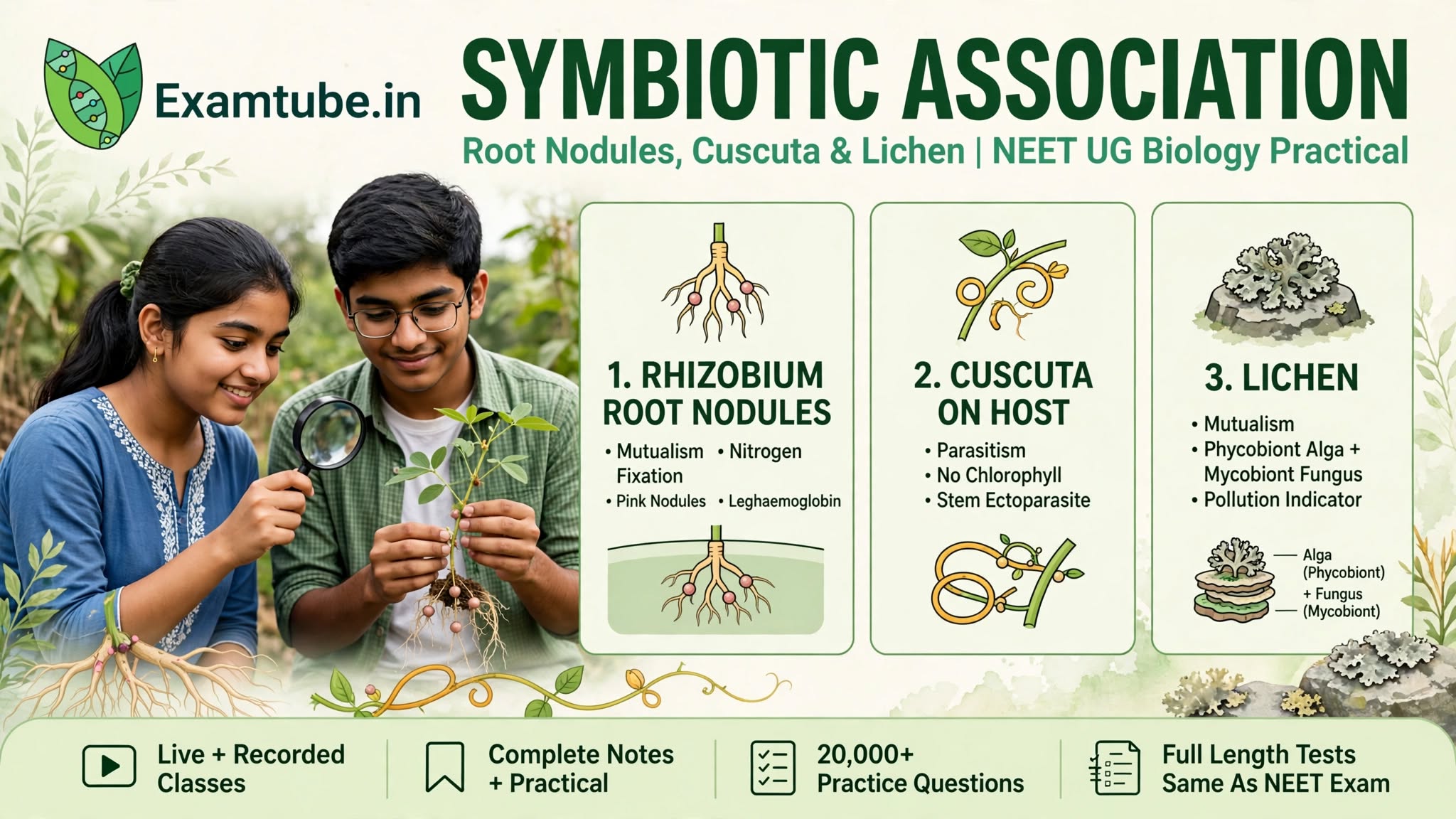
Observe mutualism in legume root nodules, lichen symbiosis, and parasitism by Cuscuta on host plants using models and specimens.
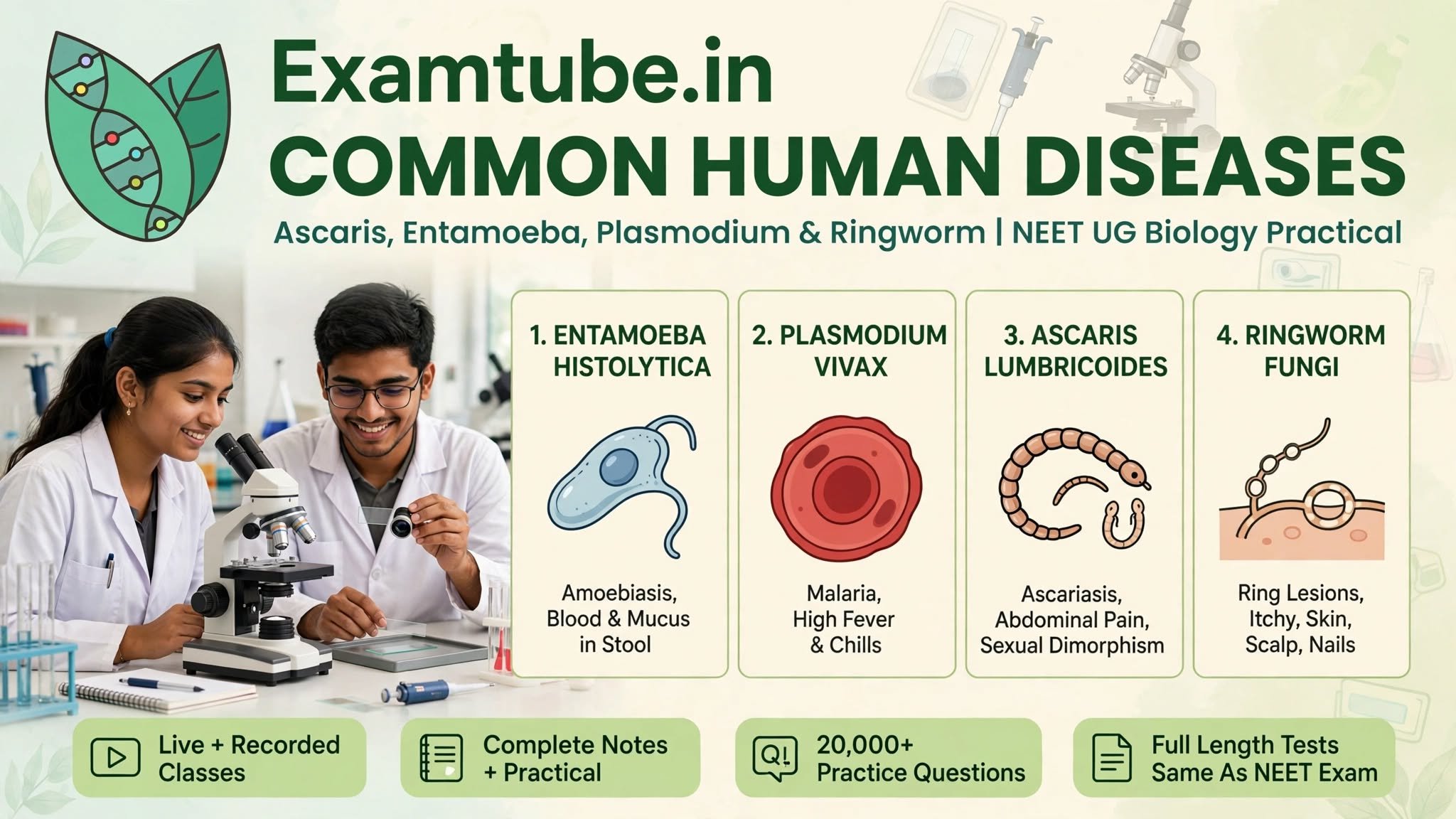
Identify common human pathogens—Ascaris, Entamoeba, Plasmodium, and ringworm—using permanent slides and specimens under a microscope.
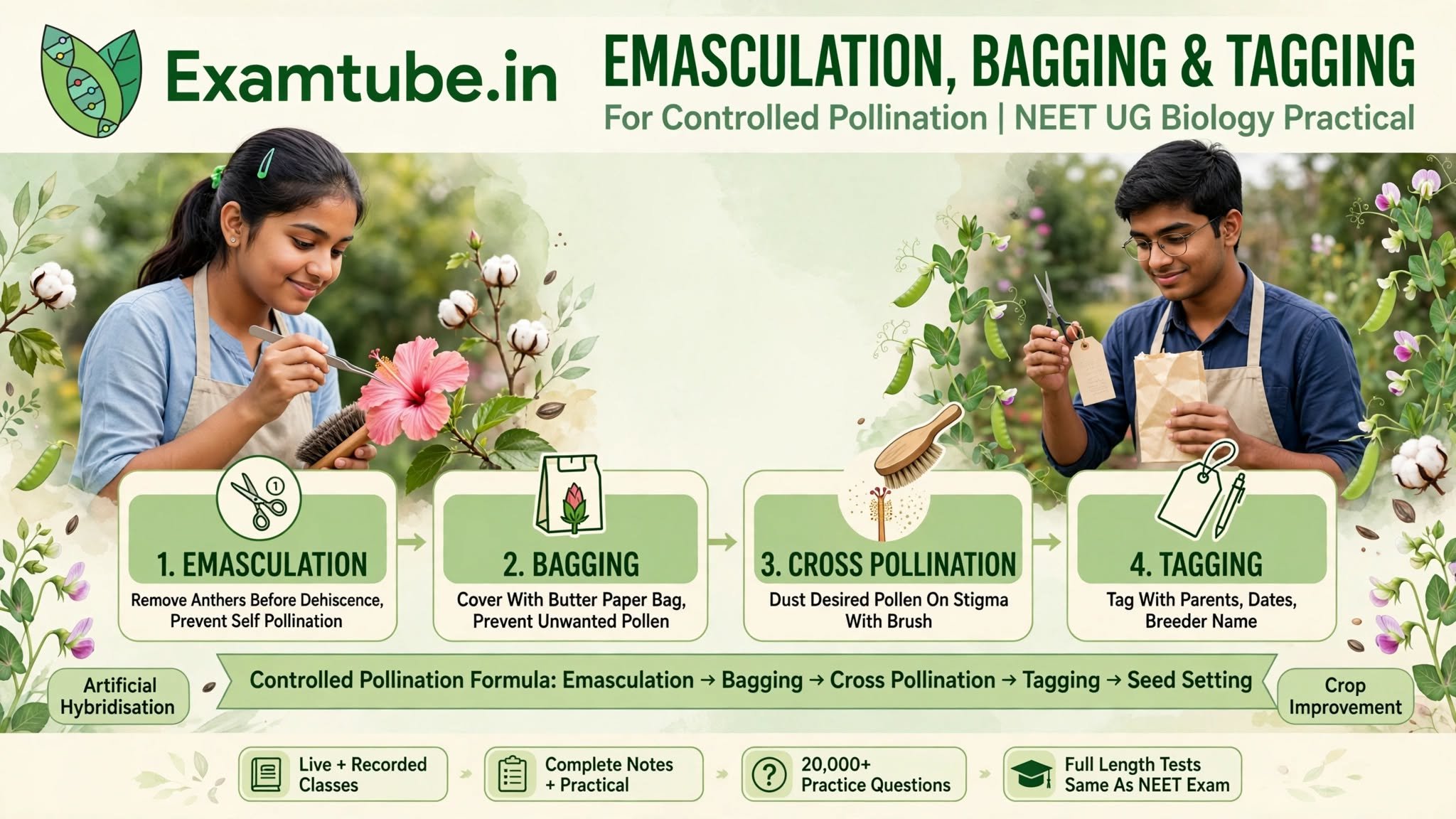
Learn how to perform emasculation, bagging and tagging for controlled pollination, essential steps in plant breeding and hybridisation.
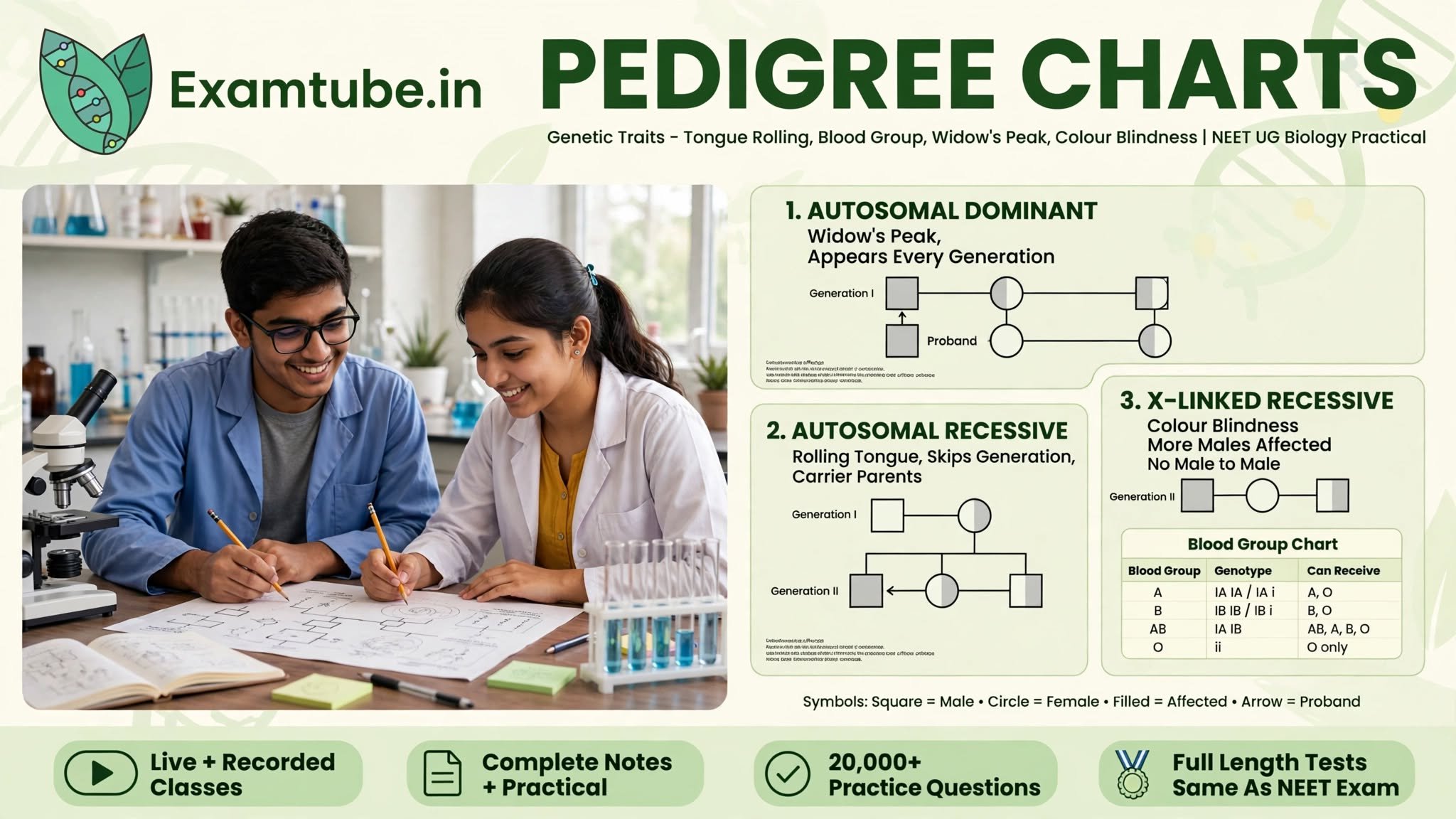
Explore prepared pedigree charts for rolling of tongue, blood groups, widow's peak and colour blindness to understand inheritance patterns.
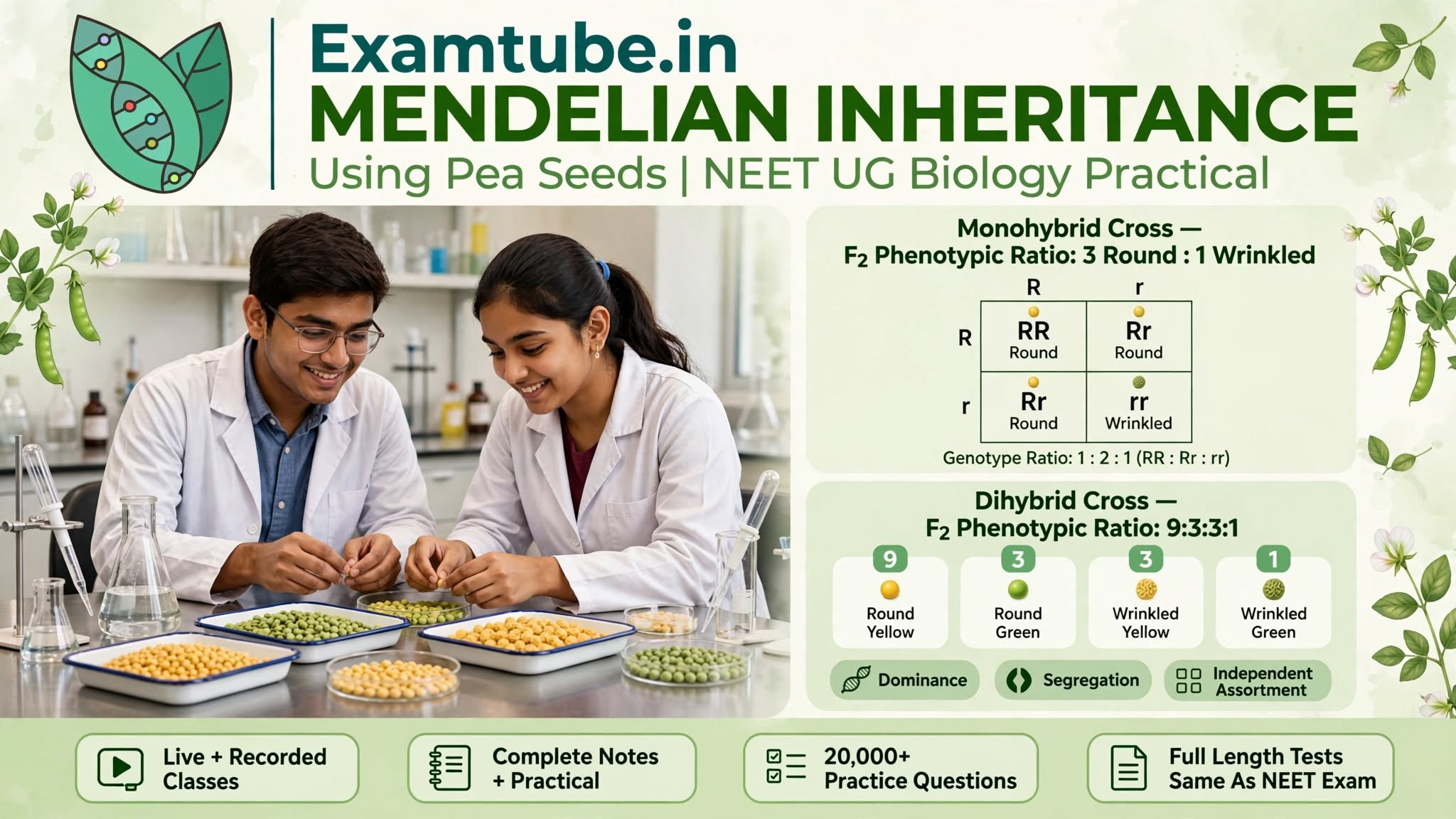
Use pea seeds of different colours and shapes to demonstrate monohybrid and dihybrid Mendelian ratios in a classroom experiment.
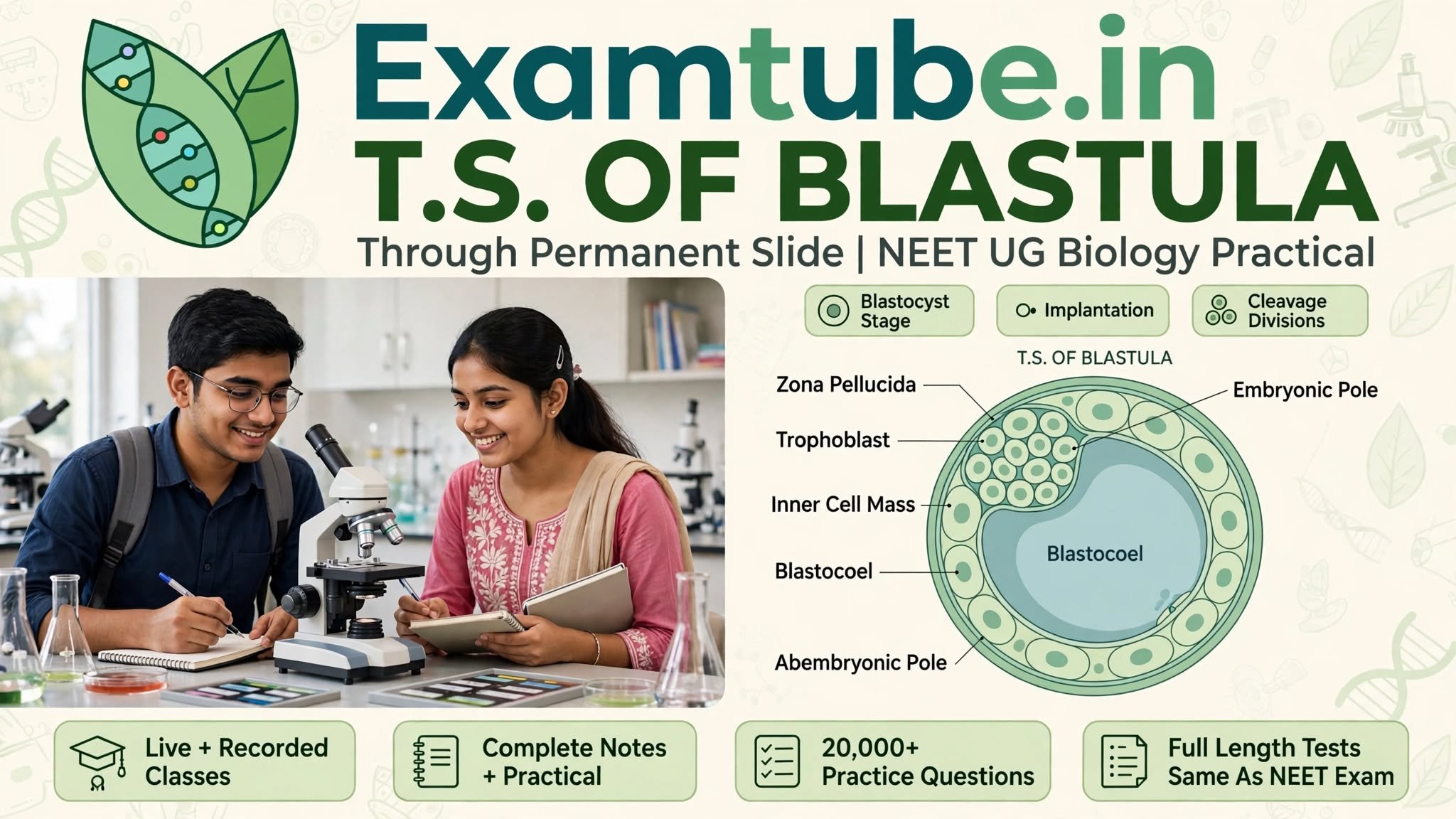
Examine a permanent slide of blastula to identify trophoblast, inner cell mass and blastocoel under 10× magnification.
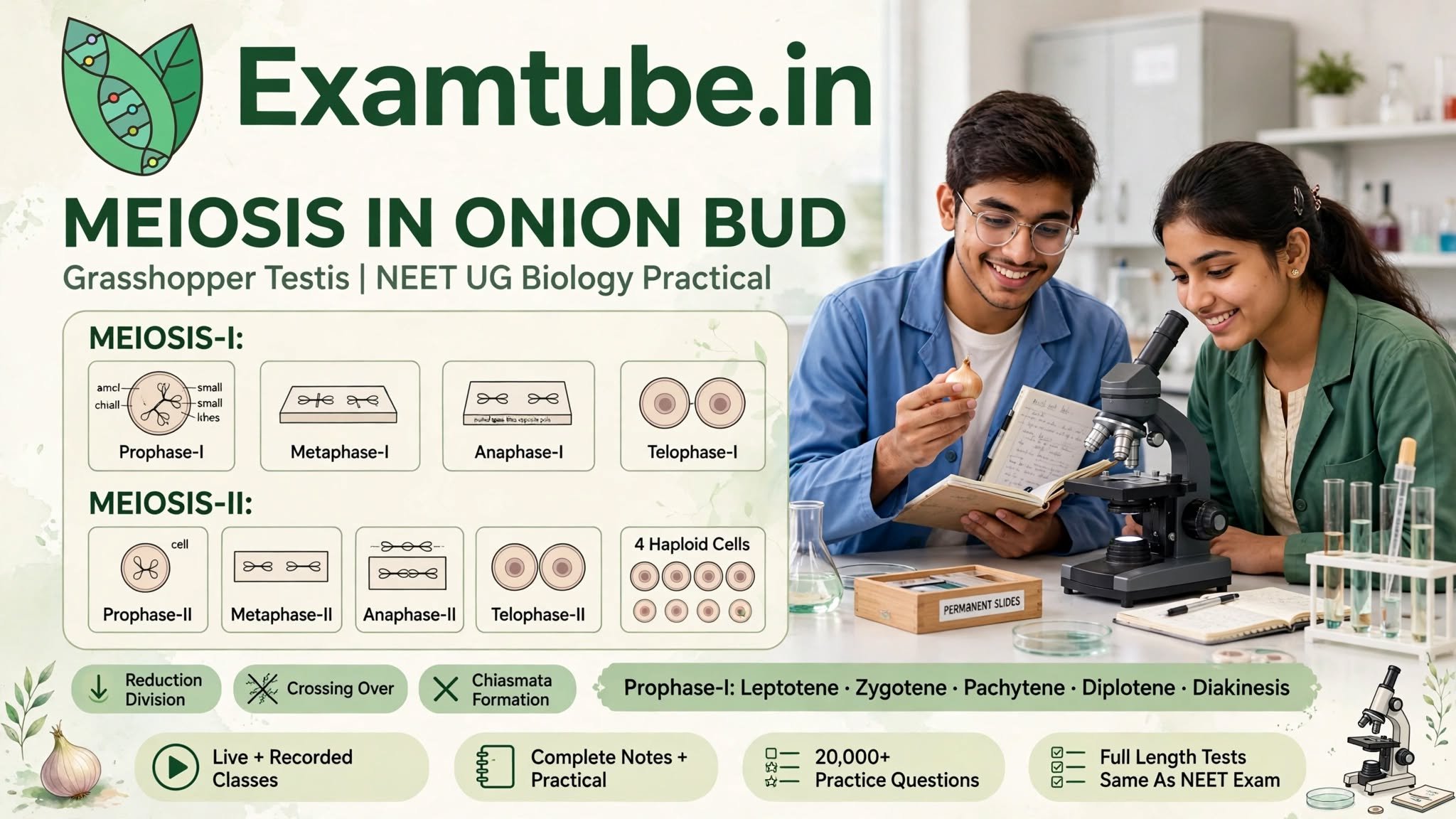
Study meiotic phases in onion floral buds or grasshopper testis using permanent slides and a compound microscope.
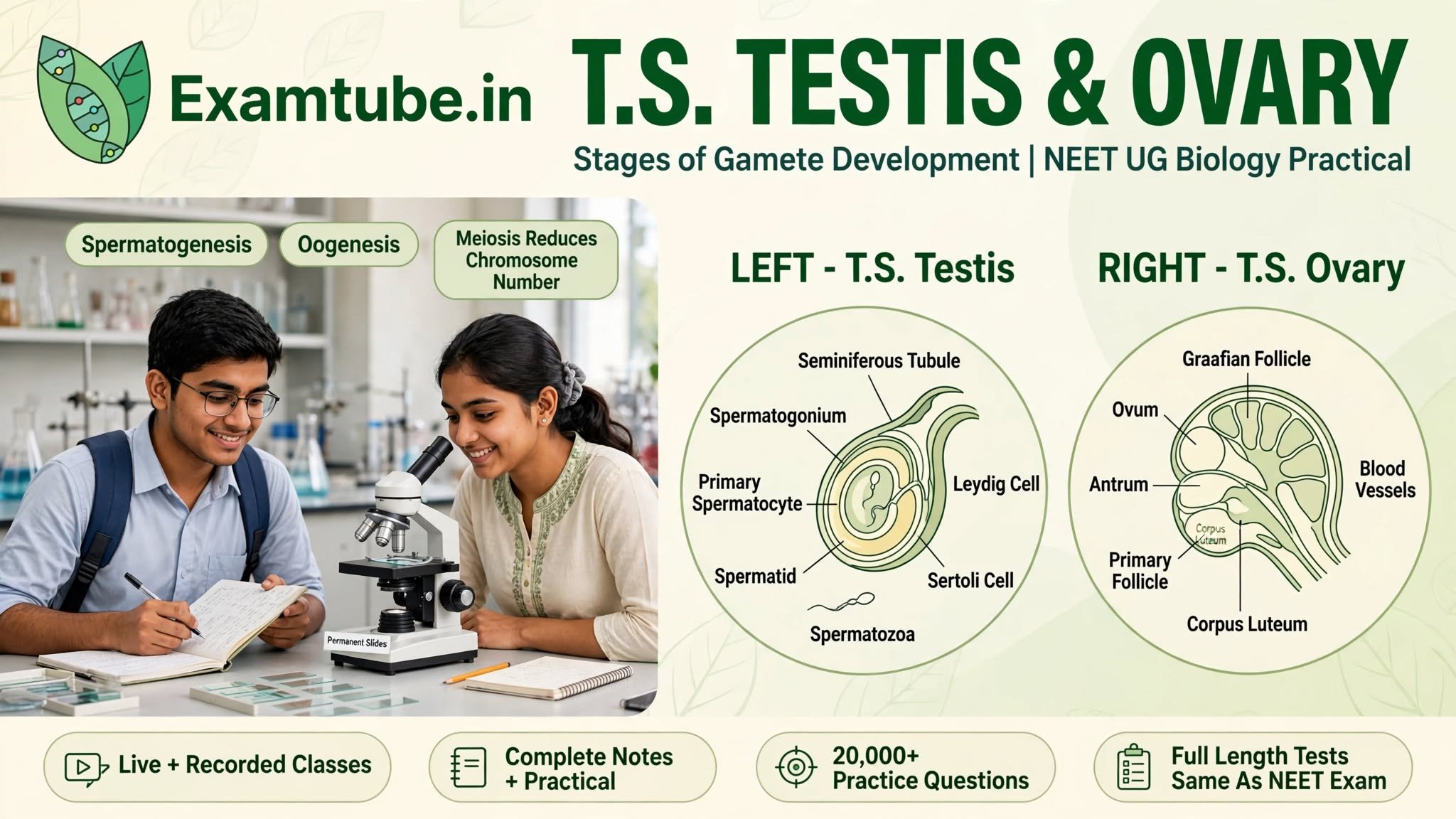
Observe permanent slides of testis and ovary to recognize spermatogenesis and oogenesis stages with a light microscope.
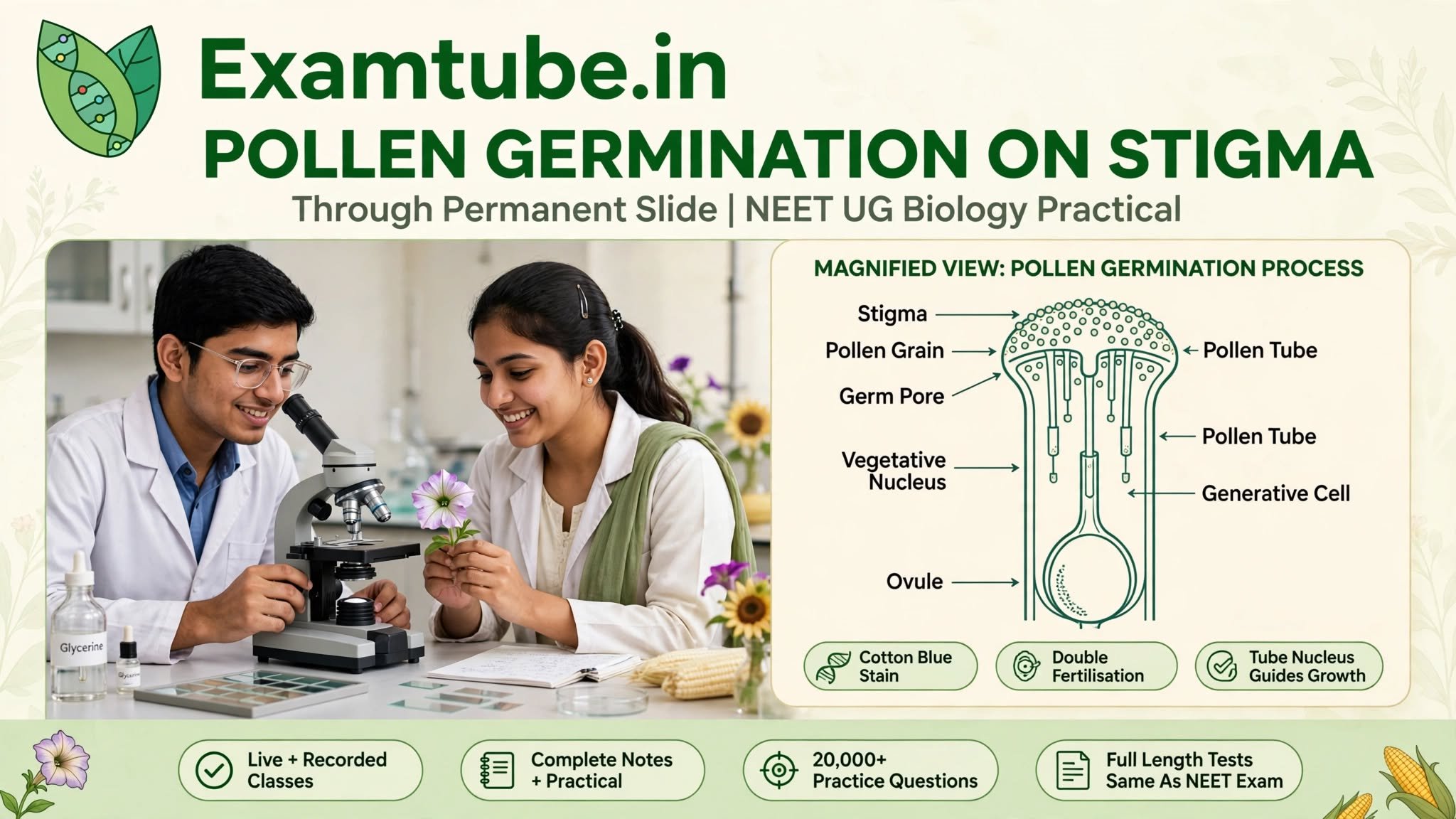
Learn how to observe pollen germination on stigma using a permanent slide, microscope setup, and cotton‑blue stain.
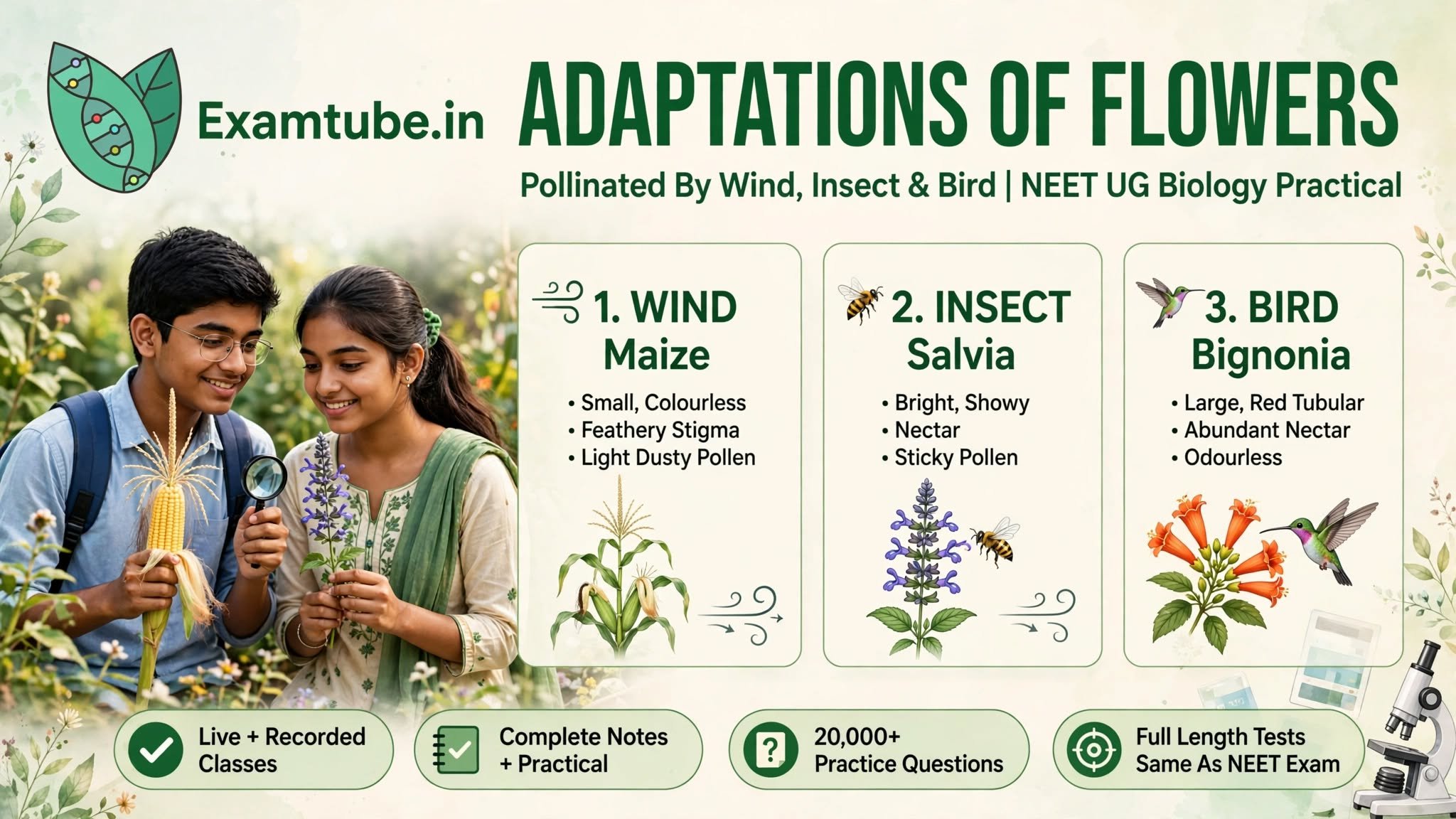
Examine morphological traits of wind‑, insect‑ and bird‑pollinated flowers to identify adaptations that aid pollen transfer.
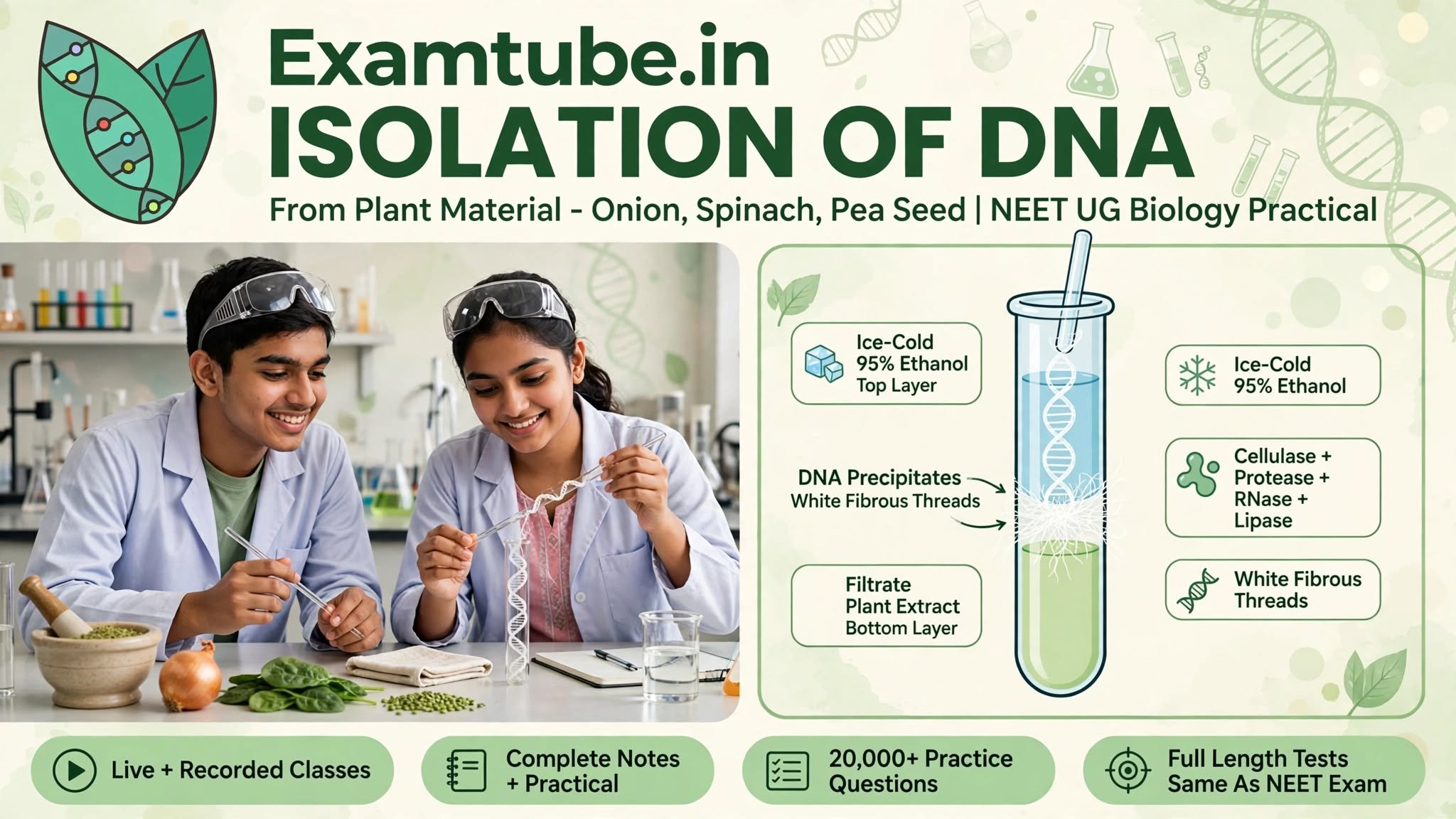
Extract DNA from pea seeds, spinach or onion using enzymes and cold ethanol, demonstrating a simple school‑lab protocol.

Add the app to your home screen for faster access.