
Practice question
Question
Cells are passaged optimally at confluency of:
Explanation
Subculturing or passaging maintains exponential growth, prevents phenotypic drift associated with contact inhibition, nutrient exhaustion, waste accumulation and extracellular matrix overproduction. For adherent animal cells optimal confluency for passage ranges 70 to 80 percent, stage where monolayer covers majority of flask surface but retains intercellular gaps, active mitosis indicated by refractile rounded mitotic figures, high viability exceeding 95 percent via trypan blue exclusion, and low expression of cyclin-dependent kinase inhibitors p27KIP1 and p21 that accumulate in quiescence. At this point cells remain in late logarithmic phase, signaling via MAPK and PI3K remains proliferative. Earlier splitting at 30 to 40 percent wastes reagents, medium and triggers reattachment stress prolonging lag. Waiting until 100 percent confluence induces cell cycle arrest in G0, activation of Hippo pathway phosphorylation of YAP causing nuclear exclusion, differentiation in chondrocytes, keratinocytes or apoptosis due to mechanical crowding and lactate toxicity. Trypsinization at 70 to 80 percent yields efficient detachment with limited clumping and allows accurate seeding density calculation via hemocytometer or automated counters, preserving karyotypic stability across passages. Suspension cells monitored by density rather than confluency follow analogous mid-log rule of 0.5 to 2 times 10^6 cells per mL.
Related blogs
Guides and insights connected to this topic
Experiment 9: Study of Meiosis in Onion Bud Cells or Grasshopper Testis Using Permanent Slides
AIM To study the meiosis in onion bud or grasshopper testis using permanent slides. PRINCIPLE Meiosis is reduction division that reduces chromosome number by half and produces four haploid gametes from a diploid parent cell. It consists of two successive divisions, Meiosis-I and...
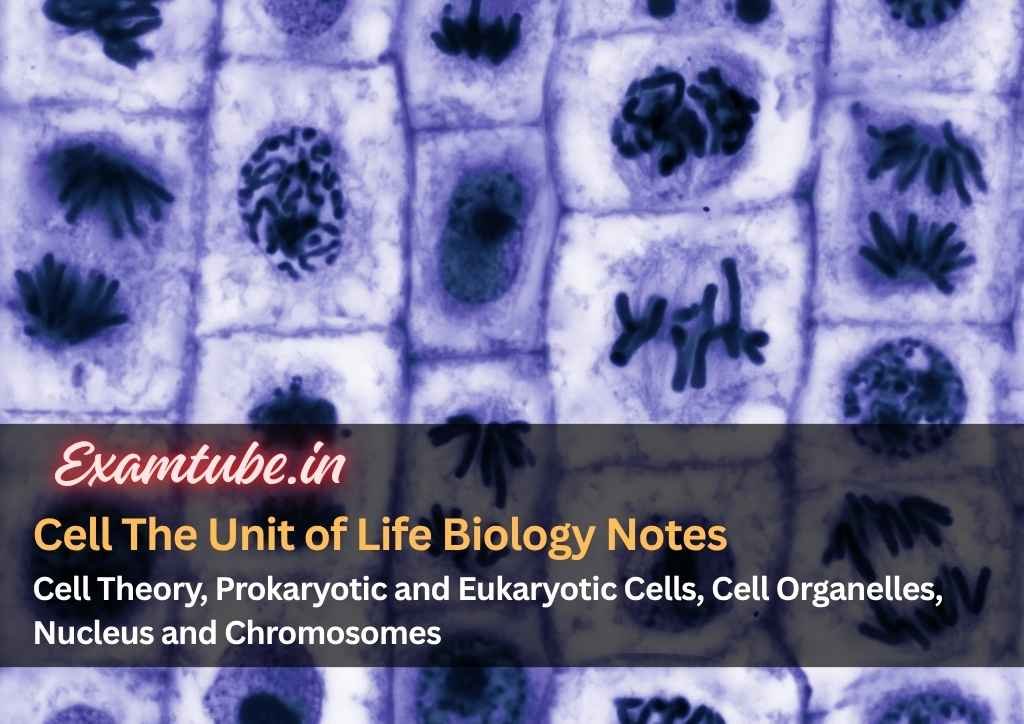
Cell The Unit of Life Biology Notes - Cell Theory, Prokaryotic and Eukaryotic Cells, Cell Organelles, Nucleus and Chromosomes
Notes on Cell: The Unit of Life covering cell theory, prokaryotic and eukaryotic cells, cell organelles, the nucleus and chromosomes.
Plasmolysis: Definition, Types, Forms, Examples and Significance
Learn what plasmolysis is, how it works in plant cells, and why it matters in biology with clear definitions and examples.

Discussion
Comments
Please log in to join the discussion.
Login to commentNo comments yet. Be the first to start the discussion.