
Practice question
Question
Which process ensures proper protein folding in the ER?
Explanation
Achieving native conformation in ER lumen depends on integrated network of ATP-driven chaperones, lectin chaperones, oxidoreductases and peptidyl-prolyl isomerases operating in millimolar calcium, oxidizing environment with high protein concentration. BiP/HSPA5 abundant Hsp70 cycles through ATP-dependent binding to hydrophobic patches preventing aggregation and regulating UPR sensors IRE1, PERK, ATF6 via sequestration. Lectin chaperones calnexin type I membrane protein and calreticulin soluble paralog monitor monoglucosylated N-glycans generated by glucosidase trimming, retaining incompletely folded proteins and recruiting ERp57 thioredoxin to catalyze disulfide formation, while PDI family members and Ero1 alpha generate disulfides using molecular oxygen producing hydrogen peroxide detoxified by peroxiredoxin IV. Cyclophilins and FKBP family accelerate cis-trans proline isomerization otherwise rate-limiting. Quality control factor UGGT acts as folding sensor reglucosylating non-native proteins for another cycle. When load exceeds capacity, unfolded protein response transcriptionally expands chaperone pool, ER volume and ERAD machinery via XBP1, ATF4 and ATF6 programs. Integration ensures high fidelity secretory proteome maturation necessary for cell surface receptor function and extracellular matrix assembly and organismal development and survival.
Related blogs
Guides and insights connected to this topic
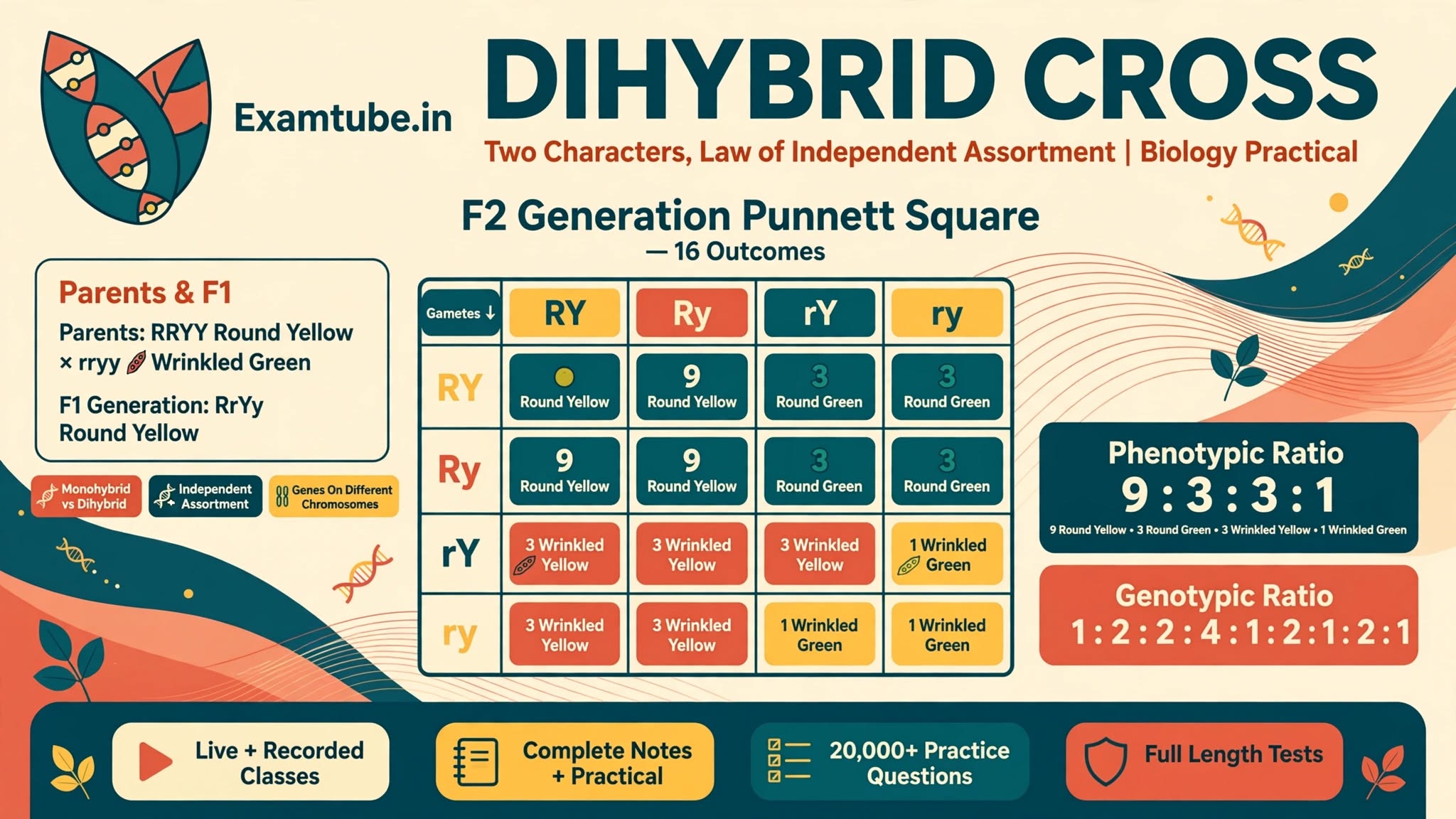
Dihybrid Cross - Definition, Steps, Process, Punnett Square and Examples in Pea Plants and Drosophila
A guide to dihybrid crosses, including setup steps, Punnett square analysis, phenotypic ratios, and examples in peas and Drosophila.
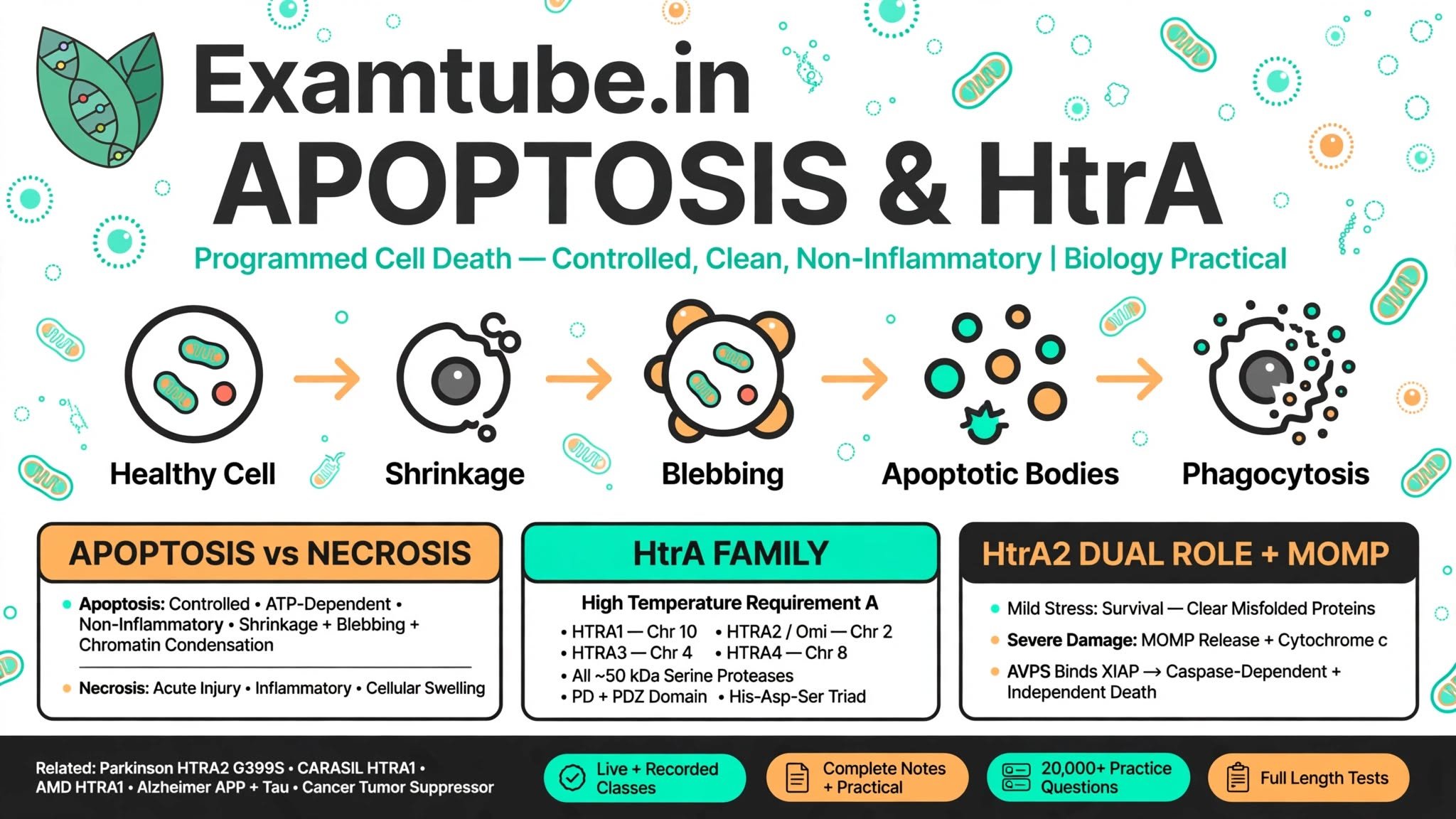
HtrA Gene and Protein - Structure, Dual Functions, Apoptosis Mechanism and Disease | Pointwise Notes with Maroon Highlights
HtrA proteins are serine proteases with PDZ domains that regulate mitochondrial quality control and trigger apoptosis. Human members HTRA1‑4...
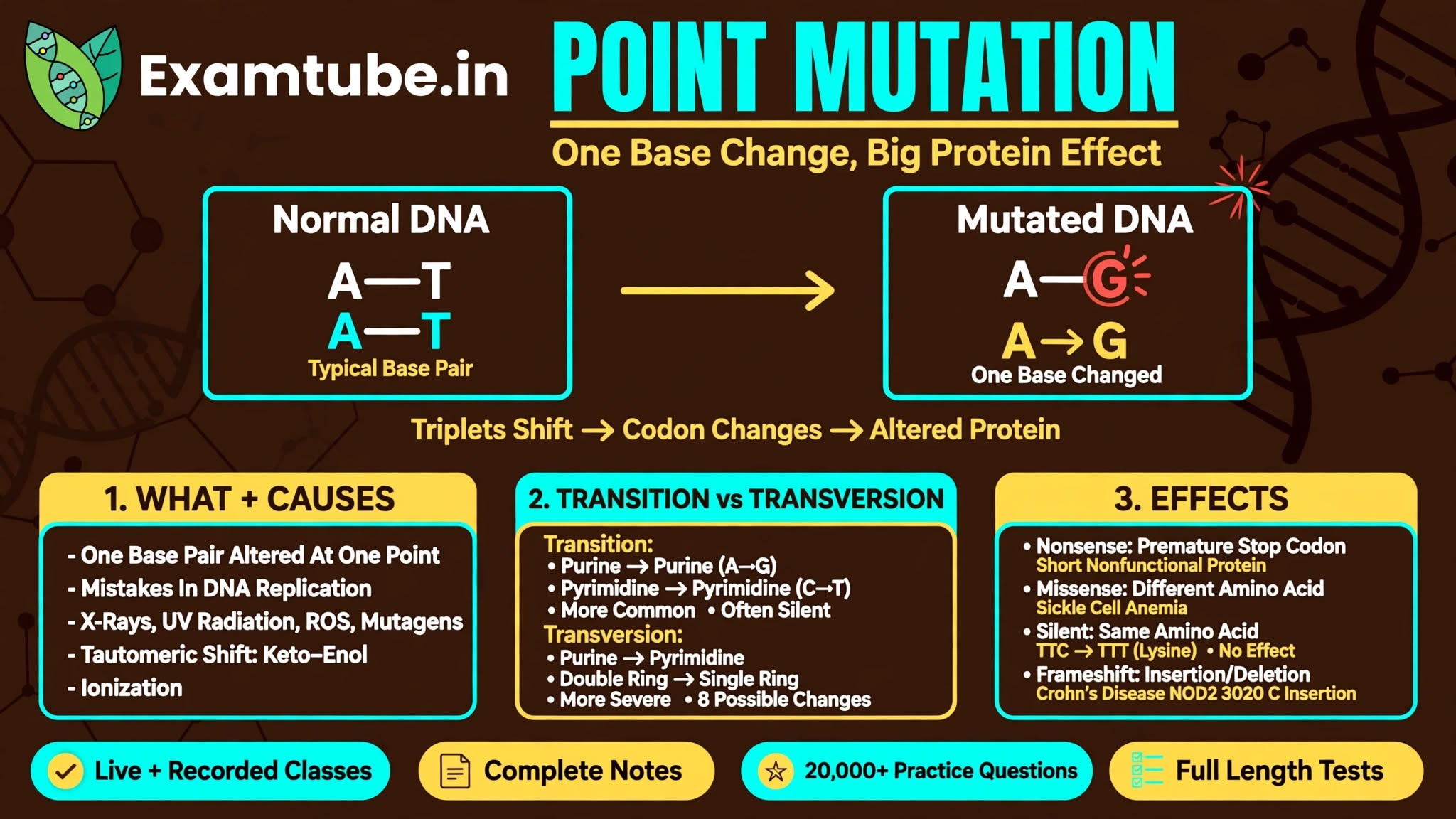
Point Mutation: Causes, Mechanism, Types, Examples and Applications in Genetics
Explore point mutations, how they arise during DNA replication or from radiation, their types, effects on proteins, and uses in genetics res...

Discussion
Comments
Please log in to join the discussion.
Login to commentNo comments yet. Be the first to start the discussion.