
Practice question
Question
Which of the following stabilizes the plasma membrane by modulating its fluidity?
Explanation
Modulation membrane order cholesterol textbook example fluidity homeostasis buffering mechanism dual action concentration dependent. Cholesterol inserts three beta hydroxyl near phospholipid ester carbonyl forming hydrogen bond rigid tetracycle parallel upper ten carbons acyl chains restricting trans gauche isomerization high temperatures decreasing lateral diffusion coefficient from one to zero point five micrometer squared per second and passive permeability small solutes two to three fold measured calcein leakage assays. Low temperatures cholesterol disrupts all trans crystalline lattice introducing kinks increasing free volume preventing gel phase quantified decrease order parameter S zero point eight to zero point five ESR spin label DPH anisotropy experiments broadening DSC transition. Net effect broadened phase transition abolishing sharp DSC peak buffering fluidity optimal Na K ATPase receptor function signaling. Glycoproteins mediate adhesion migration immunity, phosphatidylinositol transiently phosphorylated signaling but bulk fluidity regulated sterol, integral proteins immobilize annular lipids via picket fence but not buffer globally. Understanding cholesterol stabilization explains raft liquid ordered existence adaptation temperature dietary changes statin therapy impacts membrane order atherosclerosis pathology relevant physiology pharmacology questions exams and membrane protein function regulation.
Related blogs
Guides and insights connected to this topic
Mucous Membrane (Mucosa): Structure, Locations, Functions and Disorders
Learn about the structure, locations, and functions of mucous membranes. Discover common disorders and how they protect the body.
Animal Cell Structure, Diagram and Organelles – Definition, Types, Functions
Learn what defines an animal cell, its organelles, and how they differ from plant cells. Includes diagrams and clear explanations of cell structure and functions.
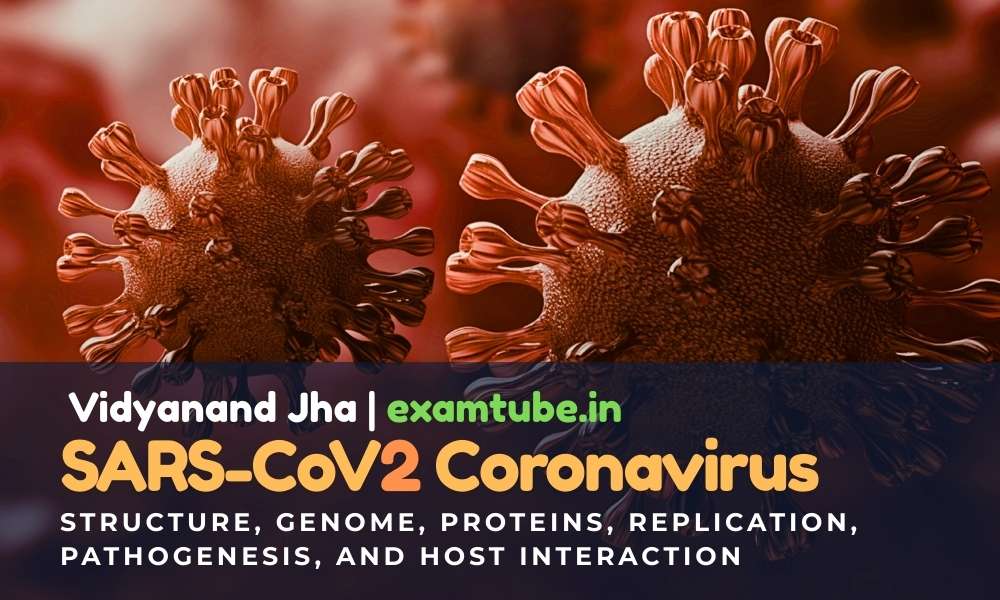
SARS-CoV-2 Coronavirus: Structure, Genome, Proteins, Replication, Pathogenesis, and Host Interaction
Coronavirus Overview Coronaviruses (CoVs) are enveloped viruses (surrounded by a lipid membrane derived from host cells), belonging to the s...
Discussion
Comments
Please log in to join the discussion.
Login to commentNo comments yet. Be the first to start the discussion.