
Practice question
Question
Which of the following organisms has a tetraether monolayer membrane?
Explanation
Among prokaryotes, membrane-spanning tetraether lipids represent adaptation to extreme temperature and acidity not found in mesophilic bacteria like Escherichia coli, Mycobacterium tuberculosis, or Bacillus subtilis that maintain bilayer of diester or diether lipids. Sulfolobus acidocaldarius, an aerobic thermoacidophile isolated from solfataric hot springs growing optimally at 80 degrees Celsius and pH 2 to 3, synthesizes predominantly glycerol dibiphytanyl glycerol tetraethers (GDGTs) composed of two C40 isoprenoid chains linking two glycerol moieties via ether bonds, creating monolayer membrane where each molecule spans entire membrane thickness. These bolaamphiphiles may contain cyclopentane rings increasing packing tightness and reducing permeability to protons, essential for maintaining pH gradient despite external acidity. Additional modifications like calditol headgroups enhance acid resistance. Escherichia coli uses phosphatidylethanolamine esters, Mycobacterium uses mycolic acid rich outer membrane, Bacillus uses typical ester bilayer. Therefore tetraether monolayer is diagnostic for extreme thermoacidophilic archaea exemplified by Sulfolobus genus within Crenarchaeota and orders Sulfolobales. This mechanistic insight is relevant for competitive examinations such as CSIR-NET and GATE, where understanding molecular detail rather than memorization enables accurate interpretation of experimental data and pathway interconnections.
Related blogs
Guides and insights connected to this topic
Mucous Membrane (Mucosa): Structure, Locations, Functions and Disorders
Learn about the structure, locations, and functions of mucous membranes. Discover common disorders and how they protect the body.
Animal Cell Structure, Diagram and Organelles – Definition, Types, Functions
Learn what defines an animal cell, its organelles, and how they differ from plant cells. Includes diagrams and clear explanations of cell structure and functions.
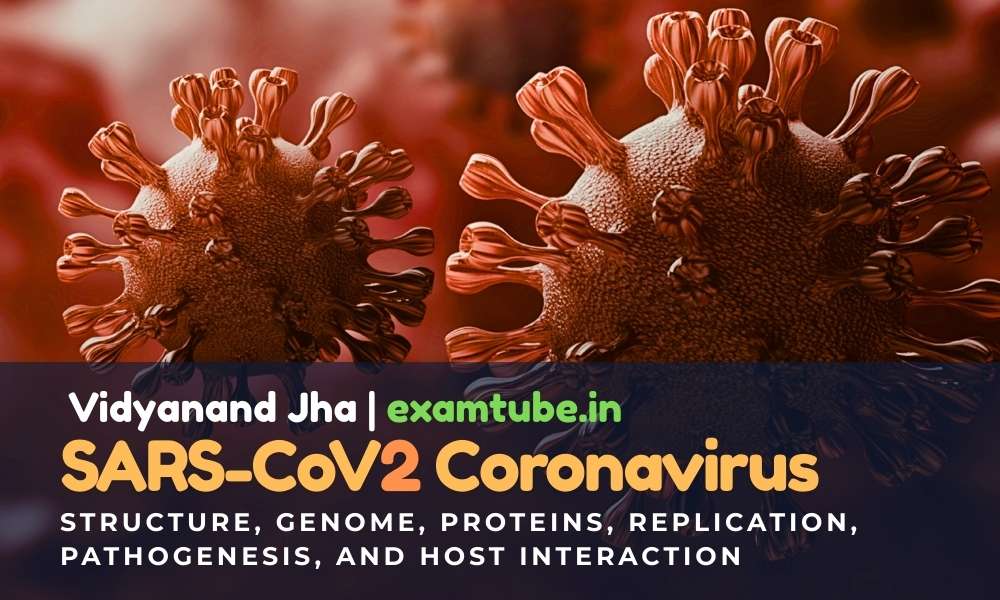
SARS-CoV-2 Coronavirus: Structure, Genome, Proteins, Replication, Pathogenesis, and Host Interaction
Coronavirus Overview Coronaviruses (CoVs) are enveloped viruses (surrounded by a lipid membrane derived from host cells), belonging to the s...

Discussion
Comments
Please log in to join the discussion.
Login to commentNo comments yet. Be the first to start the discussion.