
Practice question
Question
Which ABC transporter plays a role in cholesterol and phospholipid transport in hepatocytes?
Explanation
Cholesterol and phospholipid homeostasis in hepatocytes involves coordinated action of several ABC transporters at canalicular membrane. ABCB4 MDR3 flips phosphatidylcholine from inner to outer leaflet making it available for bile salt extraction forming mixed micelles that protect biliary epithelium and solubilize cholesterol exported by ABCG5/G8 heterodimer. ABCB1 MDR1 primarily exports hydrophobic xenobiotics and drugs, not bulk phospholipid for bile formation, though it can translocate short-chain lipids in vitro. ABCA1, not listed among options but relevant, mediates phospholipid and cholesterol efflux to apolipoprotein A1 for nascent HDL biogenesis at basolateral side. SGLT family members SLC5A1 and SLC5A2 are sodium-glucose symporters secondary active, unrelated to lipid transport. Mutations in ABCB4 cause progressive familial intrahepatic cholestasis type 3 with low biliary phospholipid, cholangitis and cholelithiasis, while ABCG5/G8 defects cause sitosterolemia, demonstrating specific partitioning of cholesterol and phosphatidylcholine pathways among distinct ABC transporters in liver physiology and disease. Such detailed mechanistic insight is frequently examined in competitive tests including NEET, CUET, CSIR-NET and GATE where transporter classification, energetics and disease linkage are integrated into problem-solving questions.
Related blogs
Guides and insights connected to this topic
Life Processes Notes - Nutrition, Respiration, Transportation and Excretion in Plants and Humans
Clear revision notes on essential life processes: nutrition, respiration, transportation, and excretion in plants and the human body.
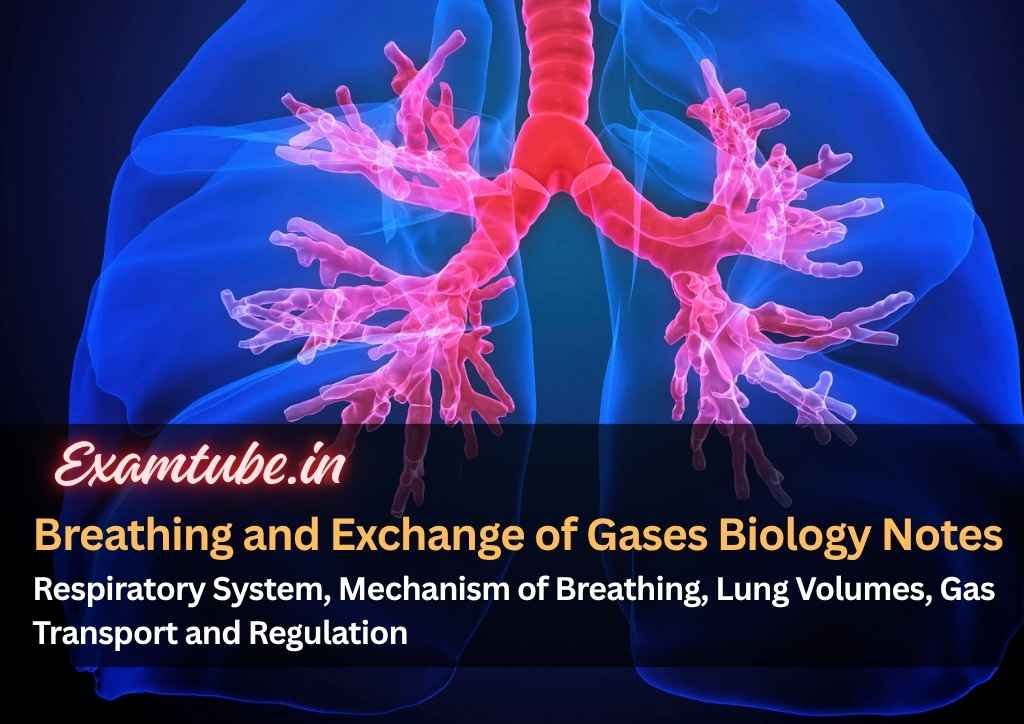
Breathing and Exchange of Gases Biology Notes - Respiratory System, Mechanism of Breathing, Lung Volumes, Gas Transport and Regulation
Clear biology notes on breathing and gas exchange. Learn human respiratory organs, breathing mechanics, and pulmonary gas transport.
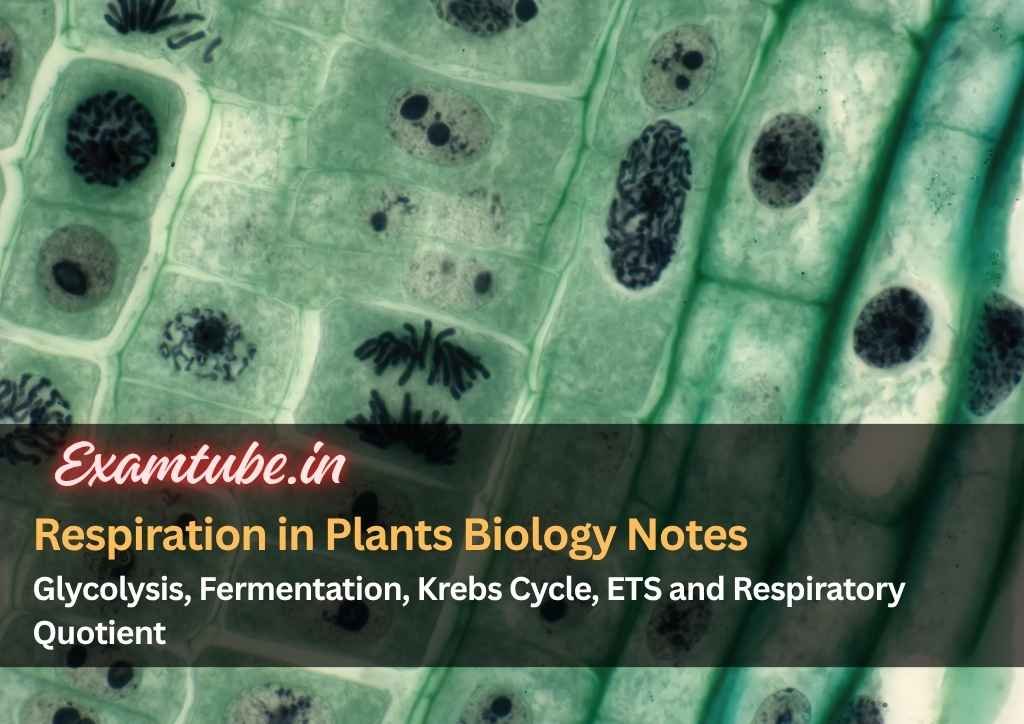
Respiration in Plants Biology Notes - Glycolysis, Fermentation, Krebs Cycle, ETS and Respiratory Quotient
Clear biology notes on cellular respiration in plants, covering glycolysis, fermentation, the Krebs cycle, ETS, and respiratory quotient.

Discussion
Comments
Please log in to join the discussion.
Login to commentNo comments yet. Be the first to start the discussion.