
Practice question
Question
What happens to membrane fluidity when the fatty acid chains are shortened?
Explanation
Fluidity of biomembranes reflects balance between van der Waals cohesion and steric freedom of acyl chains introduced by kinks. Shortening fatty acid chains from eighteen to fourteen carbons reduces surface area for London dispersion forces, weakening chain chain attraction and lowering cooperative melting enthalpy and phase transition temperature. The transition temperature Tm drops sharply, so at physiological thirty seven degrees a larger fraction exists in liquid crystalline disordered state characterized by frequent trans gauche isomerizations and rapid lateral diffusion near ten to minus eight centimeters squared per second. Bacteria implement homeoviscous adaptation by inducing FabA FabB or desaturases DesA to synthesize shorter unsaturated chains when temperature falls, preserving optimal viscosity. In model liposomes DLPC twelve carbons shows Tm minus one versus DPPC sixteen carbons Tm forty one demonstrates principle quantitatively. Short chains also thin bilayer slightly increasing passive permeability to solutes. Cells compensate by increasing cholesterol and sphingomyelin. Mastering chain length fluidity relationship predicts how diet psychrophilic adaptation and anesthetics alter receptor function and transport kinetics in physiology questions.
Related blogs
Guides and insights connected to this topic
Mucous Membrane (Mucosa): Structure, Locations, Functions and Disorders
Learn about the structure, locations, and functions of mucous membranes. Discover common disorders and how they protect the body.
Animal Cell Structure, Diagram and Organelles – Definition, Types, Functions
Learn what defines an animal cell, its organelles, and how they differ from plant cells. Includes diagrams and clear explanations of cell structure and functions.
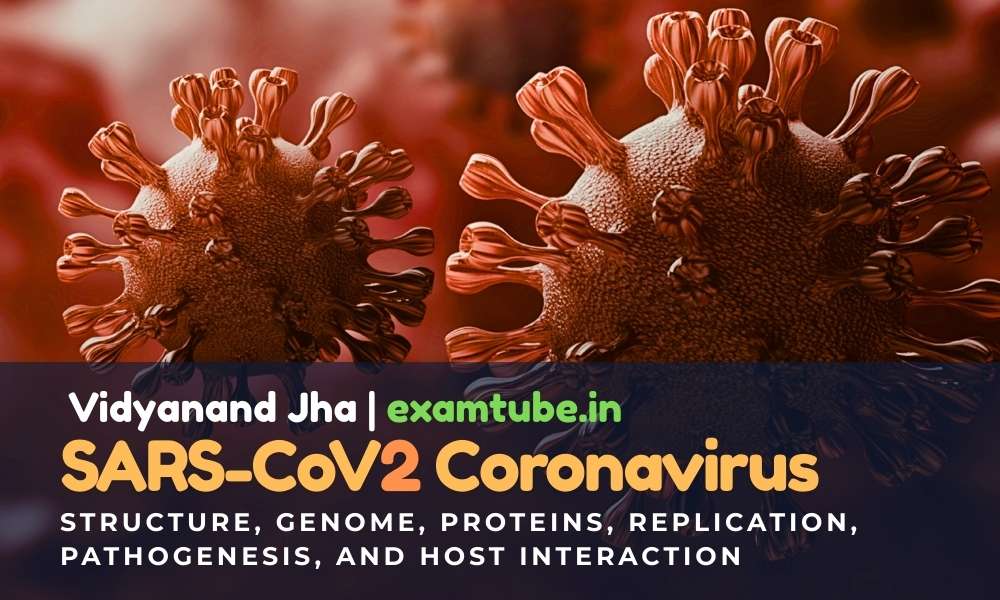
SARS-CoV-2 Coronavirus: Structure, Genome, Proteins, Replication, Pathogenesis, and Host Interaction
Coronavirus Overview Coronaviruses (CoVs) are enveloped viruses (surrounded by a lipid membrane derived from host cells), belonging to the s...

Discussion
Comments
Please log in to join the discussion.
Login to commentNo comments yet. Be the first to start the discussion.