
Practice question
Question
What happens to Gram-negative bacteria when the outer membrane is removed?
Explanation
Gram-negative bacteria possess a thin peptidoglycan layer confined to the periplasm between the inner cytoplasmic membrane and a distinctive outer membrane containing lipopolysaccharide and trimeric porins. The outer membrane provides substantial mechanical support, contributes to shape maintenance, and functions as a selective barrier against hydrophobic toxins, bile salts, and many antibiotics. When this membrane is disrupted by EDTA, which chelates magnesium and calcium ions that stabilize LPS contacts, or by mild detergents and lysozyme treatment, barrier and load-bearing capacity are lost. If peptidoglycan is simultaneously degraded, the rod-shaped cell collapses into an osmotically fragile, spherical structure that retains some membrane fragments and residual wall polymers. This intermediate is termed a spheroplast, in contrast to a protoplast produced from Gram-positive bacteria where enzymatic wall removal leaves only plasma membrane. Spheroplasts require isotonic media supplemented with sucrose or salts to prevent lysis but remain transcriptionally active. Their laboratory formation, studied extensively in Escherichia coli, illustrates recent evidence that outer membrane contributes to stiffness and growth integrity.
Related blogs
Guides and insights connected to this topic
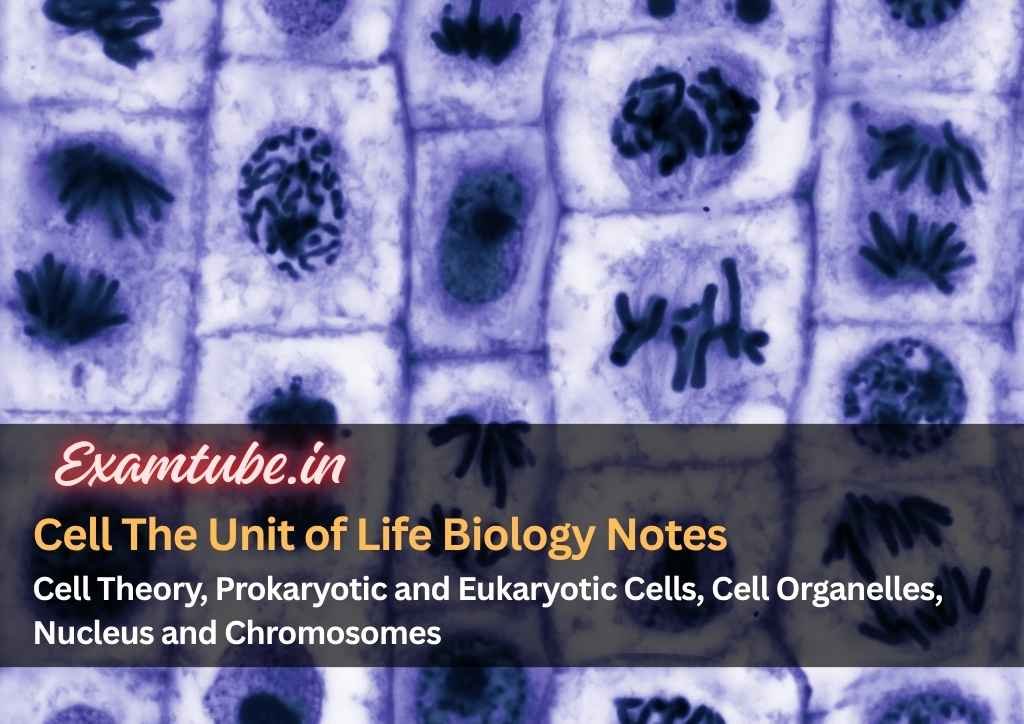
Cell The Unit of Life Biology Notes - Cell Theory, Prokaryotic and Eukaryotic Cells, Cell Organelles, Nucleus and Chromosomes
Notes on Cell: The Unit of Life covering cell theory, prokaryotic and eukaryotic cells, cell organelles, the nucleus and chromosomes.
Plant Cell Structure and Organelles: Definition, Diagram, Functions
Learn what defines a plant cell, how it differs from an animal cell, and the structure and functions of its 14 major organelles with clear explanations and diagrams.
Animal Cell Structure, Diagram and Organelles – Definition, Types, Functions
Learn what defines an animal cell, its organelles, and how they differ from plant cells. Includes diagrams and clear explanations of cell structure and functions.

Discussion
Comments
Please log in to join the discussion.
Login to commentNo comments yet. Be the first to start the discussion.