
Practice question
Question
The Golgi apparatus is responsible for:
Explanation
Golgi apparatus comprises four to eight flattened cisternae forming cis entry, medial processing and trans exit network with distinct enzyme gradients maintaining glycosylation sequence. Cargo arriving via COPII vesicles from ER undergoes mannose trimming by mannosidase I in cis, addition of N-acetylglucosamine by GlcNAc transferase I and II in medial, galactose and sialic acid in trans, creating complex glycans affecting half-life and receptor binding. Phosphorylation of mannose residues marks lysosomal enzymes, sulfation of proteoglycans occurs. Trans-Golgi network functions as major sorting hub where adaptor proteins AP1, AP3, GGA recognize cytosolic tails and M6P receptors cluster lysosomal hydrolases into clathrin-coated vesicles toward endosomes, while secretory proteins partition into dense core vesicles toward plasma membrane using SNARE specificity. DNA replication occurs in nucleus during S phase at replication forks, ATP synthesis in mitochondria via F1Fo ATP synthase, nuclear envelope reformation at telophase mediated by ER. Thus modification plus sorting defines Golgi functional signature linking biosynthetic pathway to functional destination.
Related blogs
Guides and insights connected to this topic
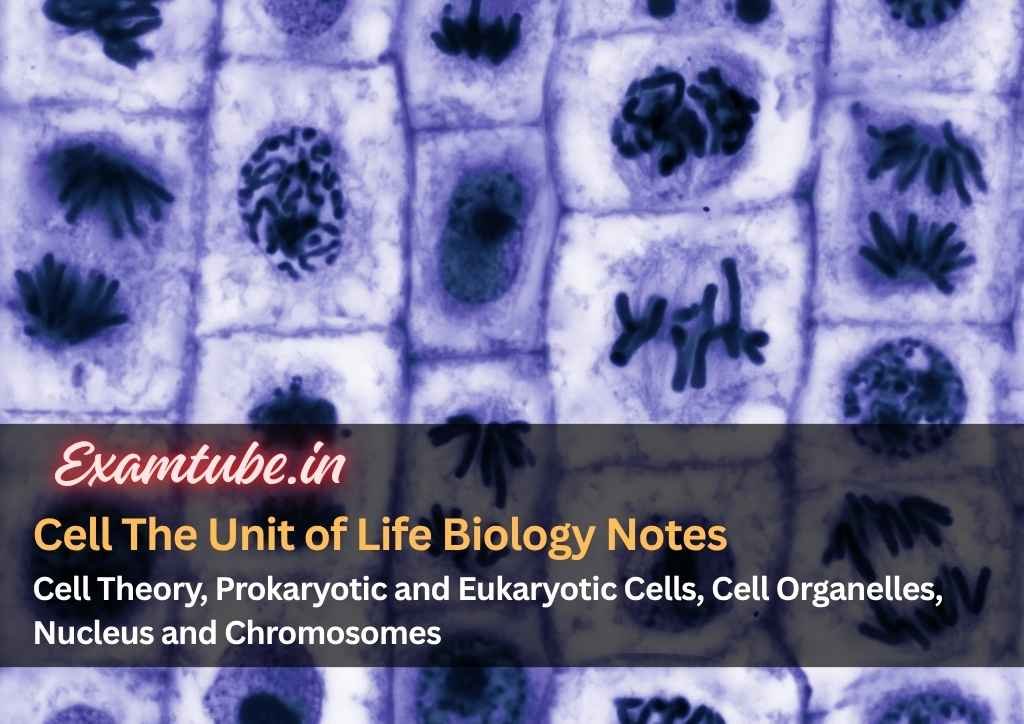
Cell The Unit of Life Biology Notes - Cell Theory, Prokaryotic and Eukaryotic Cells, Cell Organelles, Nucleus and Chromosomes
Notes on Cell: The Unit of Life covering cell theory, prokaryotic and eukaryotic cells, cell organelles, the nucleus and chromosomes.
Bone Cells: Types, Structure, Functions, Remodeling and Disorders
Learn about the three main types of bone cells—osteoblasts, osteocytes, and osteoclasts—their roles in bone formation, maintenance, and remodeling.
Pancreatic Cells: Types, Structure, Functions and Associated Disorders
Learn about pancreatic cells, their types, structure, functions, and disorders linked to exocrine and endocrine roles.
Discussion
Comments
Please log in to join the discussion.
Login to commentNo comments yet. Be the first to start the discussion.