
Practice question
Question
The final stable community in succession is called:
Explanation
In the classical succession framework, a climax community is the relatively persistent assemblage reached after successive seral communities. It remains dynamically active and can fluctuate, but its broad composition is considered stable under the prevailing regional climate and disturbance regime until conditions change substantially. Organisms can drive succession autogenically by changing their own habitat, while floods, erosion, sedimentation, or climate can drive allogenic change. Biological agents such as grazers and pathogens may also redirect succession by altering competitive relationships. Distinguishing the driver from the observed sequence clarifies mechanism: community turnover is the response, whereas substrate development, resource preemption, facilitation, or external forcing explains why replacement occurs. This distinction prevents every temporal fluctuation from being mislabeled as ecological succession. In this context, the keyed term, Climax community, identifies the relevant mechanism or quantitative relationship and links the observed pattern to its underlying ecological cause. The distinction is testable by measuring changes in organisms, resources, or process rates through time rather than relying on the label alone.
Related blogs
Guides and insights connected to this topic
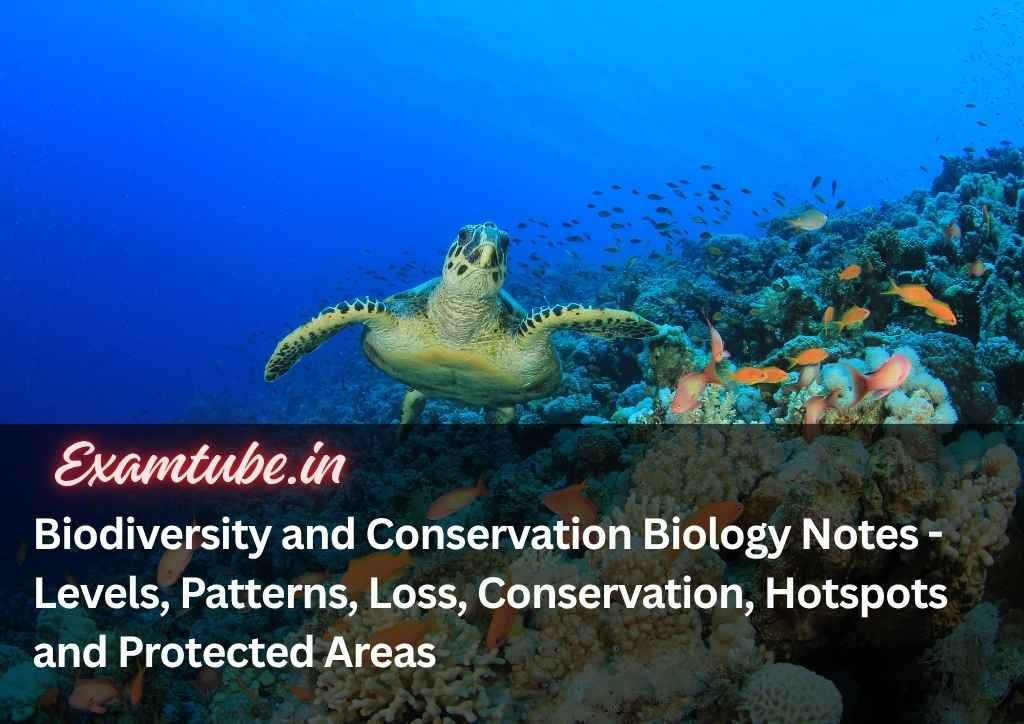
Biodiversity and Conservation Biology Notes - Levels, Patterns, Loss, Conservation, Hotspots and Protected Areas
Learn about biodiversity levels, patterns, loss, conservation strategies, hotspots and protected areas, with examples from India.
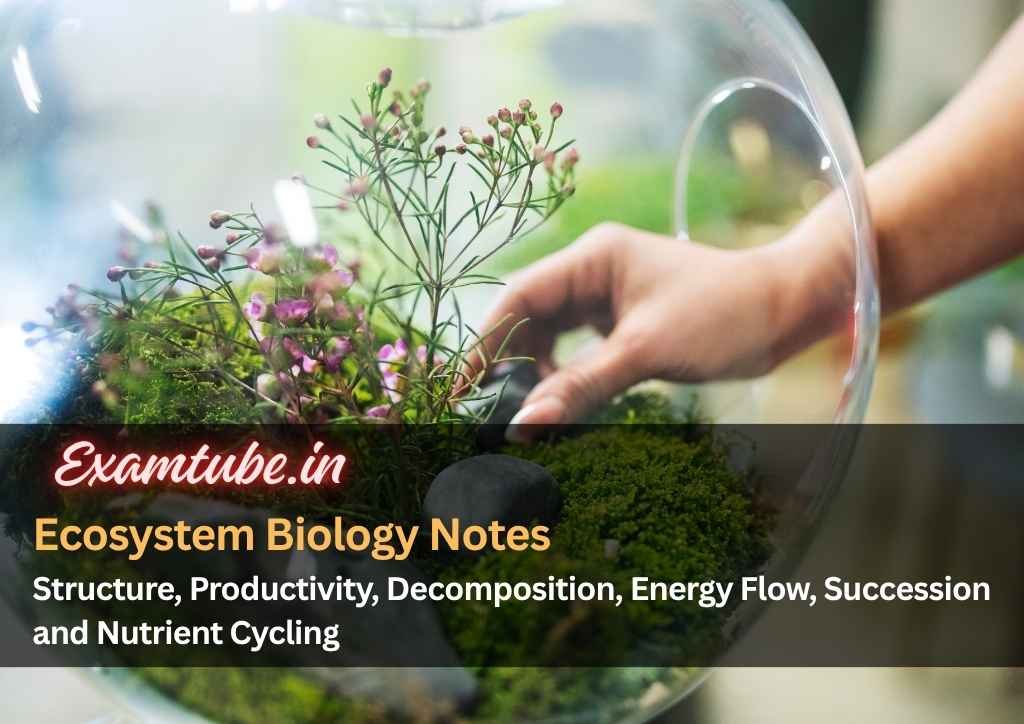
Ecosystem Biology Notes - Structure, Productivity, Decomposition, Energy Flow, Succession and Nutrient Cycling
Details ecosystem structure, productivity, decomposition, energy flow, succession and nutrient cycling in terrestrial and aquatic systems.
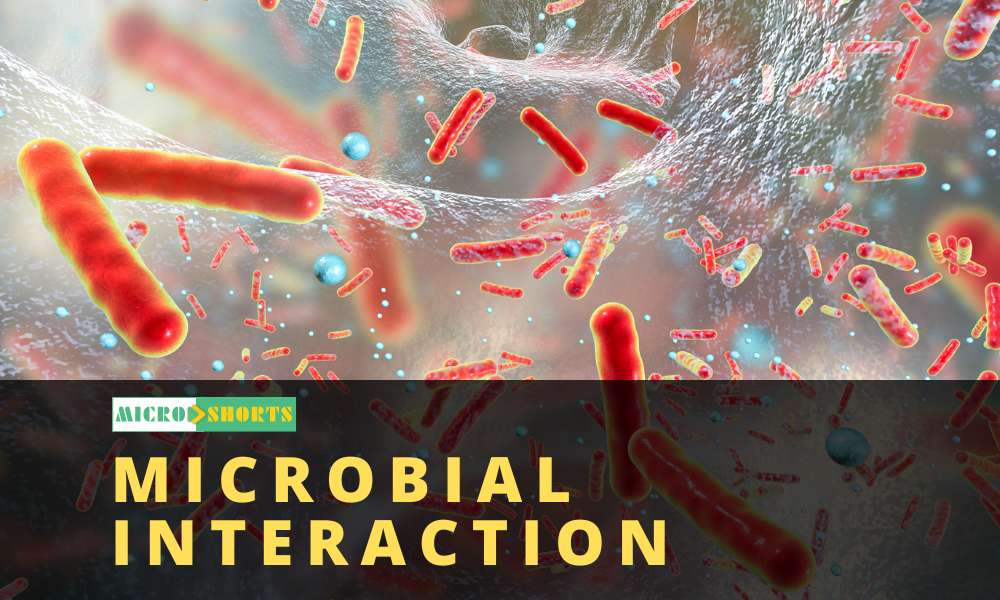
Microbial interaction and its types with examples
Introductions Biological interactions are the effects that the organisms in a community have on one another. There are completely different...
Discussion
Comments
Please log in to join the discussion.
Login to commentNo comments yet. Be the first to start the discussion.