
Practice question
Question
Lithium chloride treatment in frog embryos leads to:
Explanation
Lithium chloride is classic dorsalizing agent acting as direct inhibitor of glycogen synthase kinase-3 beta, serine-threonine kinase that phosphorylates beta-catenin for proteasomal degradation. In normal Xenopus embryos GSK3 keeps ventral beta-catenin low, while dorsal Wnt signaling inhibits it. Lithium mimics Wnt activation everywhere, stabilizing beta-catenin ubiquitously, driving ectopic expression of Siamois, Twin, goosecoid and chordin around entire marginal zone. Consequently ventral mesoderm converts to dorsal organizer fate, yielding hyperdorsalized embryos with expanded notochord and neural tissue. This illustrates conserved developmental logic of morphogen gradients patterning embryonic axes through Wnt and BMP antagonism.
Related blogs
Guides and insights connected to this topic
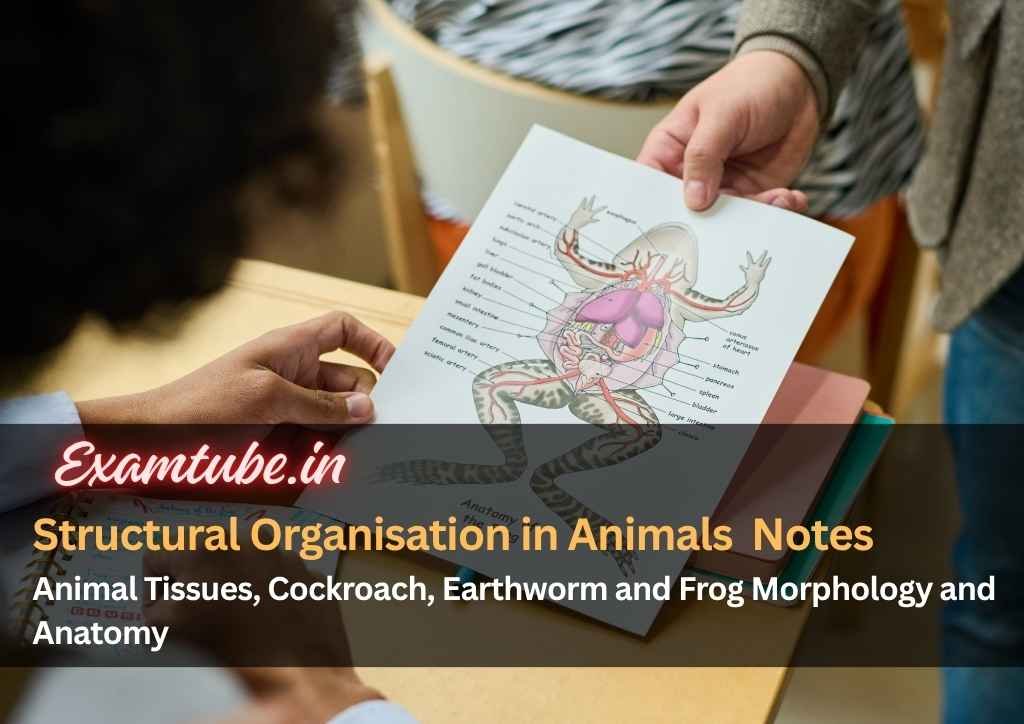
Structural Organisation in Animals Biology Notes - Animal Tissues, Cockroach, Earthworm and Frog Morphology and Anatomy
Quick biology notes on structural organisation in animals. Learn epithelial, connective, muscular, and neural tissues, plus animal anatomy.
Genotypic Ratio - Definition, Calculation, Monohybrid Dihybrid Trihybrid Cross, Significance and Important Terms
Understand genotypic ratios, how to calculate them for monohybrid, dihybrid and trihybrid crosses, and why they matter in Mendelian genetics.
Dominant and Recessive Traits - Definition, Homozygous Heterozygous Examples in Plants, Animals and Humans
Learn the difference between dominant and recessive alleles, how homozygous and heterozygous genotypes express traits in plants, animals and humans.
Discussion
Comments
Please log in to join the discussion.
Login to commentNo comments yet. Be the first to start the discussion.