
Practice question
Question
Generalist species typically have:
Explanation
Generalists have broad niches: they can use many resource types, occupy varied habitats, or tolerate a wide range of environmental conditions. This flexibility buffers them against fluctuations in any single resource and often helps them colonize disturbed or novel environments. Examples include omnivores with diverse diets and plants capable of growing across broad soil or light conditions. A broad niche does not mean equal performance everywhere; generalists may still have optimal conditions and may trade peak efficiency for flexibility. Specialists use a narrower set of conditions or resources and can outperform generalists within that restricted domain, but they are often more sensitive to environmental change. Reduced adaptability and limited habitat preferences therefore characterize specialization more closely, although evolutionary potential is not determined by niche breadth alone. Niche width can also differ across dimensions: an organism may be a dietary generalist but a climatic specialist. The generalist–specialist continuum is useful for predicting invasion success, extinction risk, responses to disturbance, and the degree of resource overlap with other species.
Related blogs
Guides and insights connected to this topic
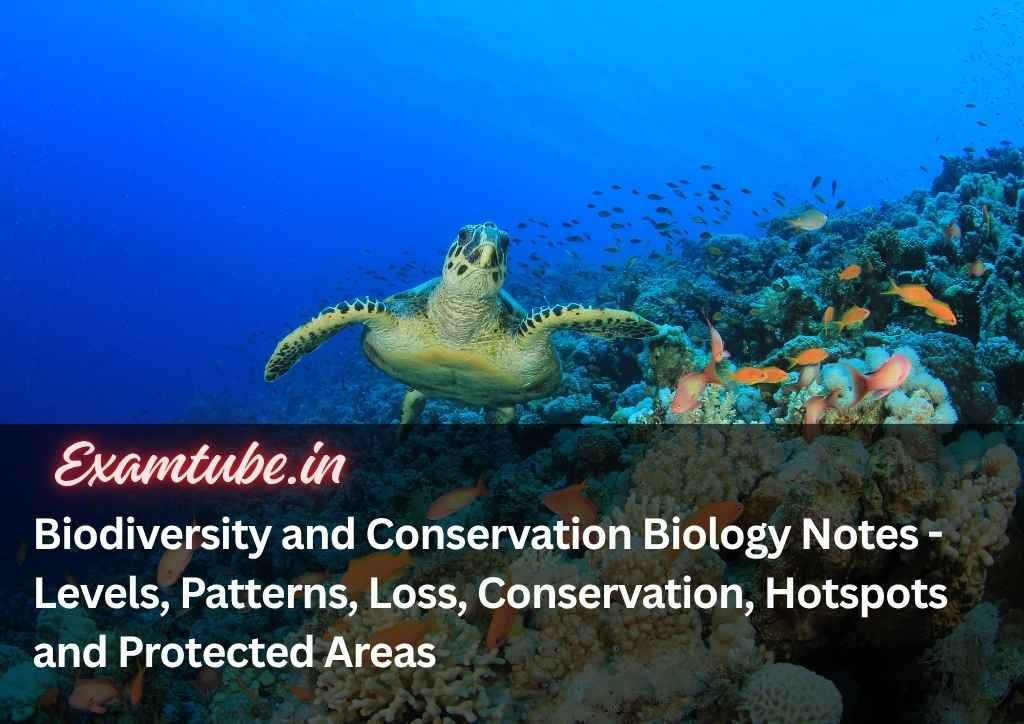
Biodiversity and Conservation Biology Notes - Levels, Patterns, Loss, Conservation, Hotspots and Protected Areas
Learn about biodiversity levels, patterns, loss, conservation strategies, hotspots and protected areas, with examples from India.

Organisms and Populations Biology Notes - Ecology, Abiotic Factors, Adaptations, Population Growth and Interactions
Covers organismal ecology, abiotic factors, adaptations, population growth and species interactions.
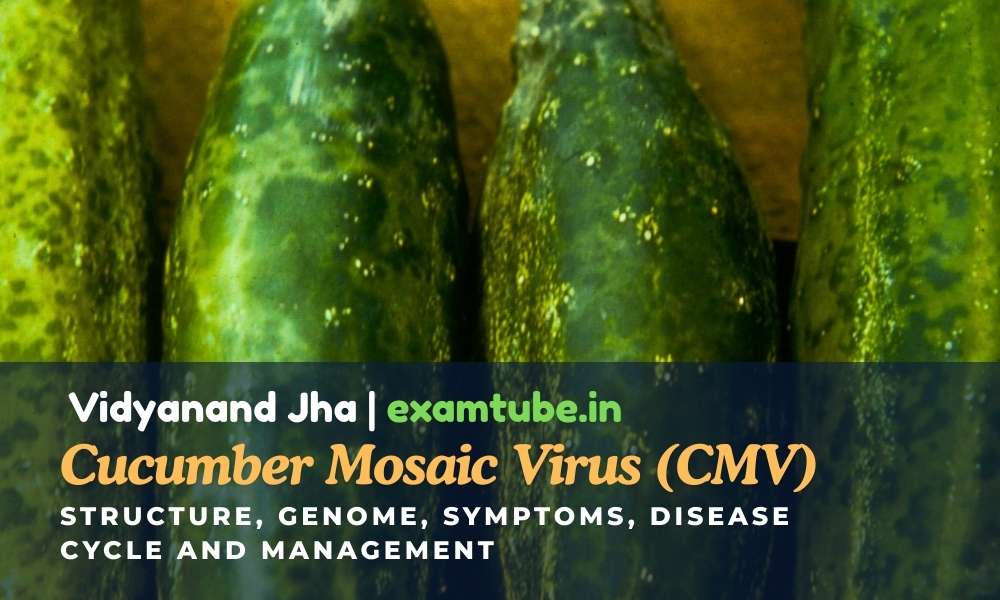
Cucumber Mosaic Virus (CMV): Structure, Genome, Symptoms, Disease Cycle and Management
Cucumber Mosaic Virus (CMV): Introduction and Importance Cucumber Mosaic Virus (CMV) (plant-infecting RNA virus) is one of the most economic...
Discussion
Comments
Please log in to join the discussion.
Login to commentNo comments yet. Be the first to start the discussion.