
Practice question
Question
BrdU-labelled cells can be selectively killed by exposure to:
Explanation
DNA containing BrdU substituted in place of thymidine becomes photosensitive because carbon-bromine bond cleaves homolytically upon absorption of near-UV light around 313 nm or visible light when sensitized by intercalating dyes Hoechst 33258 or acridine orange. Resulting uracilyl radical abstracts hydrogen from deoxyribose causing strand break at apurinic site, creating alkali-labile lesions and single- and double-strand breaks that overwhelm base excision repair leading to cell death if incorporation extensive. This property underlies selective elimination technique: pulse culture with BrdU labels rapidly dividing cells heavily, while quiescent cells incorporate minimally. Subsequent exposure to bright fluorescent light or UV delivers lethal damage specifically to BrdU-rich DNA, sparing non-dividing population. Heat, acid washing, or cold shock do not exploit bromine photochemistry, thus ineffective for selective killing. Method known as light-induced suicide historically enabled enrichment of stem cells, isolation of cell cycle mutants, and purification of G0 populations for transplantation studies where removal of proliferative fraction critical.
Related blogs
Guides and insights connected to this topic
Experiment 9: Study of Meiosis in Onion Bud Cells or Grasshopper Testis Using Permanent Slides
AIM To study the meiosis in onion bud or grasshopper testis using permanent slides. PRINCIPLE Meiosis is reduction division that reduces chromosome number by half and produces four haploid gametes from a diploid parent cell. It consists of two successive divisions, Meiosis-I and...
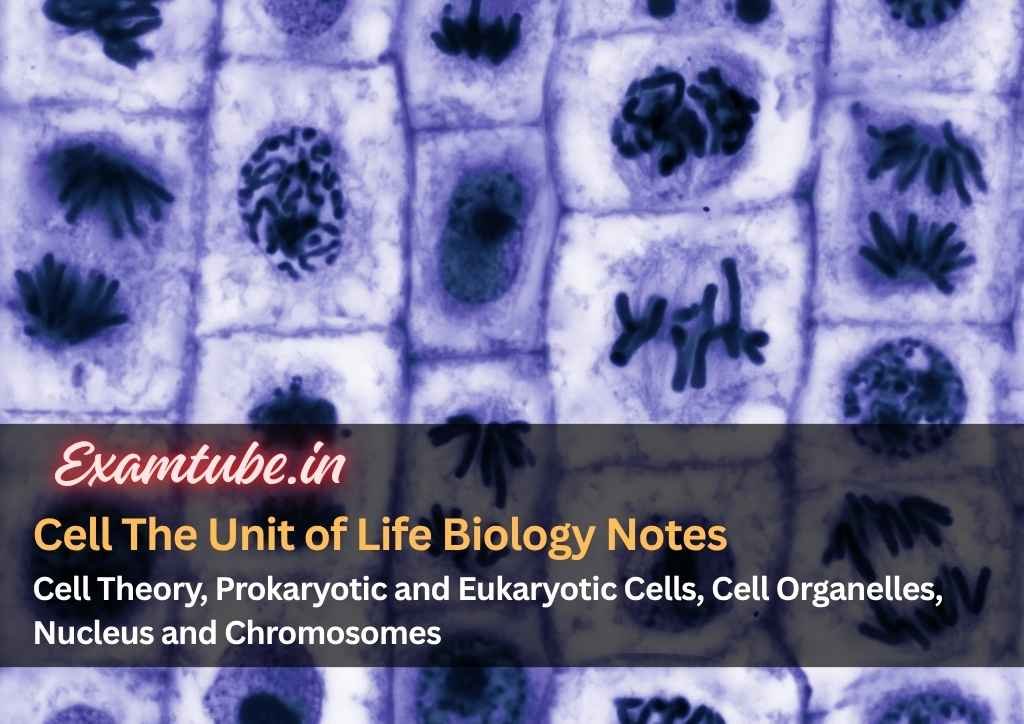
Cell The Unit of Life Biology Notes - Cell Theory, Prokaryotic and Eukaryotic Cells, Cell Organelles, Nucleus and Chromosomes
Notes on Cell: The Unit of Life covering cell theory, prokaryotic and eukaryotic cells, cell organelles, the nucleus and chromosomes.
Plasmolysis: Definition, Types, Forms, Examples and Significance
Learn what plasmolysis is, how it works in plant cells, and why it matters in biology with clear definitions and examples.

Discussion
Comments
Please log in to join the discussion.
Login to commentNo comments yet. Be the first to start the discussion.