
Practice question
Question
Cryoprotectant commonly used for animal cells is:
Explanation
Cryopreservation enables essentially indefinite storage of mammalian cell lines and primary cells by arresting biochemical reactions at cryogenic temperatures, but prevention of lethal intracellular ice formation crucial. Dimethyl sulfoxide at 5 to 10 percent volume per volume emerged as standard cryoprotectant for most animal cells due to rapid membrane permeability coefficient 10^-5 cm per second, colligative depression of freezing point, ability to replace water molecules via hydrogen bonding and promotion of vitrification rather than crystallization that would mechanically puncture organelles and plasma membrane. During controlled slow cooling at minus 1 Celsius per minute achieved by isopropanol-filled containers Mr Frosty, DMSO reduces eutectic phase formation, limits solute concentration injury described by Mazur two-factor hypothesis balancing ice formation versus solute toxicity, stabilizes phospholipid bilayers and cytoskeleton. Compared to glycerol which permeates slower favored for insect Sf9 cells and some stem cells, DMSO offers faster equilibration but exhibits cytotoxicity at concentrations above 10 percent and temperature above 4 Celsius, necessitating quick addition at chilled state and rapid dilution with serum-containing medium post-thaw to sustain recovery above 80 percent. Ethanol and formaldehyde are toxic fixatives unsuitable for viability preservation.
Related blogs
Guides and insights connected to this topic

PYR Test: Principle, Media, Steps, Results, Uses
Introduction to the PYR TestThe PYR test (Pyrrolidonyl Arylamidase test) is an essential biochemical assay used primarily for the identifica...

STUDY OF COMPOUND MICROSCOPE
INTRODUCTION The word microscope is derived from two Greek words ‘micro’ meaning small and ‘scope” meaning to view. In other words a microsc...
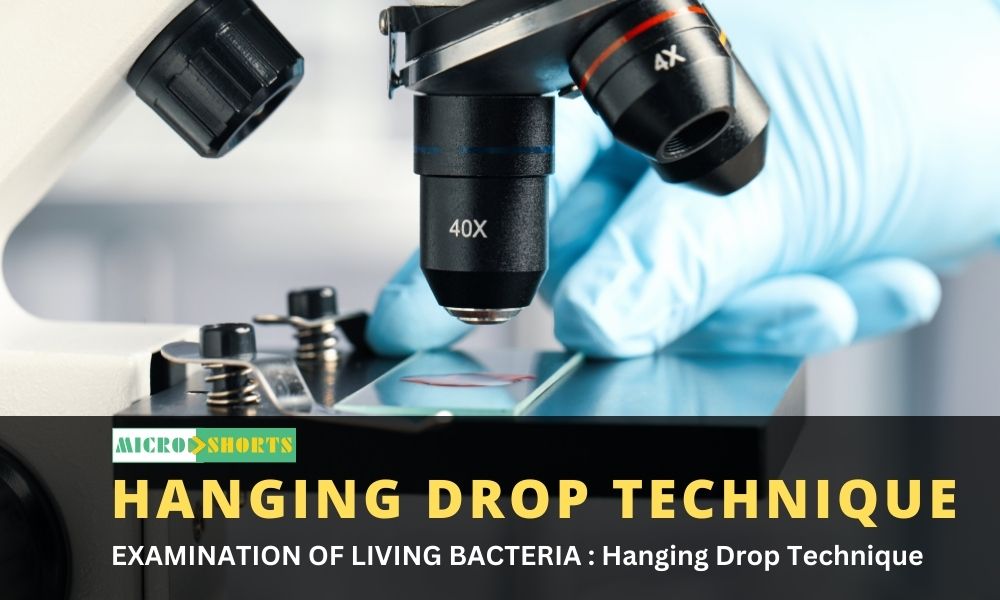
EXAMINATION OF LIVING BACTERIA : Hanging Drop Technique
IntroductionThe hanging drop technique is a method used in microbiology and cell biology to observe the behavior of living microorganisms or...
Discussion
Comments
Please log in to join the discussion.
Login to commentNo comments yet. Be the first to start the discussion.