
Practice question
Question
ZFNs induce genome modification by creating:
Explanation
Zinc finger nucleases induce targeted genome modification by introducing double-strand breaks which are highly recombinogenic lesions activating cellular DNA damage response. After FokI dimer cleavage within spacer producing 5' overhangs, MRN complex Mre11-Rad50-Nbs1 senses ends, recruits ATM kinase phosphorylating H2AX, mediators 53BP1, initiating cell-cycle checkpoint. Breaks must be repaired to avoid apoptosis. In absence of donor, classical NHEJ mediated by Ku70/Ku80 heterodimer binding ends, DNA-PKcs recruitment, Artemis processing and Lig4-XRCC4 ligation rejoins ends frequently introducing small insertions or deletions due to processing, causing frameshift-mediated knockout useful for disrupting negative regulators like MLO mildew susceptibility in barley. If homologous donor plasmid with homology arms flanking break provided in excess during S/G2 phase, Rad51 mediated homologous recombination uses donor as template copying desired edits resulting precise gene replacement or insertion. DSB stimulates HR frequency up to 1000-fold over spontaneous. Detection of editing uses Surveyor assay, T7E1 cleavage, deep amplicon sequencing showing indel signatures distinct for each repair outcome.
Related blogs
Guides and insights connected to this topic

Molecular Basis of Inheritance Biology Notes - DNA Structure, Replication, Transcription, Genetic Code, Human Genome and DNA Fingerprinting
Notes on DNA’s double helix, replication steps, transcription process, genetic code, human genome and DNA fingerprinting.
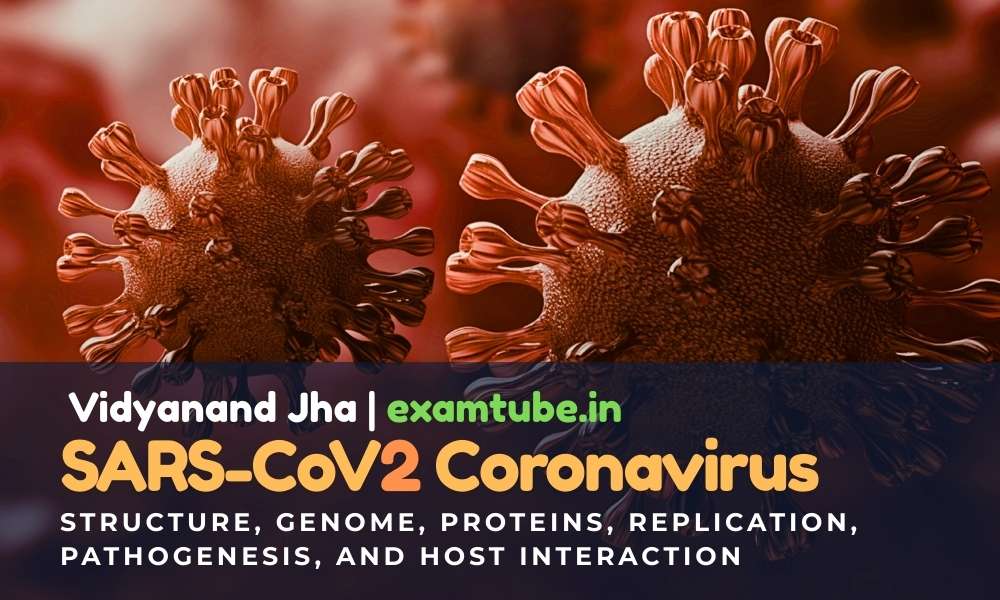
SARS-CoV-2 Coronavirus: Structure, Genome, Proteins, Replication, Pathogenesis, and Host Interaction
Coronavirus Overview Coronaviruses (CoVs) are enveloped viruses (surrounded by a lipid membrane derived from host cells), belonging to the s...

Coronavirus Structure, Genome, Replication, Symptoms, Pathogenesis, and Prevention
Structure of Coronavirus Coronaviruses (enveloped RNA viruses) fall in the virus family Coronaviridae, order Nidovirales. They are enveloped...
Discussion
Comments
Please log in to join the discussion.
Login to commentNo comments yet. Be the first to start the discussion.