
Practice question
Question
What is the role of importins in nuclear transport?
Explanation
Importins act as soluble chaperones that decode nuclear localization signals and ferry cargo through nuclear pore complex while keeping hydrophobic patches shielded. Classical monopartite NLS such as SV40 large T antigen PKKKRKV or bipartite nucleoplasmin KRPAATKKAGQAKKKK are highly enriched in basic lysine and arginine side chains that bind armadillo repeats of importin-alpha via electrostatic interactions and tryptophan-mediated cation-pi stacking. Importin-beta then wraps around importin-alpha IBB domain and mediates transient hydrophobic contacts with FG nucleoporins, moving complex inward by facilitated diffusion without ATP consumption. Inside nucleus, binding of Ran-GTP to importin-beta N-terminal arch induces large conformational opening, releasing importin-alpha-cargo assembly. Nup50 competes for NLS binding groove to liberate cargo, while CAS exportin plus Ran-GTP returns importin-alpha to cytosol for another cycle. This mechanism concentrates DNA polymerases, histones, transcription factors and spliceosomal components inside nucleus where they function. Export of NES proteins, chromatin modification or ribosome anchoring are performed by unrelated factors, highlighting importins as dedicated carriers for positively charged NLS recognition during nuclear import and gene regulation.
Related blogs
Guides and insights connected to this topic
Sources of Energy Notes - Conventional vs Non-Conventional, Solar, Nuclear and Environmental Impact
Explore class 10 notes on energy sources, comparing conventional and non‑conventional types, including solar and nuclear power and their environmental impact.
Life Processes Notes - Nutrition, Respiration, Transportation and Excretion in Plants and Humans
Clear revision notes on essential life processes: nutrition, respiration, transportation, and excretion in plants and the human body.
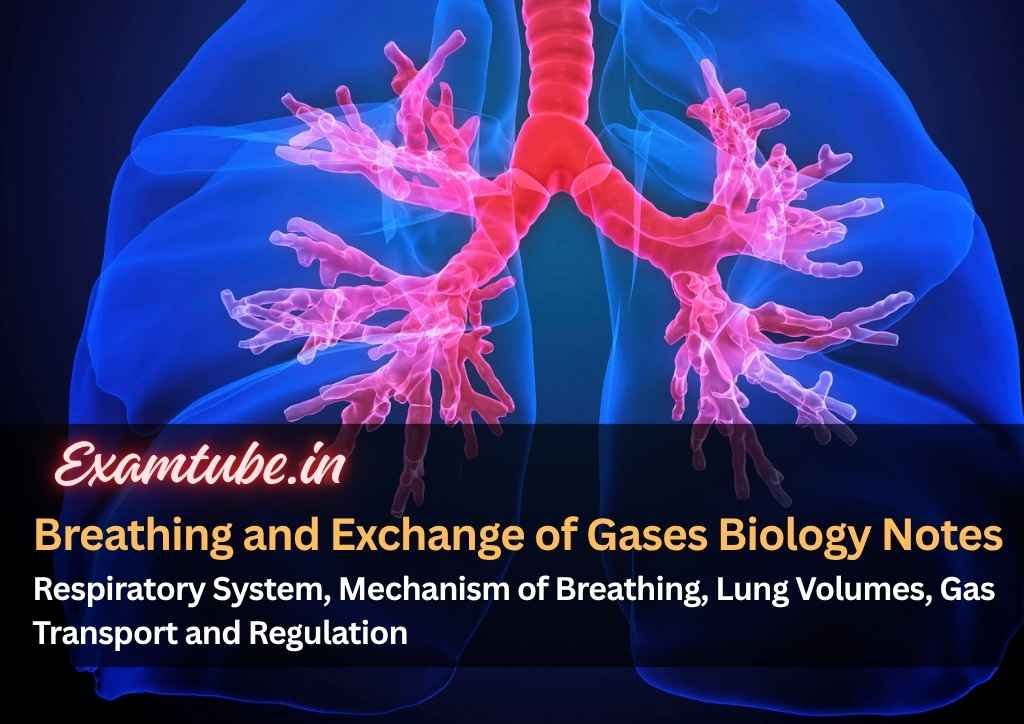
Breathing and Exchange of Gases Biology Notes - Respiratory System, Mechanism of Breathing, Lung Volumes, Gas Transport and Regulation
Clear biology notes on breathing and gas exchange. Learn human respiratory organs, breathing mechanics, and pulmonary gas transport.
Discussion
Comments
Please log in to join the discussion.
Login to commentNo comments yet. Be the first to start the discussion.