
Practice question
Question
GPI-anchored proteins are synthesized in:
Explanation
Glycosylphosphatidylinositol anchoring provides alternative membrane attachment without transmembrane span, enabling rapid lateral diffusion within lipid rafts, apical sorting and regulated release by phospholipases. Precursors contain N-terminal ER targeting signal and C-terminal GPI attachment signal comprising small residues at omega cleavage site followed by moderately polar spacer and hydrophobic tail of fifteen to twenty residues. Co-translationally inserted into ER lumen via Sec61, nascent chain may receive N-glycans, then GPI transamidase complex, pentamer of PIG-K catalytic cysteine protease, GPAA1, PIG-S, PIG-T and PIG-U, cleaves between omega and omega+1 and creates amide bond linking new C-terminus to preassembled GPI glycolipid. That intermediate itself assembled stepwise on ER membrane from phosphatidylinositol, glucosamine, mannoses donated by dolichol-phosphate-mannose and phosphoethanolamine via series of PIG enzymes. After attachment, GPI lipid remodeling by PGAP1 removes acyl chain and adds saturated fatty acid for raft affinity. Cargo concentrates at ER exit sites via p24 family and travels through secretory pathway to outer leaflet of plasma membrane where anchored proteins function in adhesion, complement regulation and signaling, examples CD55, CD59 and alkaline phosphatase involved in host defense.
Related blogs
Guides and insights connected to this topic

Biomolecules Biology Notes - Chemical Composition, Amino Acids, Lipids, Proteins, Nucleic Acids, Enzymes and Cofactors
Detailed biology notes on biomolecules. Learn chemical tissue analysis, amino acids, proteins, lipids, nucleic acids, and enzyme action.
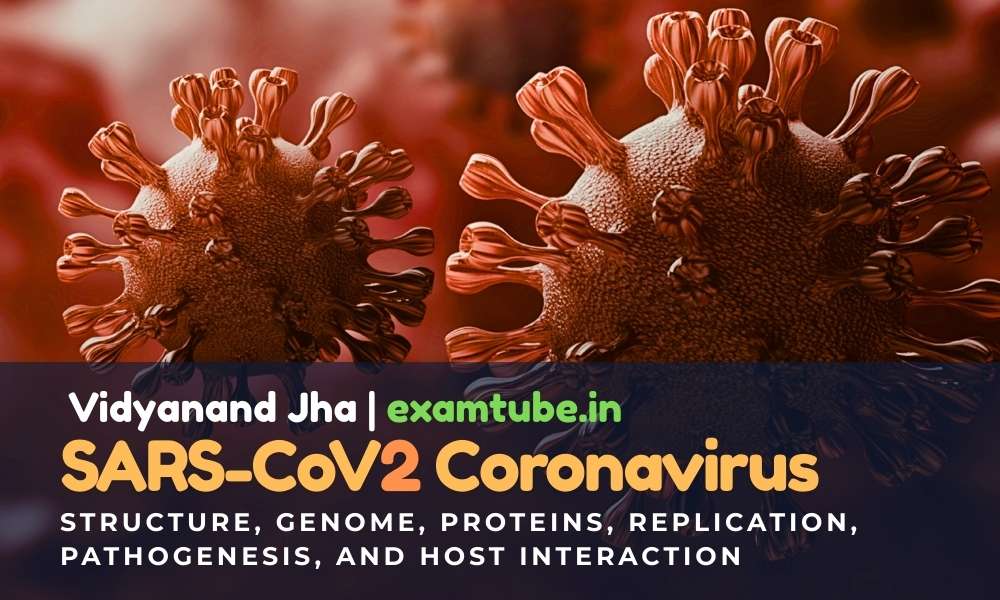
SARS-CoV-2 Coronavirus: Structure, Genome, Proteins, Replication, Pathogenesis, and Host Interaction
Coronavirus Overview Coronaviruses (CoVs) are enveloped viruses (surrounded by a lipid membrane derived from host cells), belonging to the s...

Coronavirus Structure, Genome, Replication, Symptoms, Pathogenesis, and Prevention
Structure of Coronavirus Coronaviruses (enveloped RNA viruses) fall in the virus family Coronaviridae, order Nidovirales. They are enveloped...
Discussion
Comments
Please log in to join the discussion.
Login to commentNo comments yet. Be the first to start the discussion.