
Practice question
Question
Which pollutant causes Taj Mahal discoloration?
Explanation
Sulfur dioxide from refineries, combustion, and other sources around Agra contributes to marble deterioration and discoloration. Atmospheric oxidation produces sulfuric acid and sulfate; these react with calcium carbonate in marble to form gypsum, which is more soluble and traps soot and dust, creating a yellowed or darkened surface. Nitrogen oxides and particulates may contribute, so attributing all damage exclusively to one pollutant is a simplification. Atmospheric inversions can trap contaminants near the surface, while wind, turbulence, precipitation, and chemical transformation determine their eventual distribution and removal. At organismal level, respiratory surfaces are especially exposed because large volumes of air contact thin, moist epithelia designed for rapid gas exchange. Sound classification links the source, atmospheric fate, exposure route, and mechanism of toxicity rather than relying only on the pollutant's name. Effective management combines cleaner fuels, emission standards, monitoring, urban planning, and protection of populations with high exposure or physiological vulnerability. The distinction is ecologically important because emission control must target either the directly released precursor or the product formed after atmospheric transport and reaction.
Related blogs
Guides and insights connected to this topic
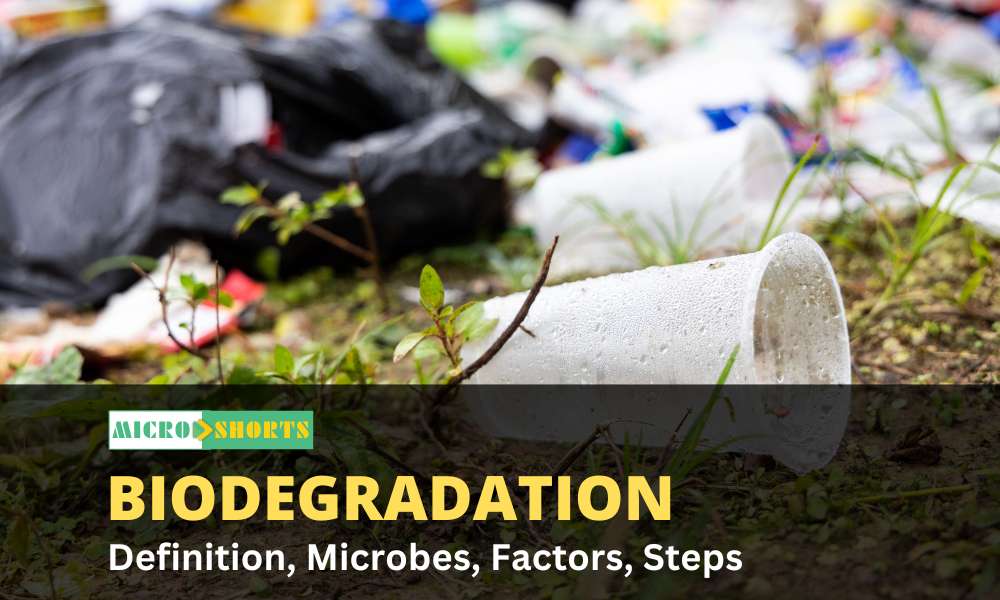
Biodegradation- Definition, Microbes, Factors, Steps
Biodegradation is a natural process, whereas Bioremediation is a man-made biotechnological process.Both these processes are very important f...
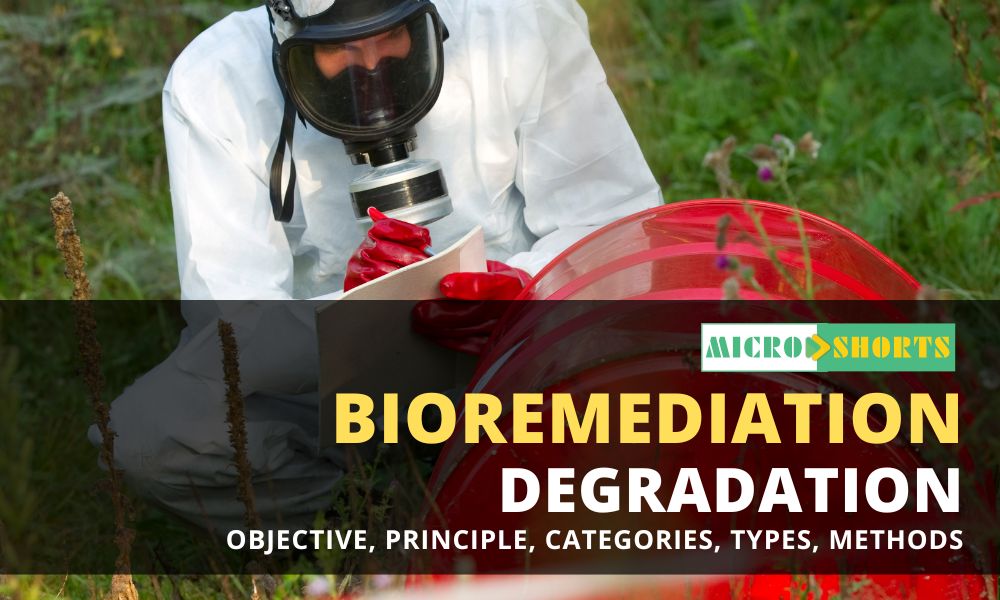
Bioremediation- Objective, Principle, Categories, Types, Methods, Applications
Bioremediation Bioremediation refers to the use of either naturally occurring or deliberately introduced microorganisms to consume and break...
Tissues in Action Notes - Plant and Animal Tissues, Meristematic, Epithelial, Connective and Muscular
Explore how cells form tissues in plants and animals, covering meristematic, epithelial, connective and muscular types, and why their structures differ.
Discussion
Comments
Please log in to join the discussion.
Login to commentNo comments yet. Be the first to start the discussion.