
Practice question
Question
Which of the following describes the fate of P6.p in vulval development?
Explanation
P6.p receives maximal LIN-3/EGF signal due to proximity directly underneath gonadal anchor cell, activating high MAPK MPK-1 and inhibiting LIN-1 repressor via phosphorylation. This induces primary lineage: three rounds of division generating eight cells forming central vulval rings vulE and vulF creating precise lumen for egg passage. Descendants express egl-17 fibroblast growth factor, cdh-3 cadherin, zmp-1 metalloprotease. P6.p also expresses DSL ligands APX-1, LAG-2, DSL-1 to activate LIN-12 Notch in neighboring P5.p and P7.p promoting secondary fate and preventing adjacent primaries, acting as organizer.
Related blogs
Guides and insights connected to this topic
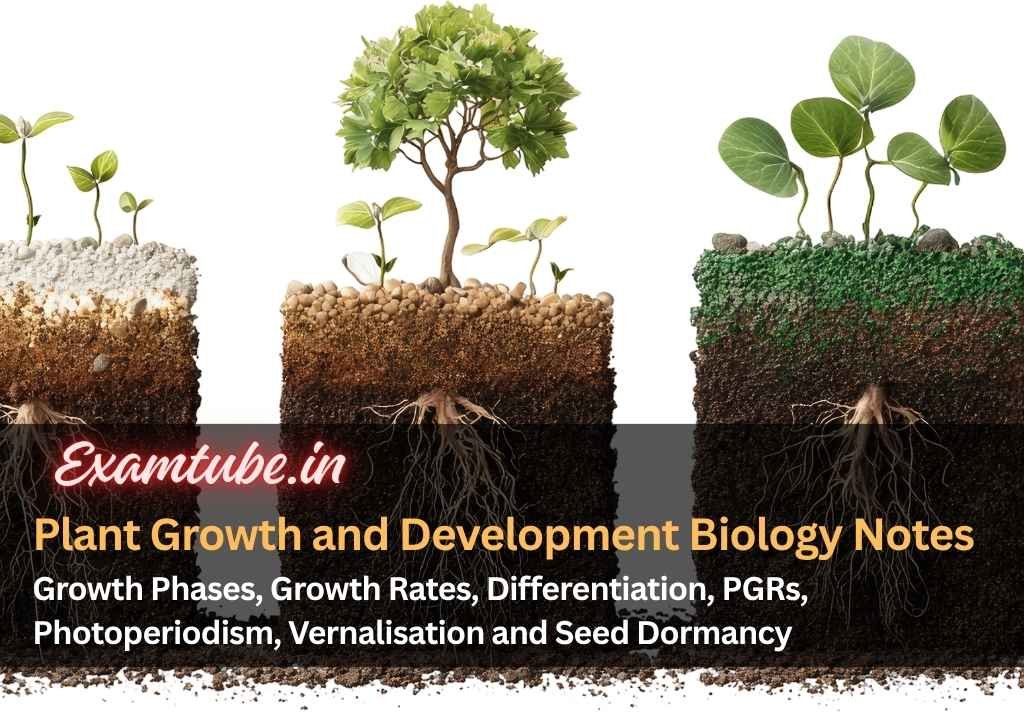
Plant Growth and Development Biology Notes - Growth Phases, Growth Rates, Differentiation, PGRs, Photoperiodism, Vernalisation and Seed Dormancy
Read notes on plant growth and development, covering meristems, growth phases, differentiation, plant growth regulators, and photoperiodism.
Cancer Cells: Morphology, Development, Types and Differences from Normal Cells
Learn how cancer cells differ from normal cells in growth, structure, and behavior, including key morphological changes and development patterns.
Glycolysis Steps with Enzymes, Pathways
Glycolysis ProcessGlycolysis is the central pathway for glucose catabolism. In this process, glucose, a 6-carbon compound, is converted into...
Discussion
Comments
Please log in to join the discussion.
Login to commentNo comments yet. Be the first to start the discussion.