
Practice question
Question
Which of the following correctly differentiates warm-blooded and cold-blooded animals?
Explanation
Warm-blooded animals, more precisely endothermic homeotherms, use metabolic heat and physiological regulation to keep core temperature relatively stable across a range of environmental temperatures. Birds and mammals adjust insulation, blood flow, evaporation, shivering, and behaviour to balance heat production and loss. Cold-blooded animals are generally ectothermic, obtaining much of their heat from the environment, so body temperature and physiological rate vary more strongly with external conditions. They can still regulate behaviourally by basking or seeking shade. Hibernation is not exclusive to warm-blooded species; many ectotherms undergo seasonal dormancy, often termed brumation in reptiles. Ectotherms typically have lower, not higher, food demands because they do not continuously fuel intense thermogenesis. Body size also does not provide an absolute distinction: both groups contain small and large species. Stable internal temperature is therefore the biologically meaningful contrast among the choices. Even this distinction has exceptions. Some endotherms use torpor and become temporarily heterothermic, while large active fishes or insects may retain metabolically produced heat regionally. “Warm-blooded” and “cold-blooded” are convenient labels, but endothermy, ectothermy, homeothermy, and poikilothermy describe mechanisms more precisely.
Related blogs
Guides and insights connected to this topic
Biotechnology and Its Applications Biology Notes - GM Crops, Bt Cotton, RNAi, Insulin, Gene Therapy, Transgenic Animals and Bioethics
Discusses GM crops, Bt cotton, RNAi, insulin production, gene therapy, transgenic animals and bioethical considerations.
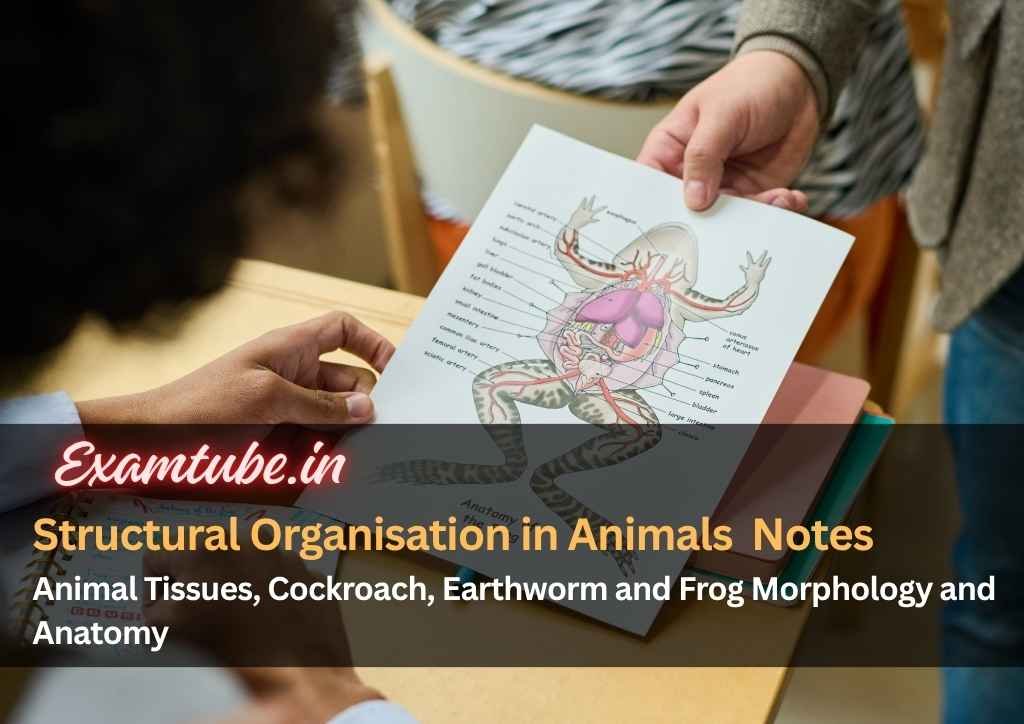
Structural Organisation in Animals Biology Notes - Animal Tissues, Cockroach, Earthworm and Frog Morphology and Anatomy
Quick biology notes on structural organisation in animals. Learn epithelial, connective, muscular, and neural tissues, plus animal anatomy.

Organic waste recycling (methods, steps, significance, barriers)
Organic wastes are materials from living sources like plants, animals, and microorganisms that are biodegradable and can be broken down into...
Discussion
Comments
Please log in to join the discussion.
Login to commentNo comments yet. Be the first to start the discussion.