
Practice question
Question
Which of the following best describes the pathway of secretory proteins?
Explanation
Classical secretory pathway described by George Palade using pulse-chase autoradiography follows polarized itinerary from synthesis to release. Proteins destined for secretion start on rough ER where N-terminal signal peptide directs co-translational insertion via Sec61 channel and cleavage by signal peptidase. Core N-glycosylation, chaperone assisted folding and disulfide formation occur there before concentration at ER exit sites organized by Sec16 and COPII coat assembly controlled by Sar1 GTPase. Vesicles form ER-Golgi intermediate compartment and fuse into cis-Golgi cisterna. Cargo then traverses Golgi stack cis to trans via cisternal maturation while Golgi glycosyltransferases, sulfotransferases, mannosidases and processing proteases like furin modify glycans and cleave propeptides sequentially. At trans-Golgi network, sorting receptors sortilin, sortilin-related and mannose-6-phosphate receptors divert lysosomal enzymes, while remaining cargo enters constitutive secretory vesicles or regulated dense core granules controlled by cargo receptors and calcium. SNARE proteins including VAMP, syntaxin and SNAP drive final fusion with plasma membrane releasing contents. This ER to Golgi to plasma membrane axis explains sensitivity to brefeldin A and requirement for ER quality control before export and extracellular deposition.
Related blogs
Guides and insights connected to this topic
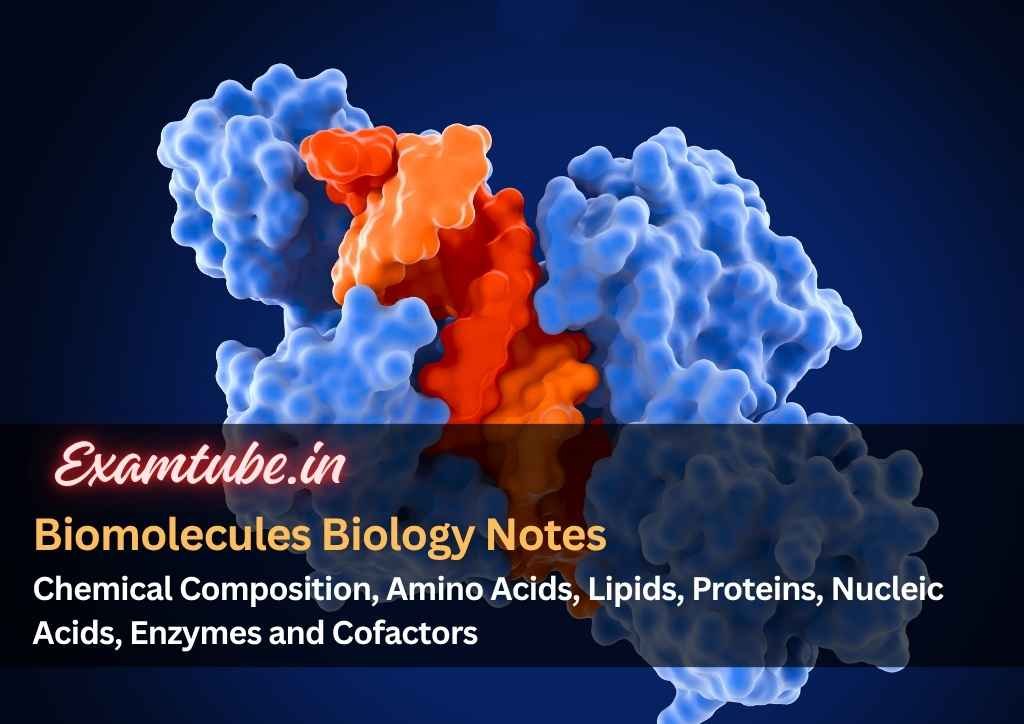
Biomolecules Biology Notes - Chemical Composition, Amino Acids, Lipids, Proteins, Nucleic Acids, Enzymes and Cofactors
Detailed biology notes on biomolecules. Learn chemical tissue analysis, amino acids, proteins, lipids, nucleic acids, and enzyme action.
Photosynthesis in Higher Plants Biology Notes - Experiments, Light Reaction, Calvin Cycle, C3 and C4 Pathway and Factors Affecting Photosynthesis
Study photosynthesis in higher plants, including early experiments, light reactions, the Calvin cycle, C3 and C4 pathways, and key factors.
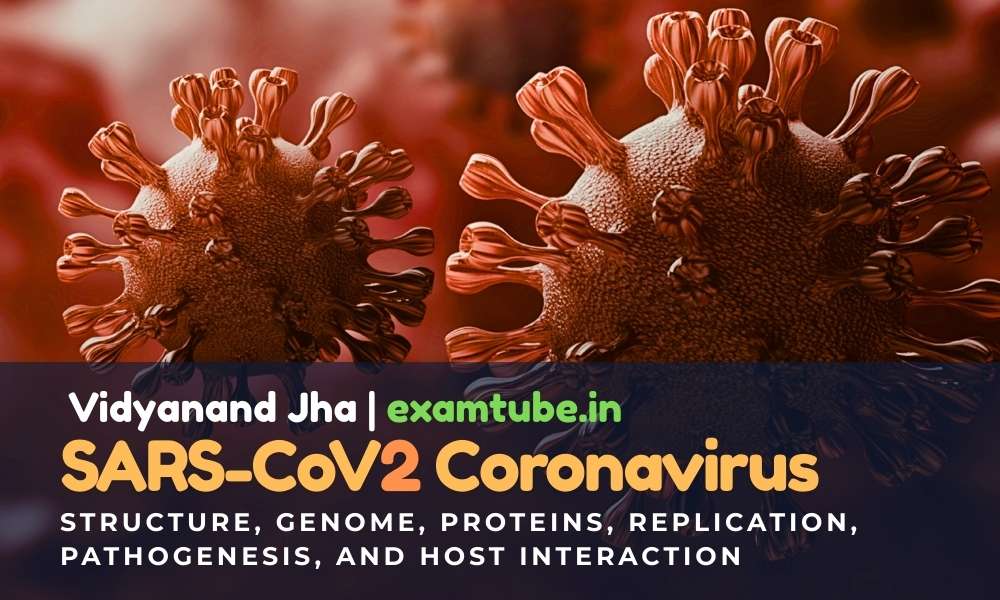
SARS-CoV-2 Coronavirus: Structure, Genome, Proteins, Replication, Pathogenesis, and Host Interaction
Coronavirus Overview Coronaviruses (CoVs) are enveloped viruses (surrounded by a lipid membrane derived from host cells), belonging to the s...
Discussion
Comments
Please log in to join the discussion.
Login to commentNo comments yet. Be the first to start the discussion.