
Practice question
Question
The opportunity that beckons India is to make optimal use of technology, management, entrepreneurship, and investments to overcome the challenges of this decade and beyond. Yesterday's goals cannot be a benchmark as India contemplates graduating to the company of the developed nations of the world. Our targets must be higher, our coverage more inclusive and above all, the methods to achieve must be unique. Since Independence, India as a nation has indeed made massive progress in almost every social and economic field. But, as we strive to have an economically developed nation by 2020, each incremental step opens up new vistas before us. After every few pages, we mark our place in history, heading for a new chapter of challenges not experienced earlier. Following a steady decline in world income - from about 33 per cent in 0 CE to around 25 per cent in 1600 CE - India's share declined even further during the British Raj, falling sharply from about 16 per cent in 1820 CE, to less than 4 per cent at the time of Independence. Since Independence, there has been a steady rise in income, and the per capita national product has increased by more than five times, from Rs. 5,700 in 1950 to about Rs. 32,000 in 2008, and today, India's share in world income - purchasing power parity (PPP) - stands at about 6.3 per cent. But while the economy has been growing steadily and poverty, as a percentage, declining steadily, the absolute number of people below the poverty line has been constant. Read the given passage and Match List I with List II. List I (India's share in world GDP) List II (Year) (A) 16 percent (I) 0 CE (B) 33 percent (II) 1820 CE (C) 25 percent (III) 1947 CE (D) 4 percent (IV) 1600 CE Choose the correct options given below :
Explanation
World income shares timeline shows 33% in 0 CE, 25% in 1600 CE, 16% in 1820 CE and under 4% at Independence in 1947. Matching these percentages to years yields pairing A-II, B-I, C-IV, D-III as historically accurate sequence.
Related blogs
Guides and insights connected to this topic
The Human Eye and Colourful World Notes - Eye Defects, Prism, Atmospheric Refraction and Scattering
Explore the human eye's structure—cornea, iris, lens, retina—and learn about defects, prism effects, atmospheric refraction and light scattering.
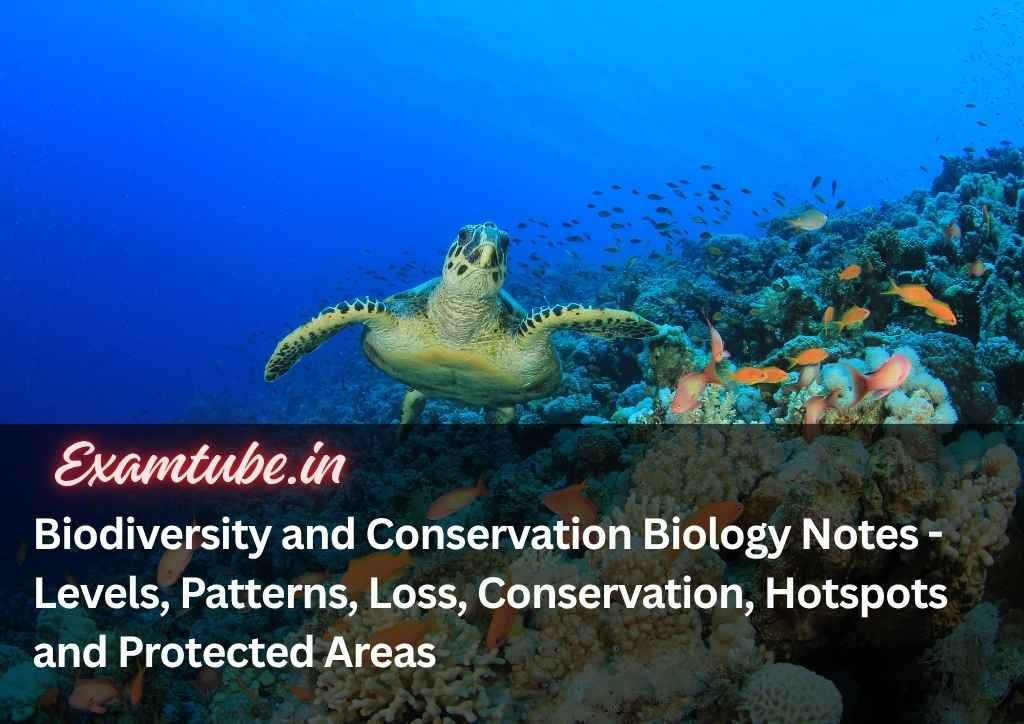
Biodiversity and Conservation Biology Notes - Levels, Patterns, Loss, Conservation, Hotspots and Protected Areas
Learn about biodiversity levels, patterns, loss, conservation strategies, hotspots and protected areas, with examples from India.

Human Health and Diseases Biology Notes - Common Diseases, Immunity, AIDS, Cancer, Drugs and Adolescence
Overview of common diseases, immune system basics, AIDS, cancer, drug effects and health considerations for adolescents.
Discussion
Comments
Please log in to join the discussion.
Login to commentNo comments yet. Be the first to start the discussion.