
Practice question
Question
Which protein prevents premature protein folding in the ER?
Explanation
During insertion into endoplasmic reticulum, nascent polypeptide must remain in extended unfolded conformation to pass through narrow Sec61 channel approximately two nanometers wide and to allow domain-wise folding only after full entry into oxidizing, calcium-rich lumen favorable for disulfide formation and N-glycosylation. Premature formation of stable secondary structure, hydrophobic collapse or helical hairpins inside ribosome exit tunnel or within translocon would block progress and cause jamming requiring ribosome-associated quality control rescue. Lumenal chaperone BiP contributes to holdase activity by binding incoming chain immediately after emergence: ATP-bound open BiP recruited by DnaJ domain of Sec63 co-chaperone captures hydrophobic segment, J-stimulated ATP hydrolysis converts BiP to ADP-bound closed high-affinity conformation clamping chain preventing backsliding and premature folding until entire domain entered. Nucleotide exchange factors Grp170 and Sil1 then release substrate for productive folding attempt assisted by PDI family and calnexin cycle. Cytosolic Hsp70 performs analogous holdase before targeting. This mechanism ensures vectorial entry, avoids formation of translocation-incompetent cytosolic aggregates and is essential for efficient secretory protein yield and correct membrane protein topogenesis and integration and cellular proteostasis.
Related blogs
Guides and insights connected to this topic

Biomolecules Biology Notes - Chemical Composition, Amino Acids, Lipids, Proteins, Nucleic Acids, Enzymes and Cofactors
Detailed biology notes on biomolecules. Learn chemical tissue analysis, amino acids, proteins, lipids, nucleic acids, and enzyme action.
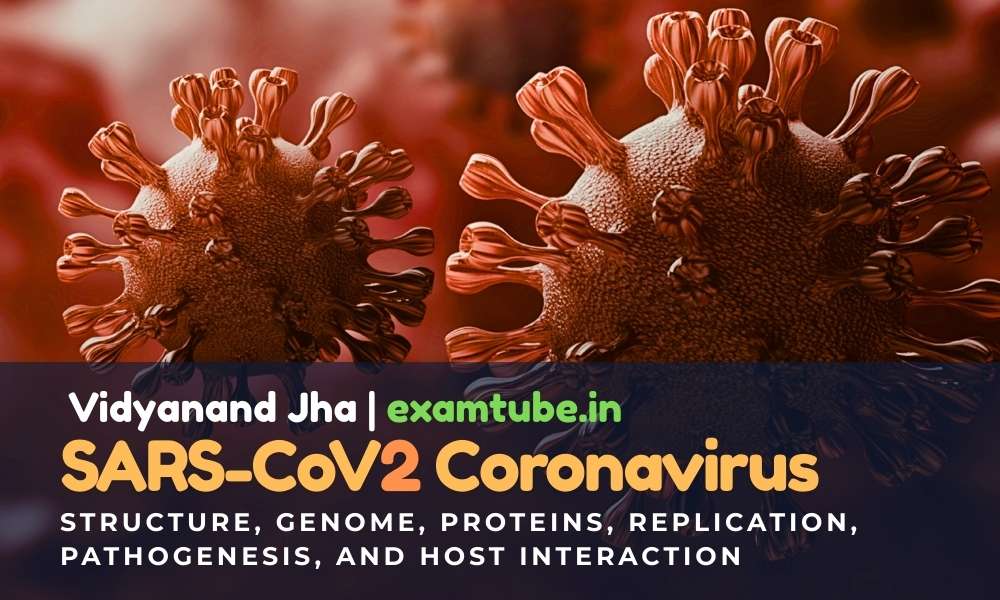
SARS-CoV-2 Coronavirus: Structure, Genome, Proteins, Replication, Pathogenesis, and Host Interaction
Coronavirus Overview Coronaviruses (CoVs) are enveloped viruses (surrounded by a lipid membrane derived from host cells), belonging to the s...

Coronavirus Structure, Genome, Replication, Symptoms, Pathogenesis, and Prevention
Structure of Coronavirus Coronaviruses (enveloped RNA viruses) fall in the virus family Coronaviridae, order Nidovirales. They are enveloped...
Discussion
Comments
Please log in to join the discussion.
Login to commentNo comments yet. Be the first to start the discussion.