
Practice question
Question
Which of the following lipids forms a thioester bond with cysteine?
Explanation
Distinction between cysteine lipidations clarifies regulation of membrane affinity. S-palmitoylation involves nucleophilic attack of cysteine thiolate on palmitoyl-CoA thioester producing thioester bond between sixteen-carbon saturated palmitate and side chain catalyzed by membrane-integrated DHHC zinc finger enzymes containing conserved Asp-His-His-Cys motif utilizing palmitoyl-CoA donor. This thioester is reversible rapidly cleaved by serine hydrolases APT1, APT2, PPT1 and ABHD17 allowing depalmitoylation cycles controlling localization of HRas trafficking between Golgi and plasma membrane, G-alpha subunits signal termination, synaptic scaffolds PSD-95 and glutamate receptors GluN2A. Hydroxylamine at neutral pH specifically hydrolyzes thioester providing biochemical diagnostic cleavage while thioether and amide resist. N-myristoylation forms stable amide to N-terminal glycine, prenylation forms thioether to C-terminal CAAX cysteine via farnesyltransferase or geranylgeranyltransferase resistant to hydroxylamine. GPI attachment uses amide to ethanolamine. Hence palmitic acid uniquely creates hydroxylamine-labile thioester with cysteine enabling dynamic raft association. Functional assays using hydroxylamine cleavage and metabolic labeling with alkyne palmitate analogues confirm dynamic palmitoylation turnover in living cells.
Related blogs
Guides and insights connected to this topic
Carbon and its Compounds Notes - Covalent Bond, Allotropes, Functional Groups, Ethanol, Ethanoic Acid and Soaps
Explore carbon’s covalent bonding, allotropes, functional groups, and examples like ethanol, ethanoic acid, and soaps. Includes basic properties and reactions.
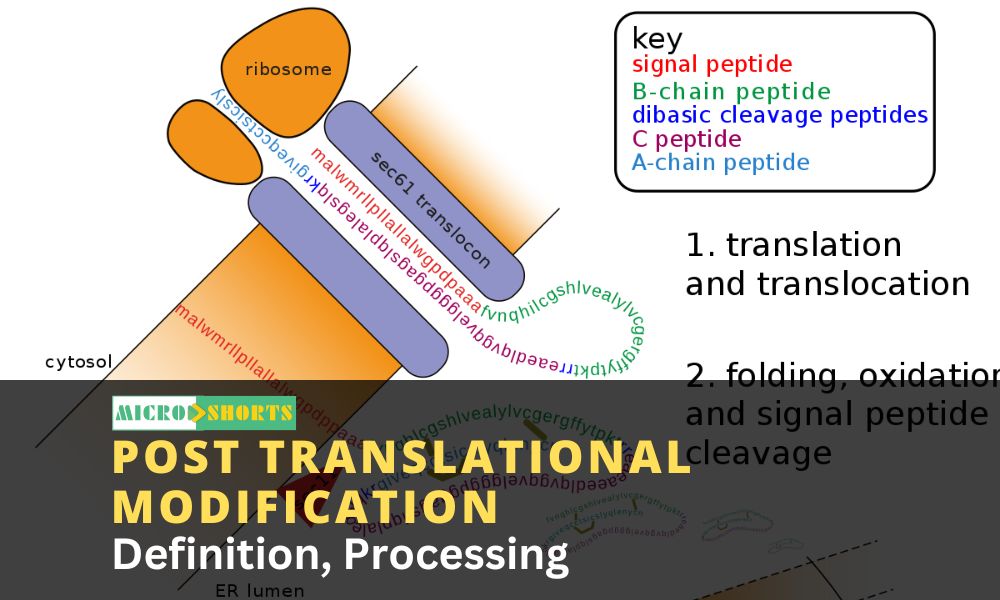
Post Translational Modification- Definition, Processing
Post-translational modifications refer to any alteration in the amino acid sequence of the protein after its synthesis. It may involve...
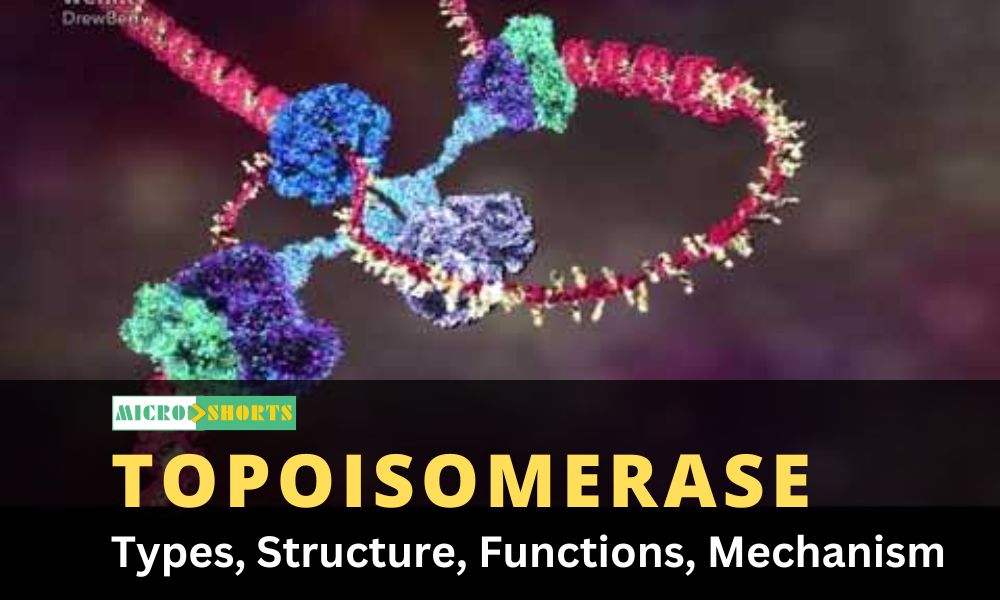
Topoisomerase: Types, Structure, Functions, Mechanism
Isomerase enzymes form or assist in forming isomers of any biological components. They assist in the rearrangement process of different biom...
Discussion
Comments
Please log in to join the discussion.
Login to commentNo comments yet. Be the first to start the discussion.