
Practice question
Question
Which structure is involved in lipid trafficking between organelles?
Explanation
Efficient movement lipids between organelles employs both vesicular carriers clathrin COPII COPI and non vesicular lipid transfer membrane contact sites where domain organization guides sorting specificity and lipid gradients. Vesicular pathway buds donor via coat proteins packaging lipids proteins, while lipid driven sorting trans Golgi network concentrates sphingolipids cholesterol GPI anchored proteins into rafts destined apical plasma membrane demonstrated sorting influenza hemagglutinin placental alkaline phosphatase independent cytosolic sorting signals tyrosine dileucine. Flotillin caveolin oligomers stabilize such domains recruiting cargo clustering via oligomerization forming carriers. Non vesicular transfer uses lipid transfer proteins CERT ceramide FAPP2 glucosylceramide OSBP ORP family sterol PI4P exchange at ER Golgi MCS tethering VAPA VAPB. Cytoskeleton provides tracks vesicle motors kinesin dynein, ribosomes synthesize proteins not traffic lipids. Thus lipid rafts function sorting platforms influencing lipid flow directionality polarity signaling, linking membrane biophysics secretory pathway organization relevant congenital disorders glycosylation lipid storage diseases affecting trafficking polarity maintenance cell migration immune synapse formation concepts examined cell biology biochemistry trafficking questions thoroughly for organelle communication mechanisms.
Related blogs
Guides and insights connected to this topic
Cell: The Building Block of Life Notes - Structure, Organelles, Division and Cell Theory
Explore the blog post 'Rest' covering goo time in a concise read.
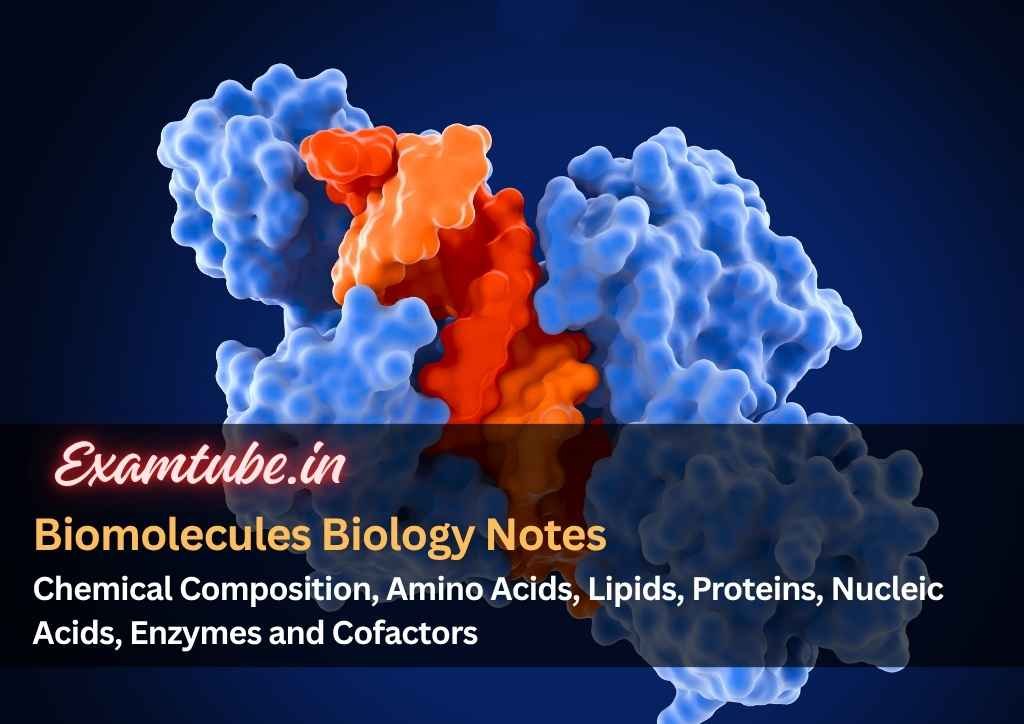
Biomolecules Biology Notes - Chemical Composition, Amino Acids, Lipids, Proteins, Nucleic Acids, Enzymes and Cofactors
Detailed biology notes on biomolecules. Learn chemical tissue analysis, amino acids, proteins, lipids, nucleic acids, and enzyme action.
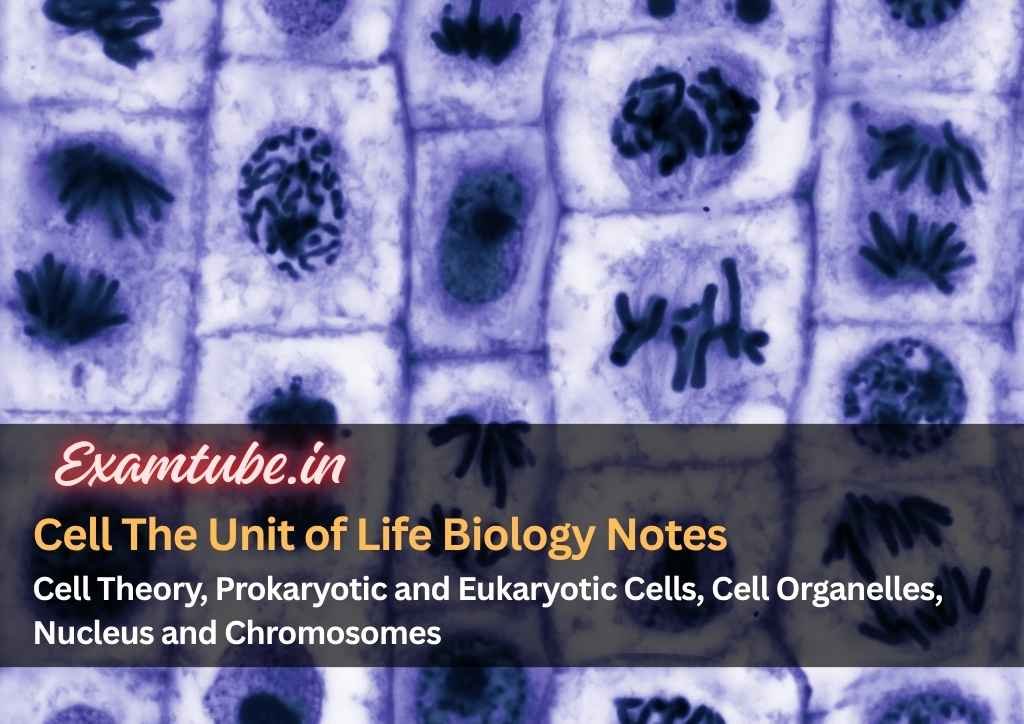
Cell The Unit of Life Biology Notes - Cell Theory, Prokaryotic and Eukaryotic Cells, Cell Organelles, Nucleus and Chromosomes
Notes on Cell: The Unit of Life covering cell theory, prokaryotic and eukaryotic cells, cell organelles, the nucleus and chromosomes.
Discussion
Comments
Please log in to join the discussion.
Login to commentNo comments yet. Be the first to start the discussion.