
Practice question
Question
Which of the following forms mixed bilayers with phosphoglycerides?
Explanation
Phosphoglycerides and sphingomyelin can co-assemble into stable mixed bilayers because both possess two hydrophobic tails and cylindrical geometry compatible with lamellar phase, unlike lysophospholipids that form micelles or cardiolipin that favors hexagonal inverted phases due to small headgroup. Sphingomyelin's fatty acid amidated to sphingosine resembles phosphatidylcholine's diacylglycerol moiety in hydrophobic thickness, allowing van der Waals matching and hydrophobic mismatch avoidance, enabling fluid mosaic continuity. Moreover sphingomyelin synthesis itself links the two classes: sphingomyelin synthase SMS1 and SMS2 in Golgi and plasma membrane transfer phosphocholine from phosphatidylcholine onto ceramide producing diacylglycerol signaling lipid activating protein kinase D. In model membranes, sphingomyelin-phosphatidylcholine mixtures exhibit miscibility with cholesterol-induced phase separation into liquid-ordered rafts, explaining outer leaflet enrichment and organization of GPI-anchored proteins. Cholesterol alone is too small with single hydroxyl to form bilayer alone, requiring phospholipid matrix, while phosphatidylinositol prefers inner leaflet due to polyphosphate negative charge. Thus sphingomyelin uniquely partners with phosphoglycerides to build heterogeneous mosaic bilayer with domains.
Related blogs
Guides and insights connected to this topic
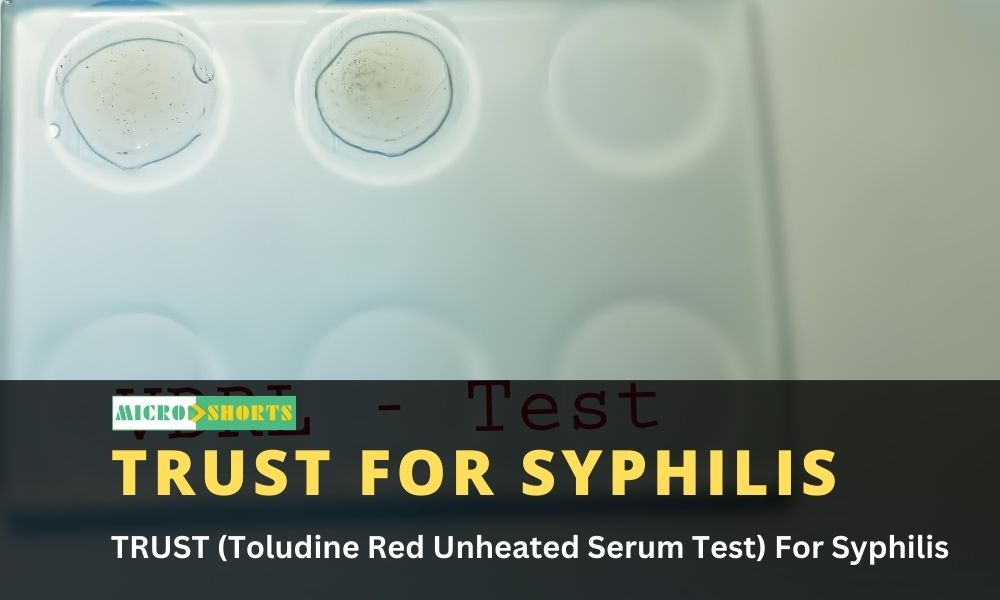
TRUST (Toludine Red Unheated Serum Test) For Syphilis
Principle The TRUST reagent containing modified VDRL antigen and toludine red pigment particles, flocclulate when mixed with sample containi...
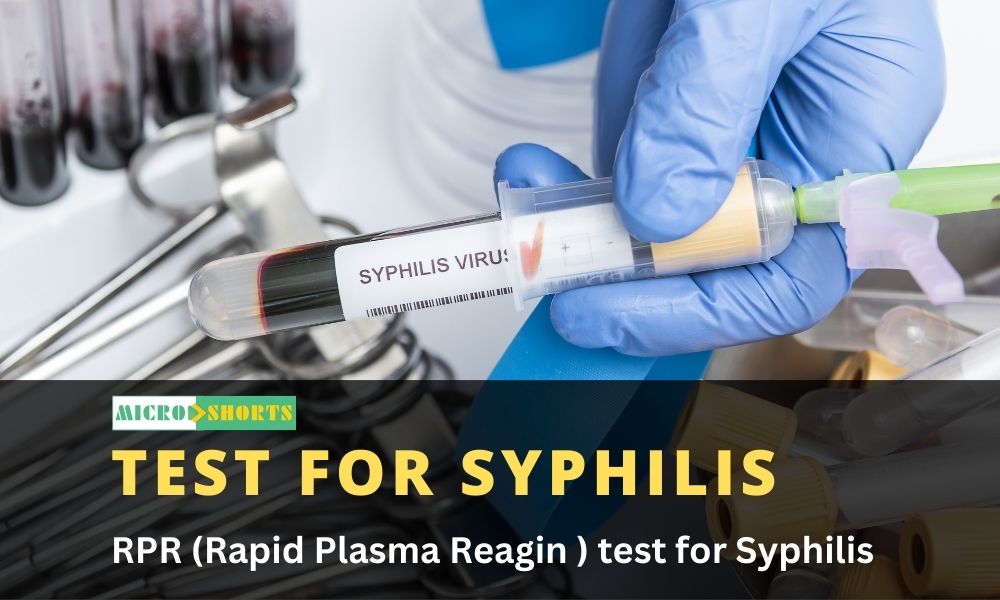
RPR (Rapid Plasma Reagin ) test for Syphilis
Principle The RPR reagent containing modified VDRL antigen and microparticulate carbon particles, flocculate when mixed with sample containi...
Tissues in Action Notes - Plant and Animal Tissues, Meristematic, Epithelial, Connective and Muscular
Explore how cells form tissues in plants and animals, covering meristematic, epithelial, connective and muscular types, and why their structures differ.
Discussion
Comments
Please log in to join the discussion.
Login to commentNo comments yet. Be the first to start the discussion.