
Practice question
Question
What is the role of bactoprenol in bacterial cell wall synthesis?
Explanation
Peptidoglycan precursor synthesis involves cytoplasmic steps generating lipid II, composed of N-acetylmuramic acid-pentapeptide linked to undecaprenyl pyrophosphate, a 55-carbon polyisoprenoid lipid carrier historically named bactoprenol. Bactoprenol is embedded in inner membrane with long hydrophobic tail anchoring within bilayer while pyrophosphate-linked disaccharide protrudes. Its function is to shuttle hydrophilic precursor across hydrophobic membrane barrier from cytoplasmic side where it is made to periplasmic side where polymerization occurs. After transfer of precursor to growing glycan chain by transglycosylases, undecaprenyl pyrophosphate remains and must be dephosphorylated to monophosphate by phosphatase UppP to regenerate carrier for next cycle, a step targeted by bacitracin antibiotic which sequesters pyrophosphate form. Without this recycling, synthesis stalls rapidly because cellular pool of undecaprenyl phosphate is limited to about 10^5 molecules per cell. Bactoprenol does not act as porin, provide energy for crosslinking, or degrade peptidoglycan; its role is purely logistical carrier function essential for cell elongation and septation, coupling cytoplasmic and extracytoplasmic phases of wall assembly.
Related blogs
Guides and insights connected to this topic
Tissues in Action Notes - Plant and Animal Tissues, Meristematic, Epithelial, Connective and Muscular
Explore how cells form tissues in plants and animals, covering meristematic, epithelial, connective and muscular types, and why their structures differ.
Cell: The Building Block of Life Notes - Structure, Organelles, Division and Cell Theory
Explore the blog post 'Rest' covering goo time in a concise read.
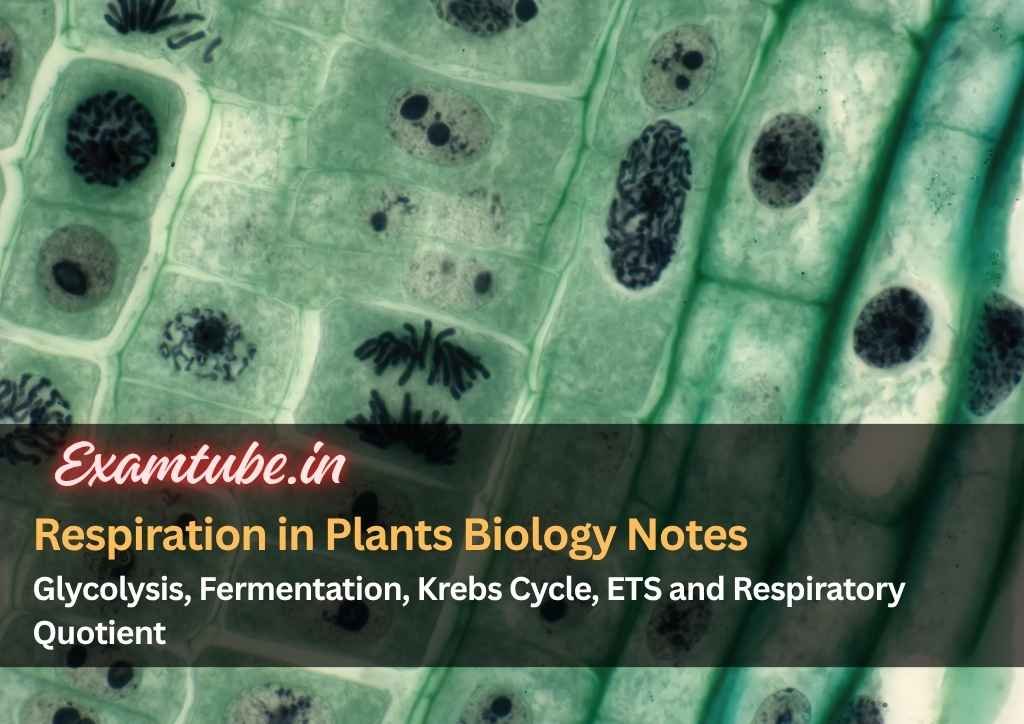
Respiration in Plants Biology Notes - Glycolysis, Fermentation, Krebs Cycle, ETS and Respiratory Quotient
Clear biology notes on cellular respiration in plants, covering glycolysis, fermentation, the Krebs cycle, ETS, and respiratory quotient.
Discussion
Comments
Please log in to join the discussion.
Login to commentNo comments yet. Be the first to start the discussion.