
Practice question
Question
What is the function of the spindle assembly checkpoint?
Explanation
Reliability of chromosome segregation depends on surveillance mechanism preventing anaphase until every chromosome correctly attached to spindle, because single missegregation yields aneuploid daughter prone to tumor development or cell death. Spindle assembly checkpoint monitors occupancy and tension at kinetochores, large protein structures assembled on CENP-A containing centromeric chromatin. Unattached kinetochores recruit Mad1-Mad2 complex that catalyzes conversion of cytosolic open Mad2 to closed form bound to Cdc20. Together with BubR1, Bub3, Mps1-phosphorylated Bub1 they assemble mitotic checkpoint complex MCC that diffuses to inhibit APC/C-Cdc20 ubiquitin ligase activity, blocking degradation of securin and cyclin B. Aurora B kinase at inner centromere phosphorylates Ndc80 complex under low tension destabilizing erroneous syntelic attachments, recreating unattached kinetochore that re-engages checkpoint. Upon biorientation where sister kinetochores attach to opposite poles generating tension, Mad1-Mad2 recruitment ceases, MCC disassembles, APC/C activates separase, and synchronous segregation proceeds, preventing errors. This circuitry is highly conserved across eukaryotes, integrating growth factor signals, DNA damage surveillance, and developmental cues, and its disruption frequently underlies oncogenesis, providing targets for checkpoint inhibitors and cancer therapeutics.
Related blogs
Guides and insights connected to this topic
Anaphase in Mitosis & Meiosis: Processes & Significance
What happens during anaphase: APC/C, securin, separase and cohesin, spindle microtubules, anaphase A and B in mitosis, and anaphase I and II in meiosis.
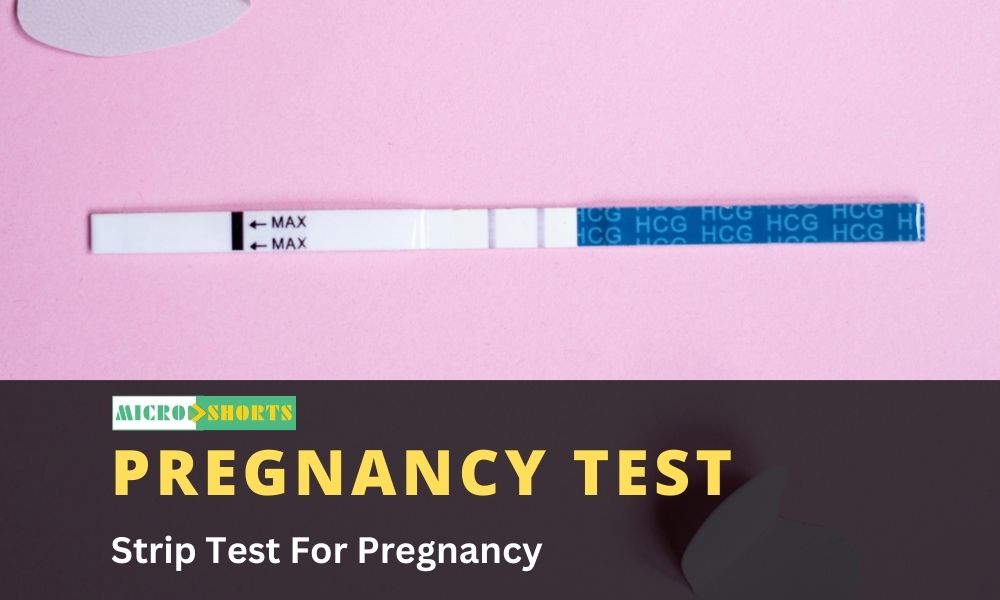
Strip Test For Pregnancy
Principle One step pregnancy test utilize the principle of Immunochromatography, A unique two site immunoassay on a membrane. As the test sa...
Tissues in Action Notes - Plant and Animal Tissues, Meristematic, Epithelial, Connective and Muscular
Explore how cells form tissues in plants and animals, covering meristematic, epithelial, connective and muscular types, and why their structures differ.
Discussion
Comments
Please log in to join the discussion.
Login to commentNo comments yet. Be the first to start the discussion.