
Practice question
Question
The permeability of the Gram-negative outer membrane is controlled by:
Explanation
Gram-negative outer membrane serves as molecular sieve preventing entry of large hydrophilic and hydrophobic antibiotics like vancomycin, daptomycin, and bile salts. Permeability is governed primarily by porins, abundant trimeric beta-barrel proteins forming water-filled diffusion channels with constrictions determined by internal loop L3. General porins OmpF and OmpC allow passive diffusion of molecules below about 600 daltons, including nutrients and some beta-lactams, dependent on charge and size. Specific porins like LamB and ScrY facilitate uptake of maltodextrins and sucrose via binding site within channel, increasing efficiency. Regulation of porin abundance through two-component system EnvZ-OmpR and small RNAs like MicF enables adaptation to osmolarity, pH, and antibiotic pressure, with porin loss conferring resistance to carbapenems. Lipoteichoic acids are Gram-positive polymers, peptidoglycan thickness controls lysozyme sensitivity in Gram-positives, and ether bonds characterize archaeal lipids not controlling Gram-negative permeability. Hence porins act as major determinants of outer membrane exclusion limit, linking envelope permeability to nutrient acquisition and intrinsic drug resistance mechanisms studied by Nikaido pioneering work.
Related blogs
Guides and insights connected to this topic
Plant Cell Structure and Organelles: Definition, Diagram, Functions
Learn what defines a plant cell, how it differs from an animal cell, and the structure and functions of its 14 major organelles with clear explanations and diagrams.
Animal Cell Structure, Diagram and Organelles – Definition, Types, Functions
Learn what defines an animal cell, its organelles, and how they differ from plant cells. Includes diagrams and clear explanations of cell structure and functions.
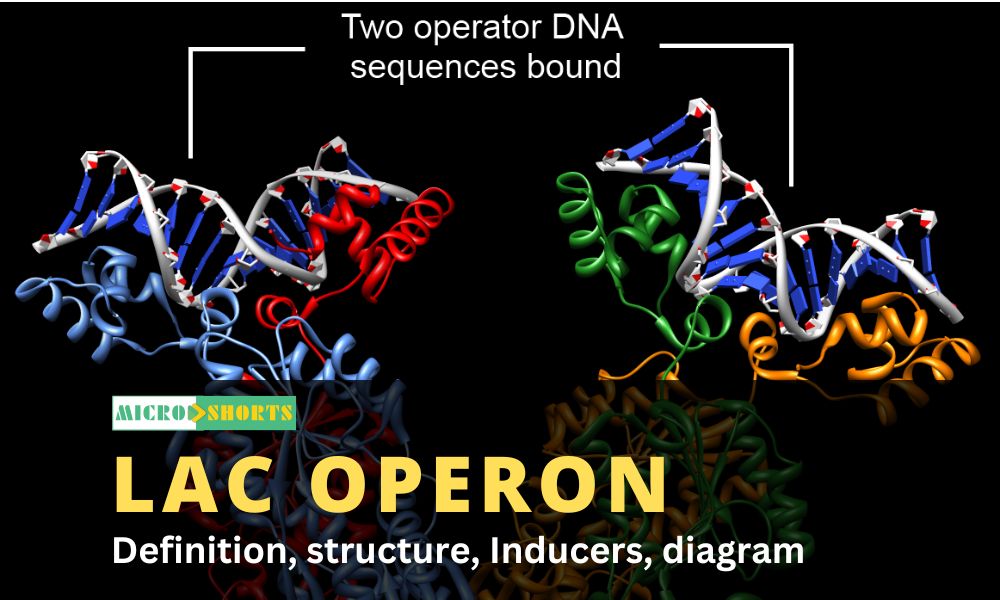
Lac operon- Definition, structure, Inducers, diagram
Lac operon definition The lactose or lac operon of Escherichia coli is a cluster of three structural genes encoding proteins invol...
Discussion
Comments
Please log in to join the discussion.
Login to commentNo comments yet. Be the first to start the discussion.