
Practice question
Question
Ion exchange for artificial seed formation involves sodium alginate and:
Explanation
Formation of artificial seed beads depends on ion exchange crosslinking reaction between sodium alginate and divalent cation source typically calcium nitrate Ca(NO3)2 or calcium chloride CaCl2. Sodium alginate is water soluble sodium salt of alginic acid; when droplets containing somatic embryos fall into calcium nitrate bath 50-100 millimolar, rapid exchange occurs sodium ions diffuse out calcium ions diffuse in binding cooperatively to guluronic acid residues of adjacent polymer chains forming junction zones described as egg box structure. Within seconds liquid alginate droplet transforms into firm insoluble calcium alginate hydrogel encapsulating embryo maintaining spherical shape. Calcium nitrate preferred over chloride in some protocols because nitrate supplies additional nitrogen nutrition for embryo growth during storage and germination while chloride can be toxic at high concentration. Hardening time 20-30 minutes determines mechanical strength, too short yields fragile beads prone to rupture during handling, too long yields hard beads impeding embryo emergence and oxygen diffusion. After hardening beads washed with sterilized water to remove excess calcium preventing inhibition of conversion and stored moistly until sowing in nursery or field.
Related blogs
Guides and insights connected to this topic

Breathing and Exchange of Gases Biology Notes - Respiratory System, Mechanism of Breathing, Lung Volumes, Gas Transport and Regulation
Clear biology notes on breathing and gas exchange. Learn human respiratory organs, breathing mechanics, and pulmonary gas transport.
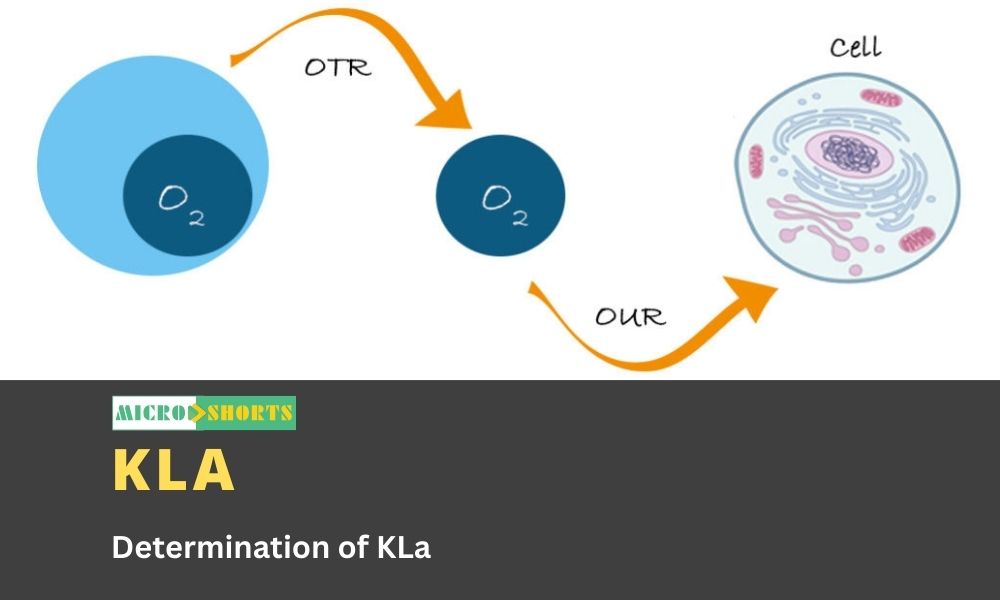
Determination of KLa
IntroductionThe volumetric liquid mass transfer coefficient (KLa) is a useful parameter to characterize the bioreactor's capacity for aerati...

Electrophoretic separation of protein by SDS-PAGE
IntroductionElectrophoresis is the process of migration of charged molecules in response to an electric field. The rate of migration depends...
Discussion
Comments
Please log in to join the discussion.
Login to commentNo comments yet. Be the first to start the discussion.