
Practice question
Question
Cells that grow freely in suspension include:
Explanation
Cells that proliferate freely without attachment are predominantly of hematopoietic origin including T lymphocytes, B lymphocytes, monocytes, neutrophils, erythroid progenitors, and leukemic lines derived from them such as Jurkat, Raji, THP-1. These cells physiologically exist in circulation or bone marrow where immobilization is unnecessary and survival signals arise from cytokines activating JAK-STAT pathways rather than integrin-ECM engagement. In culture they grow as spherical single cells or small clusters suspended in medium, requiring agitation only for oxygenation in large scale stirred tank or spinner flask systems. Passaging involves counting and dilution without enzymatic treatment preserving surface markers. Fibroblasts, epithelial cells such as HeLa, endothelial cells such as HUVEC, and muscle progenitors remain anchorage-dependent forming monolayers. Suspension growth facilitates large-scale production of monoclonal antibodies from hybridomas derived from B cell fusions, enabling industrial biotechnology. Understanding this distinction guides selection of flasks versus suspension bioreactors for process optimization. Stirred tank bioreactors with impellers provide homogeneous oxygenation supporting high density suspension expansion for manufacturing. This knowledge strengthens laboratory safety, protocol reproducibility, and regulatory compliance critical for translational research and clinical applications, ensuring reliable data and workforce protection.
Related blogs
Guides and insights connected to this topic
Patterns in Life: Diversity and Classification Notes - Five Kingdom, Binomial Nomenclature and Hierarchy
Learn about biodiversity, the five kingdoms, binomial nomenclature and taxonomic hierarchy, and why classification matters for ecosystems and agriculture.

Strategies for Enhancement in Food Production Biology Notes - Animal Husbandry, Plant Breeding, Biofortification, SCP and Tissue Culture
Key approaches in animal husbandry, plant breeding, biofortification, single cell protein and tissue culture to boost food output.
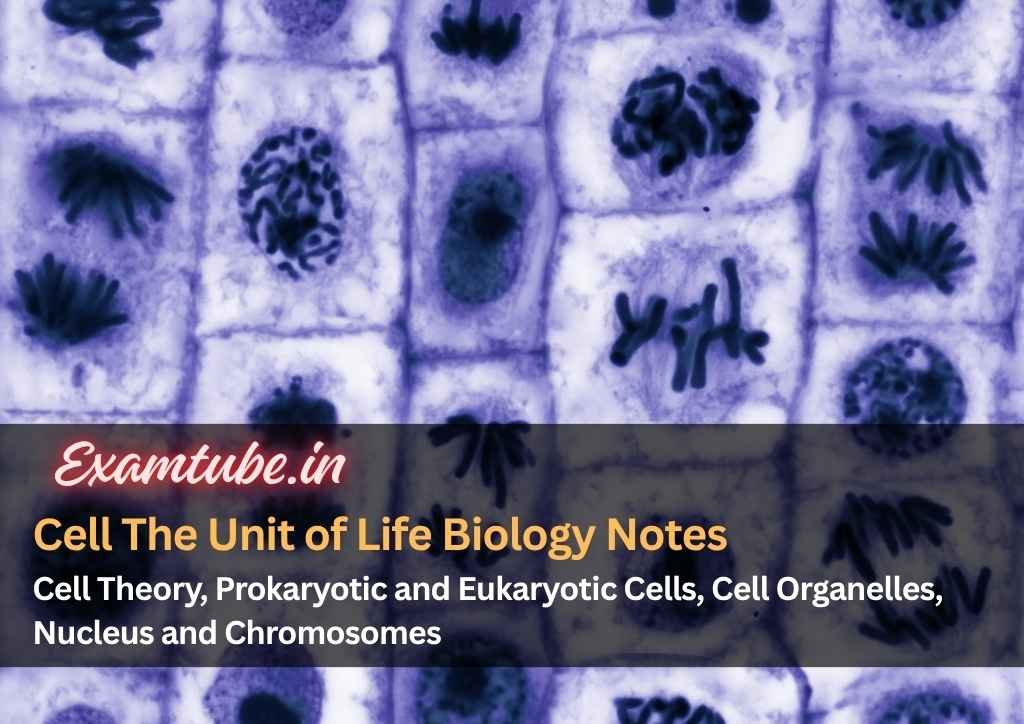
Cell The Unit of Life Biology Notes - Cell Theory, Prokaryotic and Eukaryotic Cells, Cell Organelles, Nucleus and Chromosomes
Notes on Cell: The Unit of Life covering cell theory, prokaryotic and eukaryotic cells, cell organelles, the nucleus and chromosomes.
Discussion
Comments
Please log in to join the discussion.
Login to commentNo comments yet. Be the first to start the discussion.