
Practice question
Question
Development of semi-dwarf wheat varieties is associated with:
Explanation
Semi-dwarf wheat traces its origin to Mexico through CIMMYT-led international breeding directed by Norman Borlaug in the 1950s and 1960s. The genetic foundation came from Japanese variety Norin 10 carrying Rht-B1b and Rht-D1b alleles that encode truncated DELLA proteins insensitive to gibberellin signaling, suppressing internode elongation while retaining grain number and photosynthetic capacity. Borlaug introgressed these dwarfing genes into American high-yielding backgrounds and selected photoperiod-insensitive, fertilizer-responsive, rust-resistant lines with stiff straw preventing lodging under heavy nitrogen application. Successive cycles of shuttle breeding between highland and lowland Mexican sites accelerated generation advance. By 1961 varieties such as Pitic 62, Penjamo 62, Lerma Rojo 64 and Sonora 64 yielded double national average, transforming Mexico into wheat exporter by 1963. These materials formed kernel of Green Revolution across South Asia, demonstrating strong genotype-environment adaptation for irrigated subtropical conditions. This understanding supports competitive exam preparation for NEET, GATE and CSIR NET concepts linking genotype with phenotype through molecular pathways involving transcription factors, hormones and metabolic enzymes that regulate development, adaptation and reproductive biology in applied breeding programs.
Related blogs
Guides and insights connected to this topic

Strategies for Enhancement in Food Production Biology Notes - Animal Husbandry, Plant Breeding, Biofortification, SCP and Tissue Culture
Key approaches in animal husbandry, plant breeding, biofortification, single cell protein and tissue culture to boost food output.
Sperm Cell (Spermatozoon): Structure, Parts, Spermatogenesis, Functions, and Male Infertility Disorders
Study the sperm cell (spermatozoon): head, neck, midpiece and tail structure, spermatogenesis in seminiferous tubules, functions, and male infertility disorders.
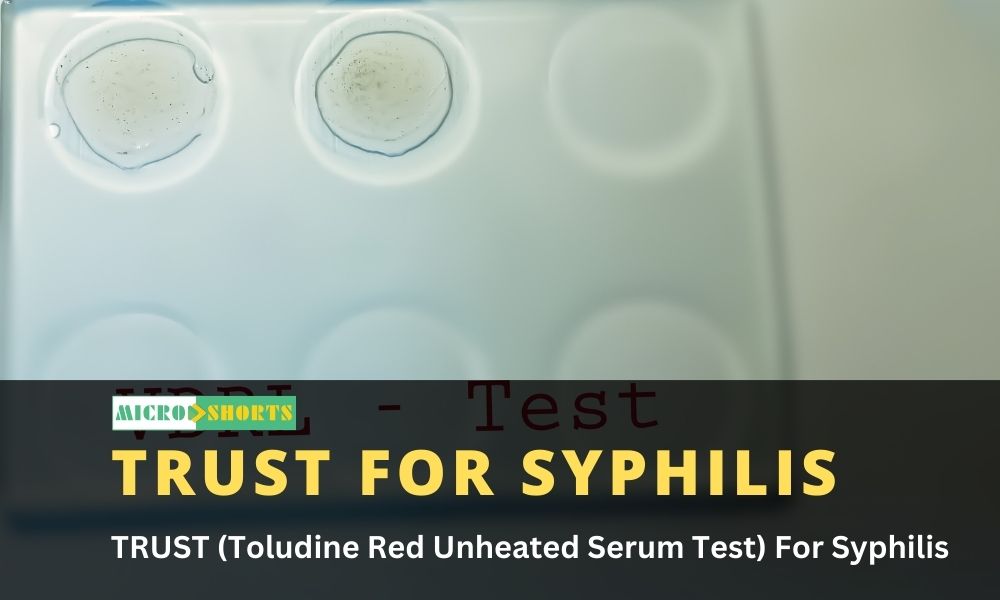
TRUST (Toludine Red Unheated Serum Test) For Syphilis
Principle The TRUST reagent containing modified VDRL antigen and toludine red pigment particles, flocclulate when mixed with sample containi...

Discussion
Comments
Please log in to join the discussion.
Login to commentNo comments yet. Be the first to start the discussion.