
Practice question
Question
Which of the following is a primary air pollutant?
Explanation
Nitric oxide is emitted directly during high-temperature combustion when atmospheric nitrogen and oxygen react, making it a primary pollutant. Once released, it is oxidised to nitrogen dioxide and participates in photochemical cycles. Ozone and peroxyacyl nitrate, including PAN, arise through atmospheric reactions involving nitrogen oxides, volatile organic compounds, and sunlight, so they are secondary pollutants. Exposure depends on concentration, duration, ventilation, weather, and individual susceptibility, so a pollutant's presence alone does not fully predict biological harm. Atmospheric inversions can trap contaminants near the surface, while wind, turbulence, precipitation, and chemical transformation determine their eventual distribution and removal. At organismal level, respiratory surfaces are especially exposed because large volumes of air contact thin, moist epithelia designed for rapid gas exchange. Sound classification links the source, atmospheric fate, exposure route, and mechanism of toxicity rather than relying only on the pollutant's name. Effective management combines cleaner fuels, emission standards, monitoring, urban planning, and protection of populations with high exposure or physiological vulnerability.
Related blogs
Guides and insights connected to this topic

Preparation of Bacteriological Growth Media
Nutrient AgarPrinciple Nutrient agar allow the growth of a variety of microorganisms that do not usually require specific nutrients or suppl...

Protein-Folding Dynamics
We know that the sequence of amino acids ultimately determines the three-dimensional structure of a protein. We also know that proteins can...
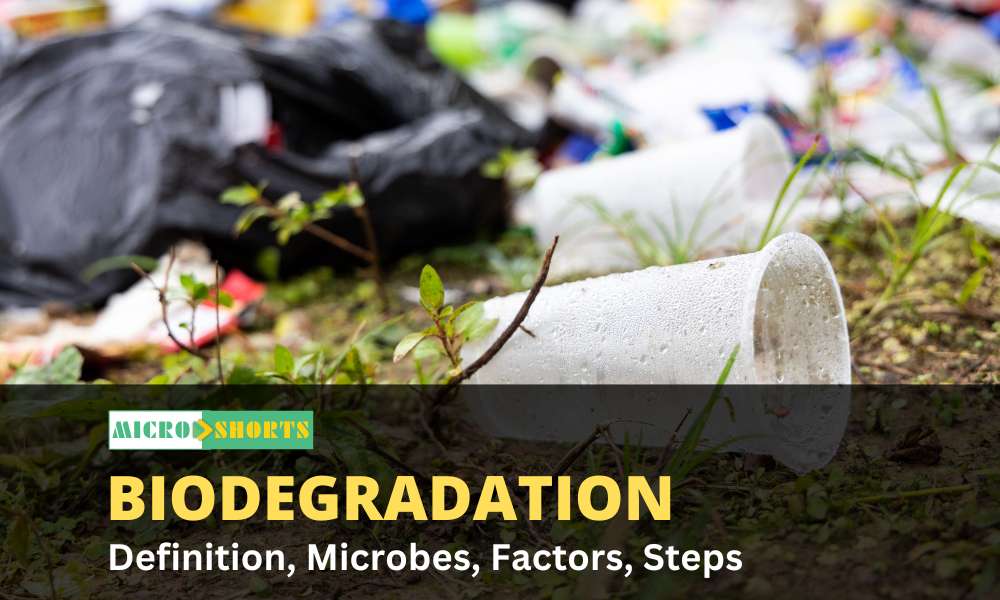
Biodegradation- Definition, Microbes, Factors, Steps
Biodegradation is a natural process, whereas Bioremediation is a man-made biotechnological process.Both these processes are very important f...
Discussion
Comments
Please log in to join the discussion.
Login to commentNo comments yet. Be the first to start the discussion.