
Practice question
Question
Which is NOT a feature of early successional species?
Explanation
Early-successional species are typically selected for rapid occupation of recently disturbed, well-lit habitats. They often produce many small, widely dispersed seeds, germinate quickly, grow rapidly, mature early, and complete relatively short life cycles. Shade intolerance is common because their high photosynthetic capacity performs best in open conditions, while dense later canopies suppress them. Slow growth therefore conflicts with the standard pioneer syndrome and is more characteristic of many late-successional species that conserve resources, tolerate shade, and invest in long-lived tissues. High dispersal lets pioneers reach unpredictable patches, and a short generation time allows quick reproduction before competition intensifies. These are tendencies, not universal rules: some pioneers are long-lived trees, and trait combinations vary with disturbance type and environment. Fast growth may also trade off against tissue durability, defence, and survival under resource scarcity. The keyed contrast follows this life-history logic. A newly opened site rewards speed and dispersal, whereas slow growth becomes advantageous only when efficient resource use and persistence matter more than immediate colonization.
Related blogs
Guides and insights connected to this topic
Biodiversity and Conservation Biology Notes - Levels, Patterns, Loss, Conservation, Hotspots and Protected Areas
Learn about biodiversity levels, patterns, loss, conservation strategies, hotspots and protected areas, with examples from India.
Organisms and Populations Biology Notes - Ecology, Abiotic Factors, Adaptations, Population Growth and Interactions
Covers organismal ecology, abiotic factors, adaptations, population growth and species interactions.
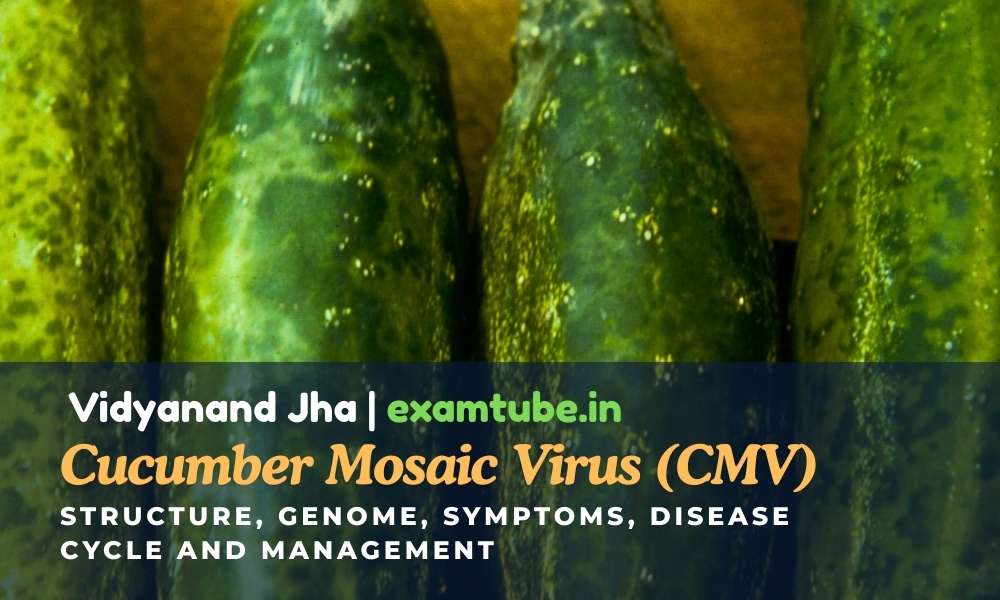
Cucumber Mosaic Virus (CMV): Structure, Genome, Symptoms, Disease Cycle and Management
Cucumber Mosaic Virus (CMV): Introduction and Importance Cucumber Mosaic Virus (CMV) (plant-infecting RNA virus) is one of the most economic...

Discussion
Comments
Please log in to join the discussion.
Login to commentNo comments yet. Be the first to start the discussion.