
Practice question
Question
The bacterial Gram-negative outer membrane contains:
Explanation
Envelope architecture differentiates Gram staining groups morphologically and chemically. Gram-negative bacteria possess dual membrane system separated by periplasm containing thin peptidoglycan two to six nanometers and proteins, hydrolytic enzymes. Inner membrane phospholipid bilayer standard contains respiratory chain. Outer membrane asymmetric: inner leaflet phosphatidylethanolamine phosphatidylglycerol, outer leaflet predominantly lipopolysaccharides LPS molecules comprising lipid A glucosamine disaccharide with six acyl chains anchoring membrane and conferring endotoxin activity stimulating TLR4 MD2 complex triggering cytokine storm, core oligosaccharide Kdo heptose, and O antigen polysaccharide hypervariable repeats determining serotype. Porins OmpC OmpF provide hydrophilic solute diffusion, efflux pumps tripartite AcrAB TolC expel antibiotics and bile salts. Braun lipoprotein covalently bridges outer membrane to peptidoglycan maintaining envelope integrity. Lipoteichoic acids and teichoic acids polymers glycerol ribitol phosphate unique Gram-positive walls binding cations conferring antigenicity structural support. Therefore outer membrane contains lipopolysaccharides LPS as signature molecule absent from Gram-positive, explaining innate immune activation, resistance to detergents, and sensitivity to chelators EDTA.
Related blogs
Guides and insights connected to this topic
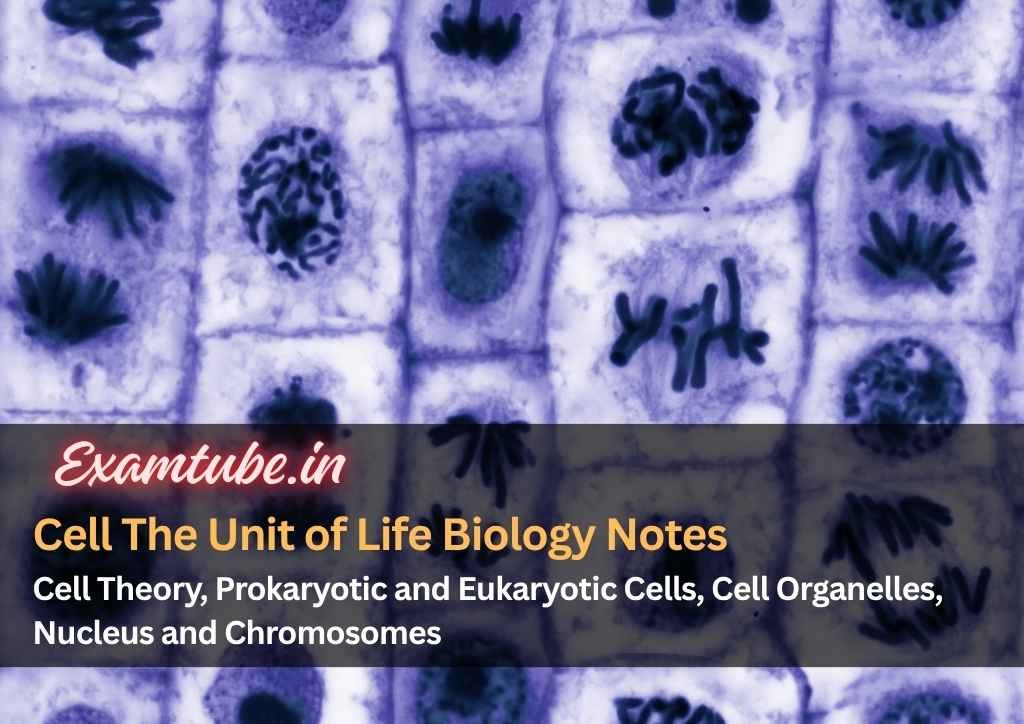
Cell The Unit of Life Biology Notes - Cell Theory, Prokaryotic and Eukaryotic Cells, Cell Organelles, Nucleus and Chromosomes
Notes on Cell: The Unit of Life covering cell theory, prokaryotic and eukaryotic cells, cell organelles, the nucleus and chromosomes.
Plant Cell Structure and Organelles: Definition, Diagram, Functions
Learn what defines a plant cell, how it differs from an animal cell, and the structure and functions of its 14 major organelles with clear explanations and diagrams.
Animal Cell Structure, Diagram and Organelles – Definition, Types, Functions
Learn what defines an animal cell, its organelles, and how they differ from plant cells. Includes diagrams and clear explanations of cell structure and functions.

Discussion
Comments
Please log in to join the discussion.
Login to commentNo comments yet. Be the first to start the discussion.