
Practice question
Question
Rituximab targets antigen:
Explanation
Rituximab represents first chimeric anti-cancer monoclonal antibody approved 1997 targeting CD20, a 33 to 37 kDa non-glycosylated tetra-span membrane phosphoprotein encoded by MS4A1 gene on chromosome 11q12 expressed on pre-B through mature B lymphocytes but absent on hematopoietic stem cells, pro-B cells and terminally differentiated plasma cells. Protein architecture comprises four transmembrane domains with short intracellular termini and two extracellular loops accessible for antibody binding. Physiologic function involves regulation of calcium flux through modulating B cell receptor signaling threshold, affecting activation and differentiation. Rituximab binding via Fab region to CD20 extracellular loop triggers multiple effector mechanisms: complement-dependent cytotoxicity via C1q recruitment and membrane attack complex formation, antibody-dependent cellular cytotoxicity mediated by Fc region engaging Fc-gamma-RIIIa on natural killer cells releasing perforin, direct apoptosis induction via cross-linking, lipid raft clustering and activation of caspase 3, and phagocytosis by macrophages. Specific lineage restriction allows B cell depletion in non-Hodgkin lymphoma, chronic lymphocytic leukemia, rheumatoid arthritis with subsequent regeneration from stem cells lacking CD20. Absence on other lineages minimizes off-target toxicity compared to CD4, CD8 or HER2 targets.
Related blogs
Guides and insights connected to this topic
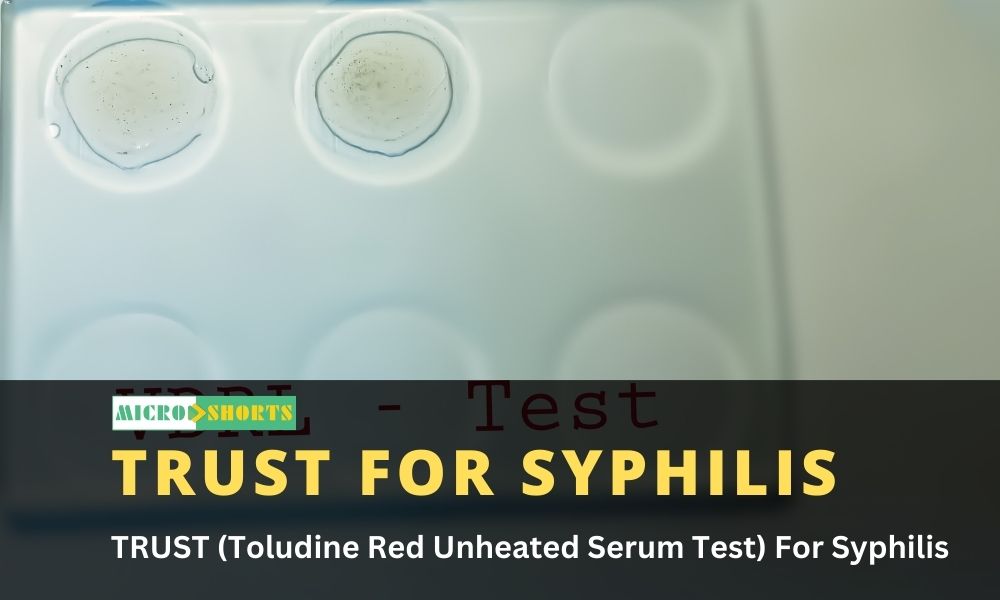
TRUST (Toludine Red Unheated Serum Test) For Syphilis
Principle The TRUST reagent containing modified VDRL antigen and toludine red pigment particles, flocclulate when mixed with sample containi...
RPR (Rapid Plasma Reagin ) test for Syphilis
Principle The RPR reagent containing modified VDRL antigen and microparticulate carbon particles, flocculate when mixed with sample containi...
Latex Test For C-reactive Protein
Principle This test based on the immunologic reaction between CRP as an antigen and latex particles have been coated with monospecific anti-...
Discussion
Comments
Please log in to join the discussion.
Login to commentNo comments yet. Be the first to start the discussion.