
Practice question
Question
In the pyramid of number, which level has the fewest organisms?
Explanation
The keyed tertiary-consumer response describes a typical upright pyramid of numbers, where abundance declines from many producers to fewer herbivores, secondary consumers, and top predators. Energetic limitation and large home ranges often make apex consumers scarce. However, the wording is not universally valid: number pyramids can be inverted or spindle-shaped, and parasitic food chains may contain many parasites per host. Thus tertiary consumers are usually few in a conventional grazing example, but the key is a context-dependent generalization and should be flagged as a mismatch. Turnover explains many apparent paradoxes: a small, fast-renewing stock can support a larger consumer stock without reversing the direction of energy transfer. Energy and matter should not be conflated: nutrients can cycle among levels, but respiratory heat cannot be recycled into chemically useful energy by the community. Pyramid shape is an accounting result with biological causes, including body-size distributions, tissue longevity, consumption, assimilation, respiration, and population turnover.
Related blogs
Guides and insights connected to this topic

Biodiversity and Conservation Biology Notes - Levels, Patterns, Loss, Conservation, Hotspots and Protected Areas
Learn about biodiversity levels, patterns, loss, conservation strategies, hotspots and protected areas, with examples from India.

Animal Kingdom Biology Notes - Basis of Classification, Non-Chordates, Chordates Phylum and Classes with Examples
Review Animal Kingdom biology notes. Explore levels of organization, body symmetry, non-chordates, and chordate phyla with examples.
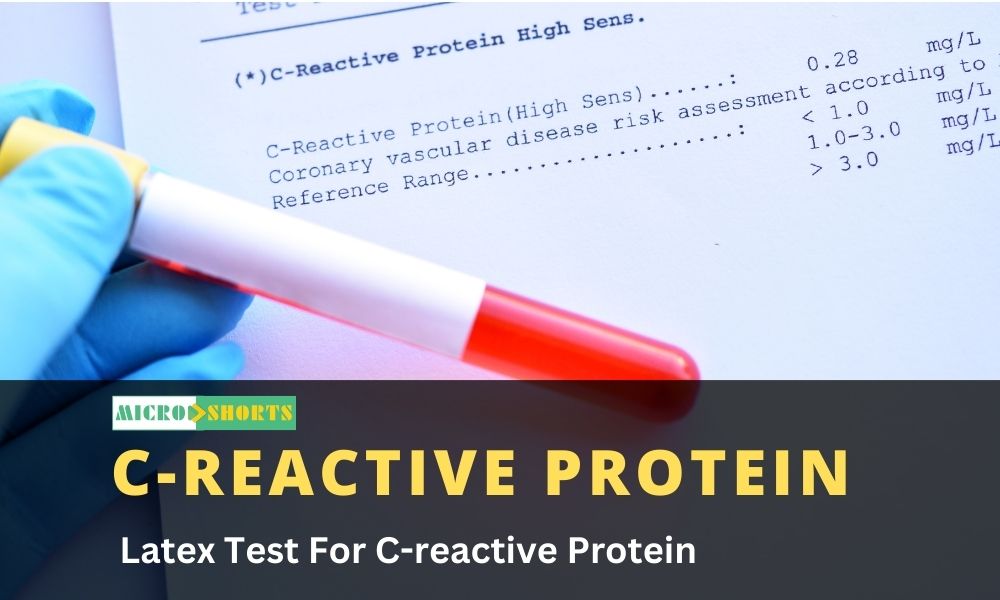
Latex Test For C-reactive Protein
Principle This test based on the immunologic reaction between CRP as an antigen and latex particles have been coated with monospecific anti-...
Discussion
Comments
Please log in to join the discussion.
Login to commentNo comments yet. Be the first to start the discussion.