
Practice question
Question
In OFT, if prey2 is more abundant but less profitable, predator should:
Explanation
A lower-ranked prey should not be accepted merely because it is abundant. In the classic optimal diet model, acceptance depends on whether its energy per handling time exceeds the average return expected from rejecting it and searching for more profitable prey. If prey 1 remains sufficiently available, consuming prey 2 would occupy handling time that could be spent obtaining a better item, so prey 2 is rejected. The density of prey 2 itself has little effect on this encounter decision because the choice is made after prey 2 has already been found. However, the statement is conditional: if preferred prey become scarce enough, the optimal diet broadens and the less profitable prey can be included. This interpretation follows ecological definitions based on effects on fitness, energy flow, behavior, and population performance. It also shows why superficially similar alternatives can represent different mechanisms once the direction of benefit, harm, or resource transfer is considered.
Related blogs
Guides and insights connected to this topic

Cucumber Mosaic Virus (CMV): Structure, Genome, Symptoms, Disease Cycle and Management
Cucumber Mosaic Virus (CMV): Introduction and Importance Cucumber Mosaic Virus (CMV) (plant-infecting RNA virus) is one of the most economic...

The Wobble Hypothesis: Definition, Statement, Significance
Introduction There are more than one codon for one amino acid. This is called degeneracy of genetic code. To explain the possible...
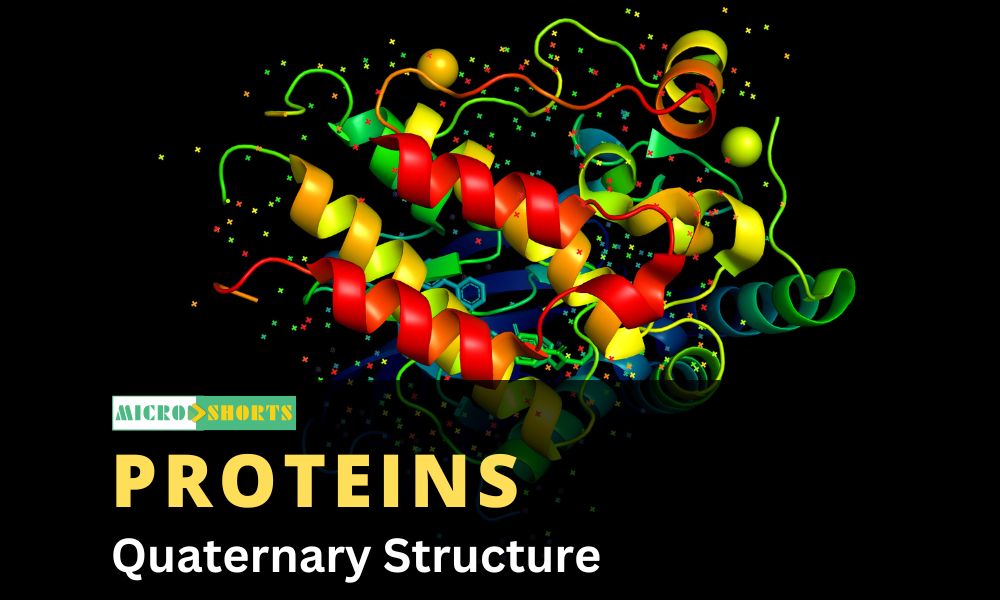
Quaternary Structure of Proteins
Quaternary structure is the final level of protein structure and pertains to proteins that consist of more than one polypeptide chain. Each...
Discussion
Comments
Please log in to join the discussion.
Login to commentNo comments yet. Be the first to start the discussion.