
Practice question
Question
Characteristic generally NOT true for invasive species:
Explanation
The keyed exception is “Less likely to invade species-rich ecosystems.” In the context of characteristic generally not true for invasive species, that statement differs from the governing ecological pattern and must be evaluated against the mechanism rather than accepted from wording alone. Species management must identify the demographic stage and ecological process that most strongly limits population growth. Prevention, early detection, removal, habitat manipulation, and biological control act at different points in an invasion or recovery trajectory. The remaining alternatives—“Greater phenotypic plasticity”, “High dispersal ability”, “High competitive ability”—refer to different states, processes, or scales and therefore do not express the same causal relationship. Effective control reduces propagule pressure or population growth without causing unacceptable non-target effects. Repeated monitoring is necessary because seed banks, dormant stages, recolonization, and density-dependent compensation can reverse short-term gains. This distinction matters because similar surface patterns can arise through different mechanisms, whereas ecological prediction depends on identifying the mechanism that actually changes rates.
Related blogs
Guides and insights connected to this topic
Homologous Chromosomes - Definition, Characteristics, Pairing in Meiosis, Nondisjunction and Significance
Learn about homologous chromosomes, their characteristics, pairing during meiosis, nondisjunction, and why they matter for genetics.
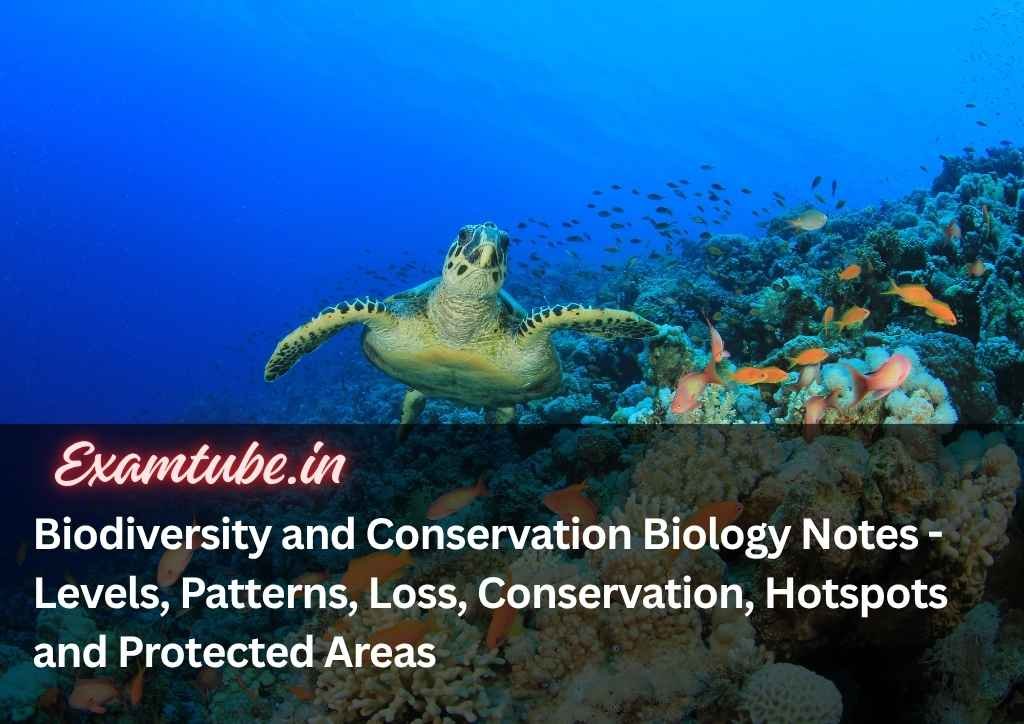
Biodiversity and Conservation Biology Notes - Levels, Patterns, Loss, Conservation, Hotspots and Protected Areas
Learn about biodiversity levels, patterns, loss, conservation strategies, hotspots and protected areas, with examples from India.
Organisms and Populations Biology Notes - Ecology, Abiotic Factors, Adaptations, Population Growth and Interactions
Covers organismal ecology, abiotic factors, adaptations, population growth and species interactions.

Discussion
Comments
Please log in to join the discussion.
Login to commentNo comments yet. Be the first to start the discussion.