
Practice question
Question
Bacillus thuringiensis produces insecticidal protein called:
Explanation
During late sporulation, Bacillus thuringiensis forms intracellular parasporal crystals alongside spores. Protein components are protoxins referred to as delta-endotoxins because they act within insect midgut after ingestion and are endotoxin-like in crystal formation. Sequence classification divides them into Cry families sharing three-domain structure: domain I seven antiparallel alpha-helices responsible for pore formation, domain II beta prism determining receptor specificity, domain III beta sandwich stabilizing structure. Crystal solubilization requires alkaline pH above 9.5 common in lepidopteran midgut, releasing 130 kDa protoxin trimmed by proteases to active core. Alternative toxins such as beta-exotoxins are thermostable secreted nucleotides with mammalian toxicity, distinct from crystal delta-endotoxins. Understanding delta classification clarifies why Bt sprays are insect specific and environmentally benign, and why genes encoding these crystals form basis for transgenic insect-resistant crops expressing truncated Cry proteins in green tissues. Structural studies reveal domain I composed of eight alpha-helices forming bundle, domain II three beta sheets with variable loops determining specificity, domain III beta-sandwich involved in receptor binding and pore stabilization. Crystal lattice dissolves above pH 10. This architecture of delta-endotoxin rationalizes specificity and informs protein engineering to broaden host range or overcome resistance via domain swapping and loop mutagenesis strategies.
Related blogs
Guides and insights connected to this topic
Biotechnology and Its Applications Biology Notes - GM Crops, Bt Cotton, RNAi, Insulin, Gene Therapy, Transgenic Animals and Bioethics
Discusses GM crops, Bt cotton, RNAi, insulin production, gene therapy, transgenic animals and bioethical considerations.
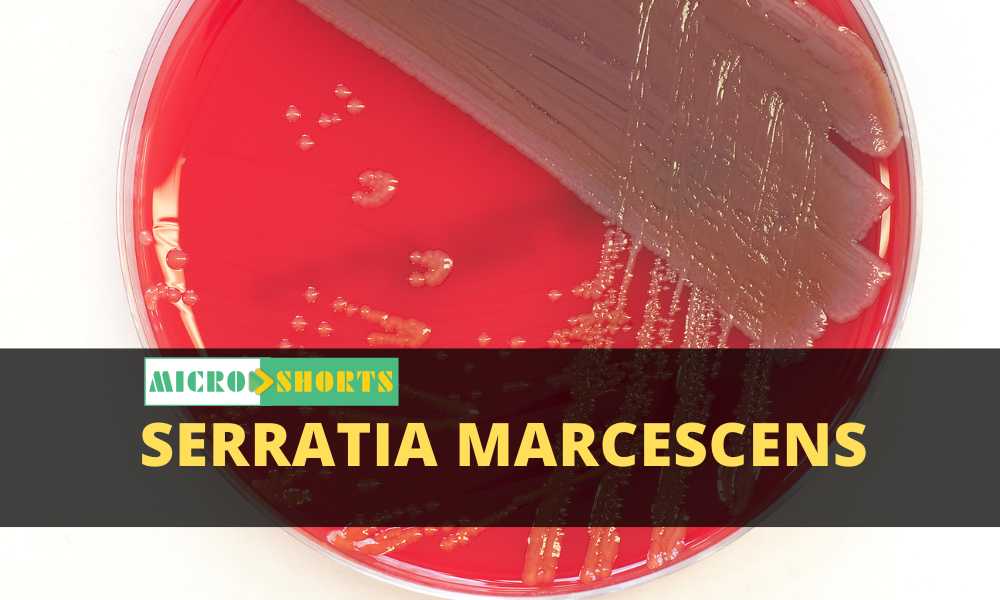
Serratia marcescens- An Overview
IntroductionSince the 1990s, Serratia marcescens, a gram-negative bacillus categorized as an Enterobacteriaceae member, has been known...
Experiment 16: Flash Cards / Models / Specimens Showing Examples of Homologous and Analogous Organs
AIM To study homology and analogy with the help of models/charts of animals and models/charts/specimens of plants. PRINCIPLE Homologous organs are functionally dissimilar but anatomically or structurally similar. Different modes of life have modified the organs to enable survival...

Discussion
Comments
Please log in to join the discussion.
Login to commentNo comments yet. Be the first to start the discussion.