
Practice question
Question
Amoeboid movement occurs through
Explanation
Amoeboid movement represents actin-mediated cell crawling observed in Amoeba proteus, entamoebae and slime molds. Polymerization of G-actin into F-actin filaments at leading edge pushes plasma membrane forward, forming lobose or filose pseudopodia filled with endoplasm and ectoplasm. Myosin II contraction at posterior retracts cell body, coupled with sol-gel transitions of cytoplasm. This mechanism enables phagocytosis and substrate exploration without cilia or flagella, distinguishing true pseudopodial locomotion from axonemal-based systems driven by dynein-microtubule sliding, allowing directional chemotaxis toward prey. This receptor-mediated actin remodeling allows rapid engulfment of bacteria, algae and detritus particles essential for heterotrophic protists.
Related blogs
Guides and insights connected to this topic
Locomotion and Movement Biology Notes - Muscle Types, Sarcomere Structure, Sliding Filament Theory, Skeletal System and Joints
Covers voluntary locomotion, muscle classifications, sarcomere structure, sliding filament theory and skeletal joint basics.

Biological Classification Biology Notes - Five Kingdom System, Monera, Protista, Fungi, Plantae, Animalia, Viruses, Viroids, Prions and Lichens
Biological classification notes on Aristotle's and Linnaeus's systems, the five kingdom system by Whittaker, the three-domain system, viruse...
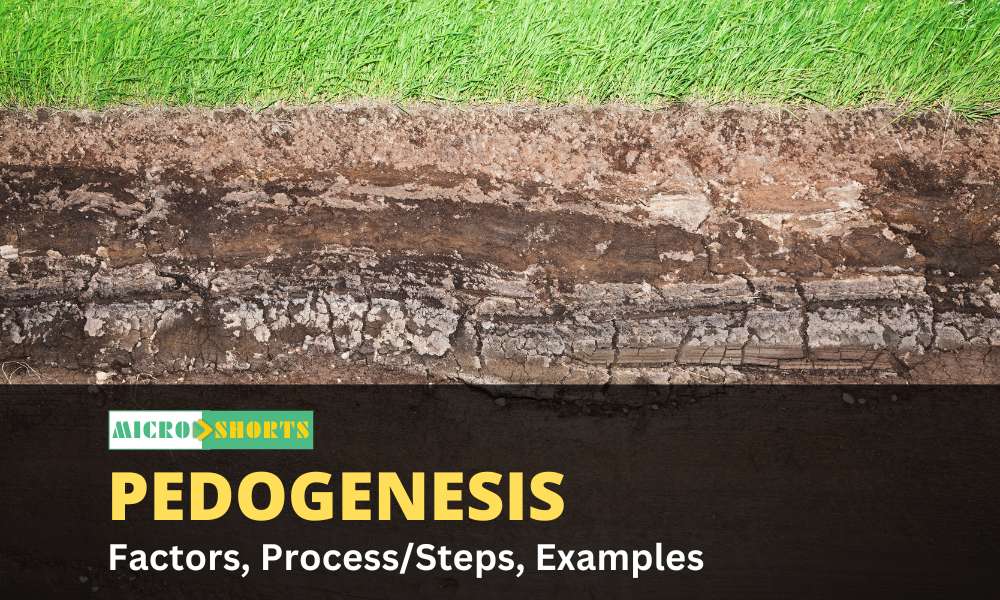
Soil Formation (Pedogenesis)- Factors, Process/Steps, Examples
Soil Formation Definition Soil formation or pedogenesis is the process of evolution of soil under the influence of various physical, bi...
Discussion
Comments
Please log in to join the discussion.
Login to commentNo comments yet. Be the first to start the discussion.