
Practice question
Question
A vaccine is best defined as:
Explanation
A vaccine is best defined as immuno-biological product containing all or part of microorganism or its products, synthetic or recombinant antigens, mRNA or viral vector engineered to express antigen, formulated to induce active acquired protective immunity against specific infectious disease or tumor without causing disease itself. It comprises immunogenic principle plus diluents, stabilizers such as sucrose, surfactants, buffers maintaining pH, preservatives like 2-phenoxyethanol preventing bacterial contamination in multidose vials, and sometimes adjuvants aluminum salts, MF59, AS01 enhancing innate activation. Quality attributes include potency measured by in vitro ELISA or in vivo challenge, sterility, purity, safety, absence of extraneous agents. Unlike antibiotics that directly kill bacteria by targeting cell wall synthesis, antibiotics are therapeutic chemotherapeutics, vaccines prophylactic training host defense. Mechanism involves antigen presentation, germinal center formation, affinity maturation, memory generation measurable as neutralizing antibody titer correlate of protection. Vaccines classified prophylactic preventing infection, therapeutic treating existing disease like therapeutic cancer vaccines targeting neoantigens. Definition emphasizes immunity induction rather than direct pathogen killing, distinguishing immunobiological from chemical drug or metabolic inhibitor categories.
Related blogs
Guides and insights connected to this topic

How Covishield cause Heart Attack?
IntroductionThe SARS-CoV-2 pandemic has been one of the most significant global health crises in human history. While numerous therapeutic s...
Understanding the Mechanism: How Covishield Vaccine Lead to Blood Clots and Low Platelet Count
Introduction SARS-CoV-2 pandemic is one of the most critical pandemics during human civilization. Several therapeutic strategies for COVID-1...
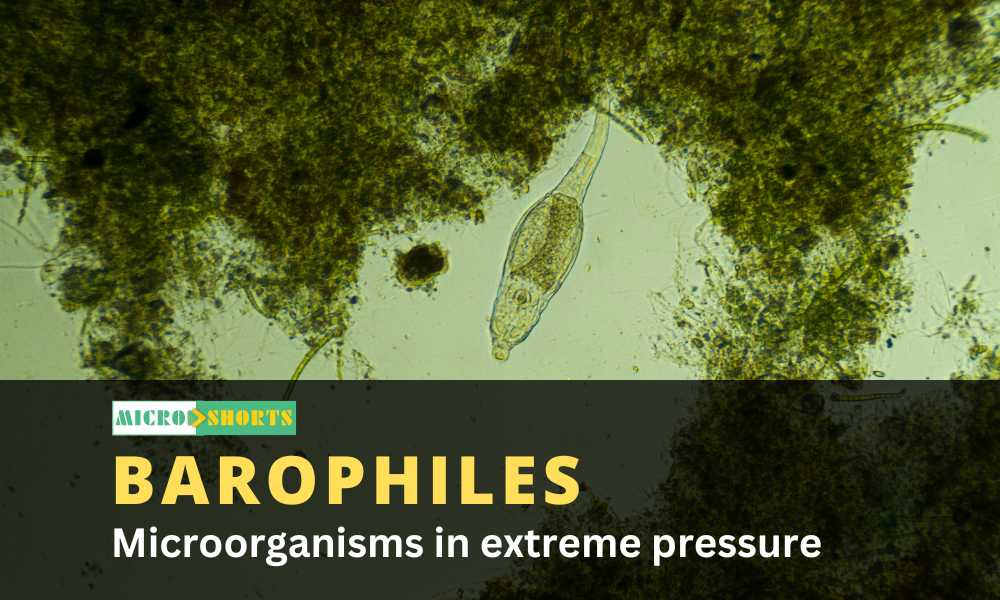
Microorganisms in extreme pressure (Piezophiles/ Barophiles)
Piezophile Definition and CharacteristicsBarophiles are defined as organisms that grow and thrive optimally at pressures greater than atmosp...
Discussion
Comments
Please log in to join the discussion.
Login to commentNo comments yet. Be the first to start the discussion.