
Practice question
Question
Which subunit of Na+/K+ ATPase is responsible for ATP hydrolysis?
Explanation
Na+/K+ ATPase catalytic function resides entirely in alpha subunit approximately 1000 amino acids organized into three cytoplasmic domains and ten transmembrane segments. N domain contains adenine binding pocket including Lys480, Arg544 interacting with ATP ribose and phosphates. P domain harbors DKTGTLT motif where Asp369 undergoes transient phosphorylation receiving gamma phosphate forming energy rich intermediate essential for conformational switching, and TGES motif in A actuator domain mediates dephosphorylation. Ion binding residues Glu327, Glu776, Asp804, Asp808, Thr797 line cavity in M4-M6, M8 coordinating sodium and potassium with alternating high low affinity. Mutations in alpha abolish phosphoenzyme formation and transport, ouabain binds in transmembrane vestibule locking E2P. Beta subunit single pass glycoprotein about 300 amino acids does not contain nucleotide binding or acid stable phosphorylation nor ion occlusion capacity. Its roles assembly, glycosylation trafficking via ER quality control, modulation of K+ affinity and cell adhesion signaling. Gamma FXYD small single span regulates kinetics tissue specifically. Therefore ATP hydrolysis responsibility assigned to alpha subunit catalyzing phosphorylation and energy coupling.
Related blogs
Guides and insights connected to this topic
Structure of E. coli RNA Polymerase
Subunits of E. coli RNA Polymerase:E. coli RNA polymerase has a unique crab claw-like shape, with a cylindrical channel that binds 16 base p...

Prokaryotic and Eukaryotic RNA Polymerase
Introduction Ribonucleic Acid (RNA) Polymerase (RNAP) enzyme is a multi-subunit enzyme that applies its activity in the catalyzation of...
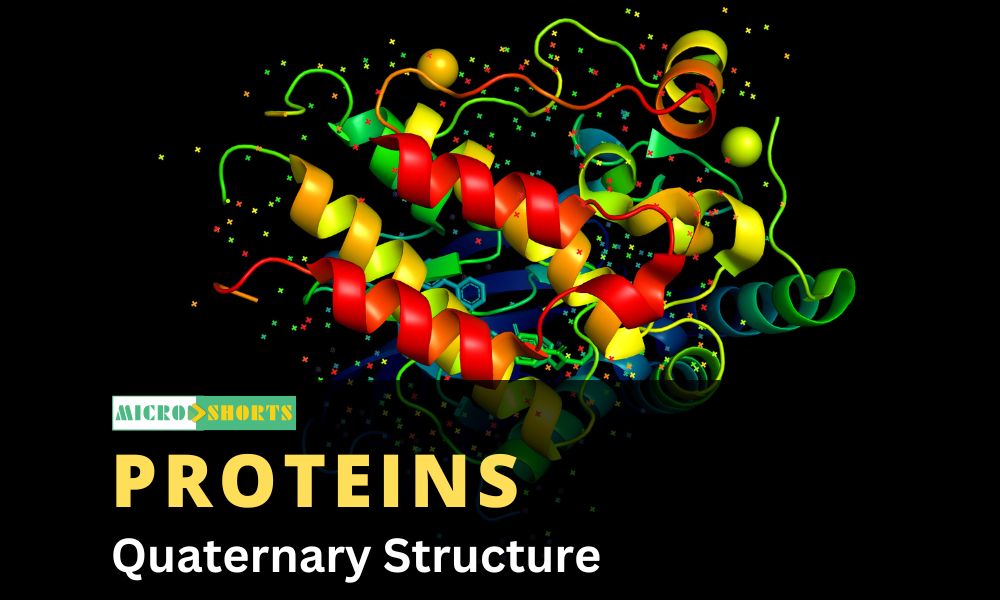
Quaternary Structure of Proteins
Quaternary structure is the final level of protein structure and pertains to proteins that consist of more than one polypeptide chain. Each...
Discussion
Comments
Please log in to join the discussion.
Login to commentNo comments yet. Be the first to start the discussion.