
Practice question
Question
Which characteristic of sterols makes them amphipathic?
Explanation
Amphipathicity requires coexistence within single molecule hydrophilic region capable electrostatic hydrogen bonding interactions water and hydrophobic region driving entropic exclusion aggregation to minimize hydrocarbon water contact. Sterols satisfy this by small three beta hydroxyl group donating hydrogen bond acting polar anchor positioned near phospholipid glycerol carbonyl interface extracellular leaflet oriented aqueous phase while bulk consists four fused cyclopentanoperhydrophenanthrene rings three six membered one five membered plus branched isooctyl chain eight carbons providing large nonpolar surface interacting via London dispersion forces with acyl chains inserting deep hydrophobic core. This Janus topology yields minimal aqueous solubility about one nanomolar preferring bilayer insertion over micellization vesicle formation. Multiple fatty acid chains define triacylglycerol hydrophobic bulk storage not amphipathic, micelle formation typical lysophospholipids large head small tail high positive curvature, high water solubility opposite sterol property hydrophobic. Understanding both hydroxyl hydrocarbon regions clarifies why sterols cannot form bilayers alone but intercalate regulating order rigidity permeability curvature elasticity membrane physiology pharmacology statins targeting HMGCoA reductase synthesis pathway and raft formation modulation for signaling regulation therapeutic considerations.
Related blogs
Guides and insights connected to this topic
Homologous Chromosomes - Definition, Characteristics, Pairing in Meiosis, Nondisjunction and Significance
What are Homologous Chromosomes? Homologous chromosomes are pairs that share similar length, shape, centromere position and genetic content. Chromosomes are genetic material in nucleus made of DNA and proteins. Carry genes at same loci - same set of genes. One homolog from each p...

Zoonotic Spillover in Bats: Causes, Consequences, and Future Preparedness
Bats: General Characteristics and Classification Bats are small mammals capable of true sustained flight. They belong to the second-largest...
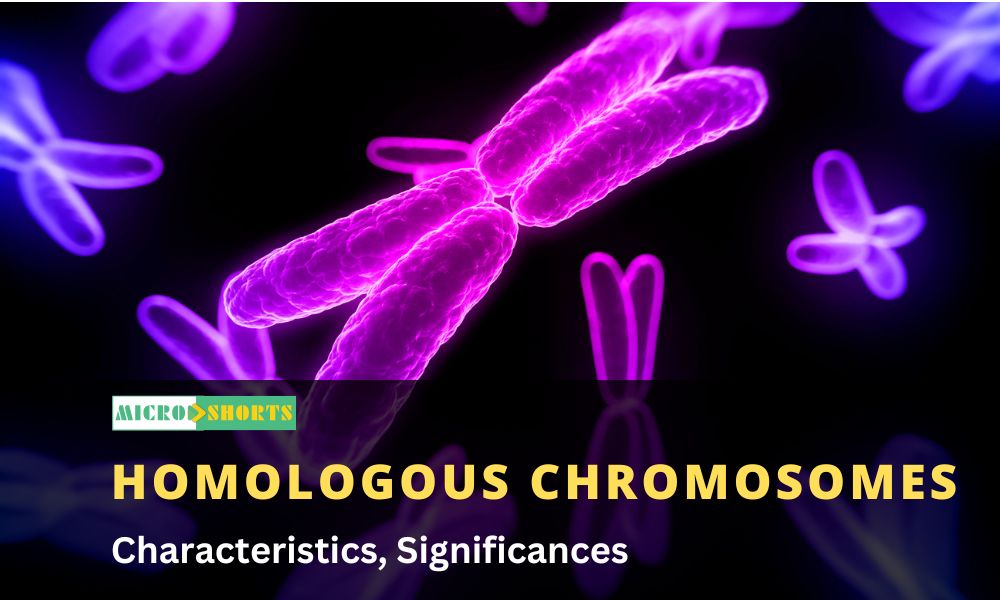
Homologous Chromosomes: Characteristics, Significances
Chromosomes are essential components of the genetic material located in the nucleus of cells. They are thread-like structures that...
Discussion
Comments
Please log in to join the discussion.
Login to commentNo comments yet. Be the first to start the discussion.