
Practice question
Question
The voltage-dependent anion channel (VDAC) is located in the:
Explanation
Exchange of metabolites between cytosol and mitochondria requires regulated permeability across the outer membrane, which unlike inner membrane does not maintain large electrochemical gradient. Voltage-dependent anion channel, VDAC, also called mitochondrial porin, forms the major outer membrane channel present in thousands of copies. Mammalian cells express three isoforms VDAC1, VDAC2 and VDAC3 that assemble as 19-stranded beta-barrel pores with N-terminal helix gating, permitting diffusion of ions, ATP, ADP, succinate, citrate, malate, NADH and other molecules up to about 5 kDa with cut-off around 3 nanometers. Open probability is modulated by membrane potential, although physiological voltage gating remains debated, and by interactions with hexokinase II enhancing glycolysis coupling, Bcl-2 family proteins Bax/Bak regulating apoptosis, and dimeric tubulin restricting metabolite flux during low energy demand. VDAC also serves as scaffold for cytosolic kinases and participates in calcium transfer via contacts with endoplasmic reticulum IP3 receptors through Grp75 and Mitofusin 2 at mitochondria-associated membranes. By controlling ADP influx and ATP efflux, it couples cytosolic energy demand to oxidative phosphorylation and influences cytochrome c release and oligomerization during outer membrane permeabilization initiating intrinsic apoptosis.
Related blogs
Guides and insights connected to this topic
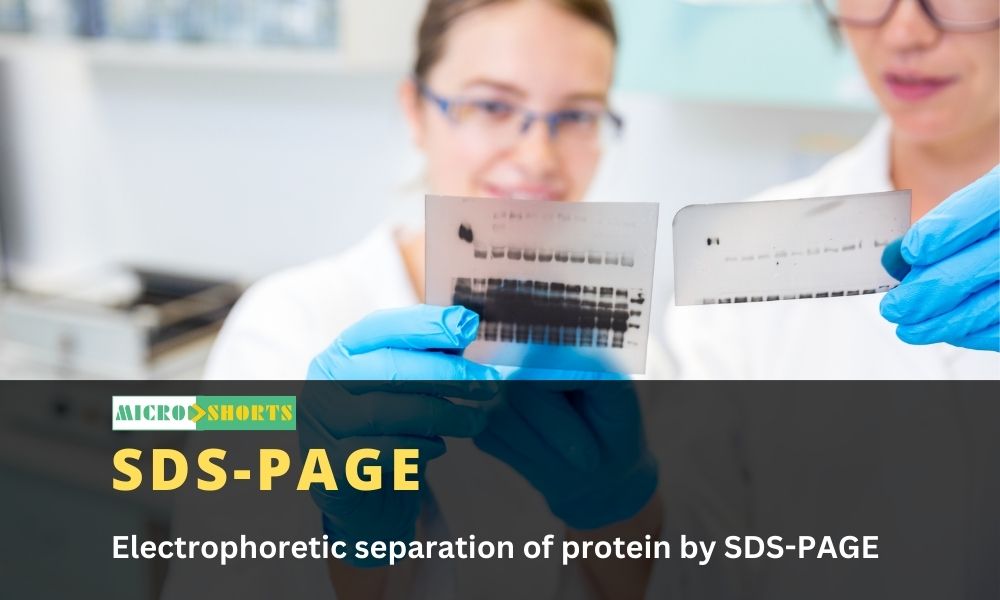
Electrophoretic separation of protein by SDS-PAGE
IntroductionElectrophoresis is the process of migration of charged molecules in response to an electric field. The rate of migration depends...

RT-PCR: Definition, Principle, Enzymes, Types, Steps, Uses
Polymerase chain reaction (PCR) is a temperature-dependent nucleic acid amplification technique used to amplify the DNA or&nb...
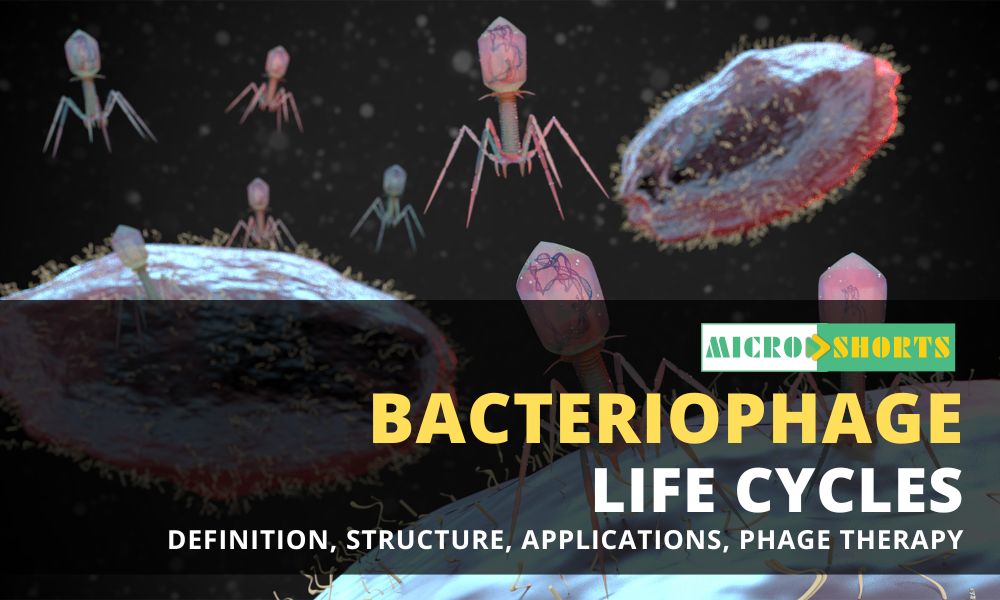
Bacteriophage- Definition, Structure, Life Cycles, Applications, Phage Therapy
Bacteriophage Bacteriophage or Phage is a virus that infects and replicates only within the body of bacteria. Bacteriophages were discovered...
Discussion
Comments
Please log in to join the discussion.
Login to commentNo comments yet. Be the first to start the discussion.