
Practice question
Question
Species occupying narrow niches are:
Explanation
Specialists occupy narrow ecological niches, using a restricted range of resources, environmental conditions, hosts, or habitats. Their morphology, physiology, or behavior may be highly efficient within that limited domain—for example, an insect dependent on one host plant or a predator adapted to a particular prey type. This specialization can reduce competition and improve performance when the focal resource is reliable. It also creates vulnerability: habitat alteration, climate shifts, disease of the host, or loss of a key resource leaves few alternatives. Generalists, by contrast, tolerate broader conditions or consume diverse resources, often allowing them to persist in variable or disturbed environments, though they may be less efficient than specialists in any single context. “Competitor” and “mutualist” describe interaction roles, not niche breadth; either specialists or generalists can participate in those interactions. Niche width is multidimensional, so a species may specialize on food while tolerating broad climatic conditions. Classification should therefore specify the niche axis being considered rather than treating specialization as an absolute property.
Related blogs
Guides and insights connected to this topic

Biodiversity and Conservation Biology Notes - Levels, Patterns, Loss, Conservation, Hotspots and Protected Areas
Learn about biodiversity levels, patterns, loss, conservation strategies, hotspots and protected areas, with examples from India.

Organisms and Populations Biology Notes - Ecology, Abiotic Factors, Adaptations, Population Growth and Interactions
Covers organismal ecology, abiotic factors, adaptations, population growth and species interactions.
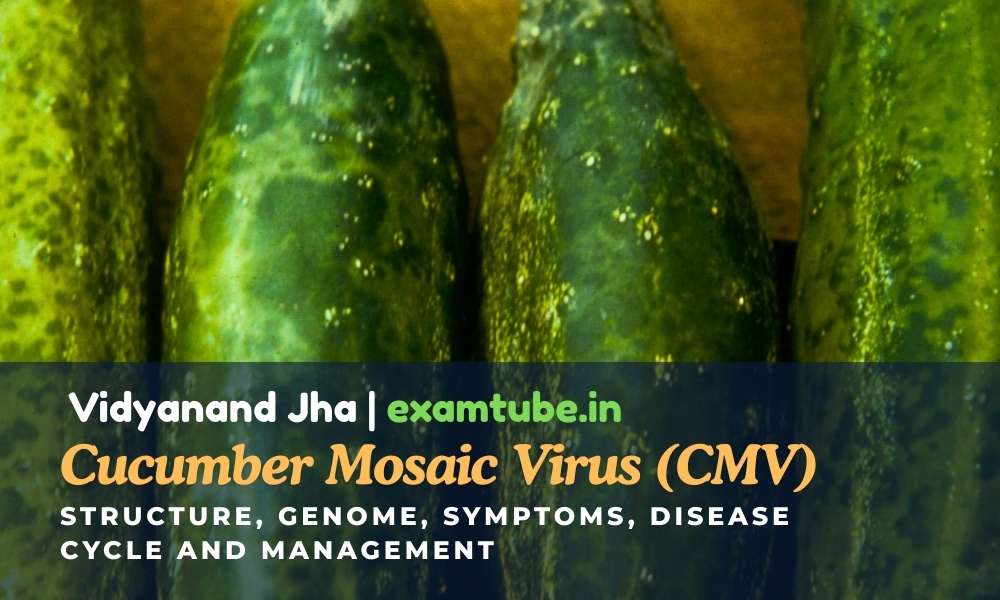
Cucumber Mosaic Virus (CMV): Structure, Genome, Symptoms, Disease Cycle and Management
Cucumber Mosaic Virus (CMV): Introduction and Importance Cucumber Mosaic Virus (CMV) (plant-infecting RNA virus) is one of the most economic...
Discussion
Comments
Please log in to join the discussion.
Login to commentNo comments yet. Be the first to start the discussion.