
Practice question
Question
RAPD markers are generally:
Explanation
Random Amplified Polymorphic DNA employs single decamer arbitrary primers to amplify random genomic segments without prior sequence information using low stringency PCR annealing at 36°C. Amplified fragments present as bands indicate primer binding sites present in both orientations within amplifiable distance; absence indicates sequence divergence or insertion preventing amplification. Since technique detects presence versus absence of dominant allele but cannot distinguish heterozygous Aa from homozygous dominant AA, both produce band, it behaves as dominant marker with 3:1 segregation. Moreover, RAPD is sensitive to template quality, primer concentration, MgCl2, Taq polymerase brand, and thermal cycler profile, causing poor reproducibility between labs and faint artifact bands and inconsistent results. Despite advantages of low cost, quick assay, requirement of nanograms of DNA and no prerequisite genomic library, modern breeding has shifted to more robust codominant SSR and SNP markers because RAPD repeatability issues compromise mapping and selection reliability and publication standards. ISSR, AFLP, and SRAP markers share similar limitations as dominant markers, but development of sequence characterized amplified region SCAR markers from RAPD fragments improves reproducibility by converting random fragment into locus specific codominant PCR assay, bridging low cost random approach with reliable sequence based diagnostics for breeding.
Related blogs
Guides and insights connected to this topic

Determination of TOTAL DISSOLVE SOLID (TDS)
IntroductionThe term “solids” is generally used when referring to any material suspended or dissolved in water or wastewater that can be phy...
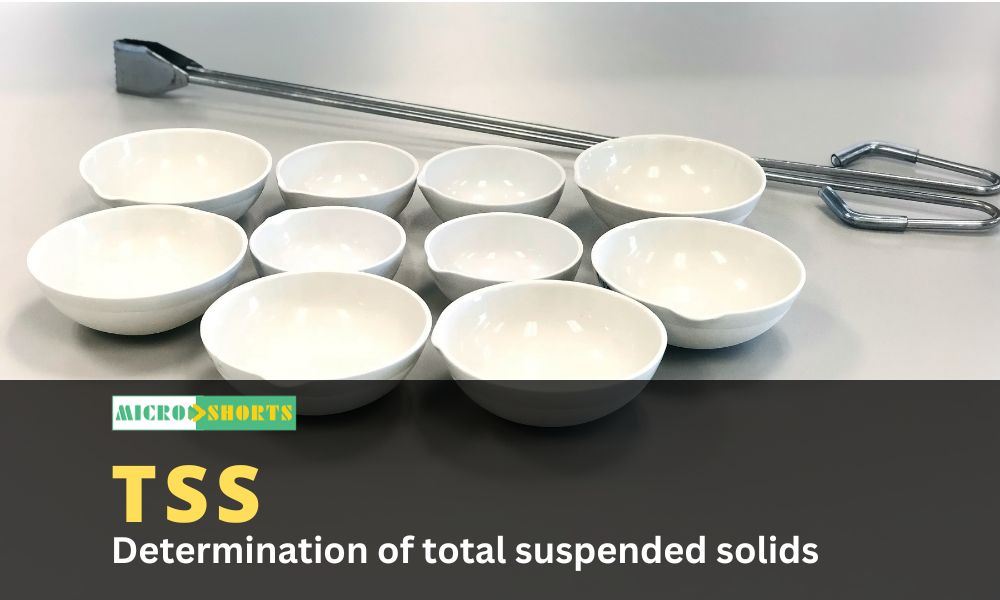
Determination of total suspended solids (TSS)
IntroductionThe term “solids” is generally used when referring to any material suspended or dissolved in water or wastewater that can be phy...

Real-Time PCR: Principle, Process, Markers, Uses
IntroductionReal-Time PCR is a technique used to monitor the progress of a PCR reaction in real-time. At the same time, a relatively small a...
Discussion
Comments
Please log in to join the discussion.
Login to commentNo comments yet. Be the first to start the discussion.