
Practice question
Question
Which mimicry is most likely used by a beetle living among ants and mimicking their appearance?
Explanation
Wasmannian mimicry describes organisms that resemble the social insects within whose nests or colonies they live. Numerous beetles, flies, mites, and other myrmecophiles imitate ant body shape, coloration, movement, or chemical odor, allowing them to avoid aggression and gain access to shelter, food, or brood. Visual resemblance alone may be insufficient because ants rely strongly on cuticular hydrocarbons; some associates biosynthesize, acquire, or otherwise imitate the colony’s recognition chemicals. This colony-associated deception distinguishes Wasmannian mimicry from Batesian mimicry, in which an undefended species resembles a defended model to deter predators. Müllerian mimicry involves multiple genuinely defended species converging on a common warning signal, whereas Mertensian mimicry concerns convergence involving a highly dangerous species and less dangerous models under a particular predator-learning scenario. A beetle living among ants is therefore classified by the ecological setting and benefit of resembling its host society, not simply by superficial similarity between two unrelated species.
Related blogs
Guides and insights connected to this topic
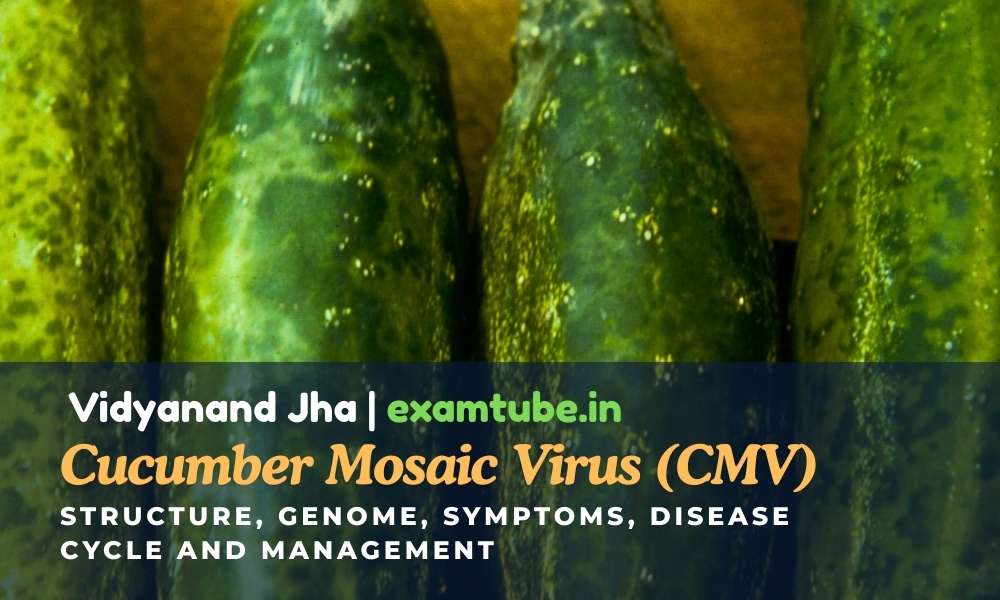
Cucumber Mosaic Virus (CMV): Structure, Genome, Symptoms, Disease Cycle and Management
Cucumber Mosaic Virus (CMV): Introduction and Importance Cucumber Mosaic Virus (CMV) (plant-infecting RNA virus) is one of the most economic...

Membrane Proteins: Structure, Types, Functions
Lipids and proteins are the major components of most plasma membranes. They account for approximately 50-50% each by weight. The carbohydrat...

How Covishield cause Heart Attack?
IntroductionThe SARS-CoV-2 pandemic has been one of the most significant global health crises in human history. While numerous therapeutic s...

Discussion
Comments
Please log in to join the discussion.
Login to commentNo comments yet. Be the first to start the discussion.