
Practice question
Question
The Braun’s lipoprotein (BLP) in Gram-negative bacteria serves to:
Explanation
Gram negative envelope integrity depends on covalent linkage between outer membrane and peptidoglycan preventing blebbing and leakage. Braun's lipoprotein Lpp 58 amino acid mature after signal peptidase II lipid modification N acyl S diacylglycerol cysteine anchoring into inner leaflet outer membrane plus third acyl chain, most abundant protein about seven times ten to five copies per cell. C terminal lysine forms peptide bond to meso diaminopimelic acid of peptidoglycan tetrapeptide via LD transpeptidases LdtA B C catalyzing attachment post export. Two thirds of Lpp exist bound form linking layers, one third free form. Periplasmic distance regulated by Lpp length; mutants lengthening Lpp increase periplasm width affecting division. Lpp interacts with OmpA noncovalently stabilizing envelope. Disruption causes hypersensitivity to detergents hydrophobic antibiotics, increased outer membrane vesicle release, activated sigma E stress response. Therefore Braun's lipoprotein serves to attach outer membrane to peptidoglycan acting molecular staple maintaining envelope mechanical coupling, not as enzyme synthesizing peptidoglycan, facilitating folding, or directly blocking antibiotic entry though indirectly supports barrier function.
Related blogs
Guides and insights connected to this topic
Plant Cell Structure and Organelles: Definition, Diagram, Functions
Learn what defines a plant cell, how it differs from an animal cell, and the structure and functions of its 14 major organelles with clear explanations and diagrams.
Animal Cell Structure, Diagram and Organelles – Definition, Types, Functions
Learn what defines an animal cell, its organelles, and how they differ from plant cells. Includes diagrams and clear explanations of cell structure and functions.
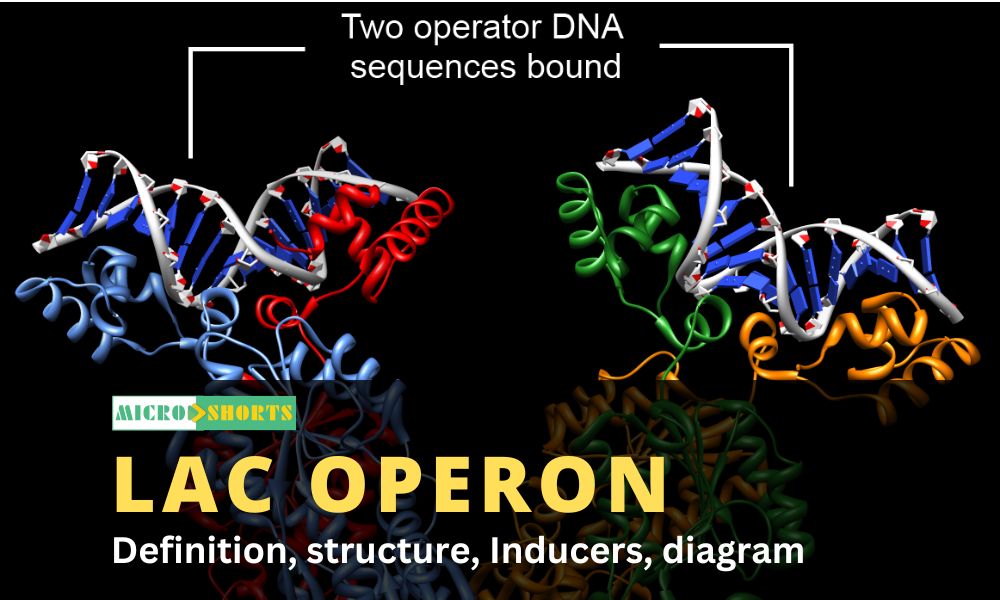
Lac operon- Definition, structure, Inducers, diagram
Lac operon definition The lactose or lac operon of Escherichia coli is a cluster of three structural genes encoding proteins invol...

Discussion
Comments
Please log in to join the discussion.
Login to commentNo comments yet. Be the first to start the discussion.